Pakistan Grapples with Record Fuel Price Surge of Up to 54%
Pakistanis are confronting an unprecedented fuel price increase, with petrol and diesel costs rising by as much as 54%, as global oil prices spike due to ongoing conflict in the Middle East. This sharp hike places additional strain on a nation already struggling with high inflation, with economists warning it will drive up food prices and daily living expenses.
Government Response and Subsidy Plans
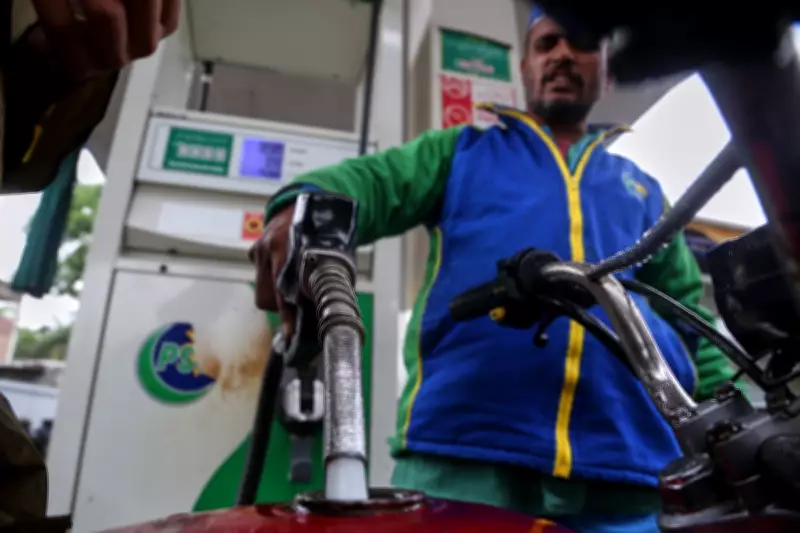
Pakistan's Petroleum Minister, Pervez Malik, stated late Thursday that the increase was "unavoidable", citing global market trends. The government raised petrol prices by 137 rupees (49 cents) per liter, following a 20% increase last month, while diesel prices increased overnight by 184.49 rupees (67 cents) per liter, marking a rise of approximately 54.9%. Malik emphasized that these adjustments were "necessary and unavoidable" and announced plans to subsidize fuel for motorcyclists, though details of the mechanism remain pending. Motorcycles dominate Pakistan's roads, accounting for nearly 78% of all vehicles, as they are among the most affordable commuting options.
Public Transport Measures and Economic Context
In response to the crisis, Interior Minister Mohsin Naqvi declared that public transport in Islamabad will be free for 30 days starting Saturday, with the ministry covering fuel costs, following the prime minister's instructions. Pakistan has recently utilized alternate oil routes due to the closure of the Strait of Hormuz. Prime Minister Shehbaz Sharif highlighted that regional instability has impacted Pakistan's fragile economy, with the government pursuing diplomatic efforts to ease tensions and host peace talks, though no dates have been set.

Immediate Impact on Citizens and Daily Life
The fuel price surge has had an immediate effect on households and commuters, who are bracing for higher transportation and living costs. Across major cities on Friday, fuel stations were unusually quiet, and traffic was lighter as many people stayed home to avoid the increased expenses. Commuters expressed frustration, with Mohammad Zain Alvi in Islamabad noting, "Life was already very difficult for us, and now everything will become more expensive." Azhar Ali, a government employee commuting from Rawalpindi to Islamabad, questioned, "Why are we being made to pay for it? This will affect everything — transport, food, our entire lives."
Economic Warnings and Future Outlook
Prominent economist Jabran Sarfraz from Karachi warned that the burden will fall heavily on consumers, with higher fuel prices raising the cost of daily necessities and disproportionately affecting lower-income groups. He noted that the duration of this impact depends on how quickly global oil prices stabilize. In Peshawar, motorcycle rider Sher Khan, who delivers food, expressed uncertainty about continuing work, stating, "I earn so little for each ride, and now most of it will go into fuel." The situation underscores the broader economic challenges facing Pakistan as it navigates global market volatility and domestic inflationary pressures.