Oil Prices Plummet as Iran Reopens Strait of Hormuz, Easing Global Supply Fears
Oil Prices Fall as Iran Reopens Strait of Hormuz

Global oil prices experienced a significant decline following Iran's announcement that the Strait of Hormuz is now "completely open" to commercial shipping. This development comes as a major relief to energy markets, which have been strained since the US-Israeli bombing campaign effectively closed the vital oil and gas route in late February.

Market Reaction and Economic Impact

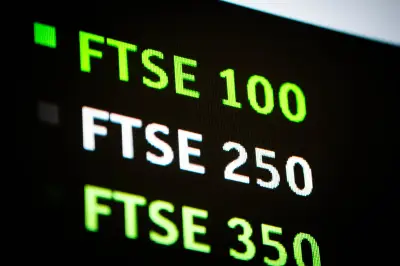
The news triggered immediate market movements, with Brent crude falling more than 10% to just over 89 US dollars per barrel during Friday afternoon trading. European stock markets responded positively to the prospect of increased oil supply, with the FTSE 100 index rising 0.6% to 10,656 points. Germany's Dax surged by 2%, while France's Cac 40 increased by 1.7%.

Diplomatic Efforts in Paris

Simultaneously, Prime Minister Sir Keir Starmer and French President Emmanuel Macron hosted crucial talks in Paris aimed at safeguarding the flow of trade through this strategic maritime chokepoint once hostilities in the Middle East conclude. The meeting at the Elysee Palace brought together representatives from 40 countries and the International Maritime Organisation to formulate plans for a multinational mission protecting freedom of navigation.

Wide Pickt banner — collaborative shopping lists app for Telegram, phone mockup with grocery list

Sir Keir, accompanied by Foreign Secretary Yvette Cooper and Chief of the Defence Staff Sir Richard Knighton, emphasized the importance of building "a coalition of countries around the principle that the ceasefire should be permanent, there should be a deal, and that the Strait of Hormuz is open." He called for a "multinational initiative to protect freedom of navigation" and stressed the need to "reassure commercial shipping and support mine clearance operations to ensure a return to global stability and security."

Iran's Announcement and Regional Context

Iran's foreign minister Abbas Araghchi stated: "In line with the ceasefire in Lebanon, the passage for all commercial vessels through Strait of Hormuz is declared completely open for the remaining period of ceasefire, on the coordinated route as already announced by Ports and Maritime Organisation of the Islamic Rep. of Iran." This announcement was welcomed by US President Donald Trump, who noted Tehran had declared the "strait of Iran" is "fully open and ready for full passage."

The regional context remains delicate, with the US and Iran maintaining a fragile truce scheduled to last until April 22, while Israel and Lebanon have begun a 10-day ceasefire. However, the Paris talks notably excluded participation from the US, Israel, or Iran themselves.

Future Planning and Security Concerns

The diplomatic discussions in Paris will be followed by a multinational military planning summit at the UK's permanent joint headquarters in Northwood, north-west London, next week. Despite these preparations, it remains highly unlikely that participating countries will deploy ships to the Strait of Hormuz until the war concludes completely. Such deployments are considered too dangerous due to the risk of attacks from Iran's shoreline.

Sir Keir pledged to do "everything I can" to reopen the route through these international efforts. The Prime Minister and President Macron met in the courtyard of the Elysee Palace, where they exchanged warm handshakes and posed for photographs before the crucial discussions began.

Pickt after-article banner — collaborative shopping lists app with family illustration