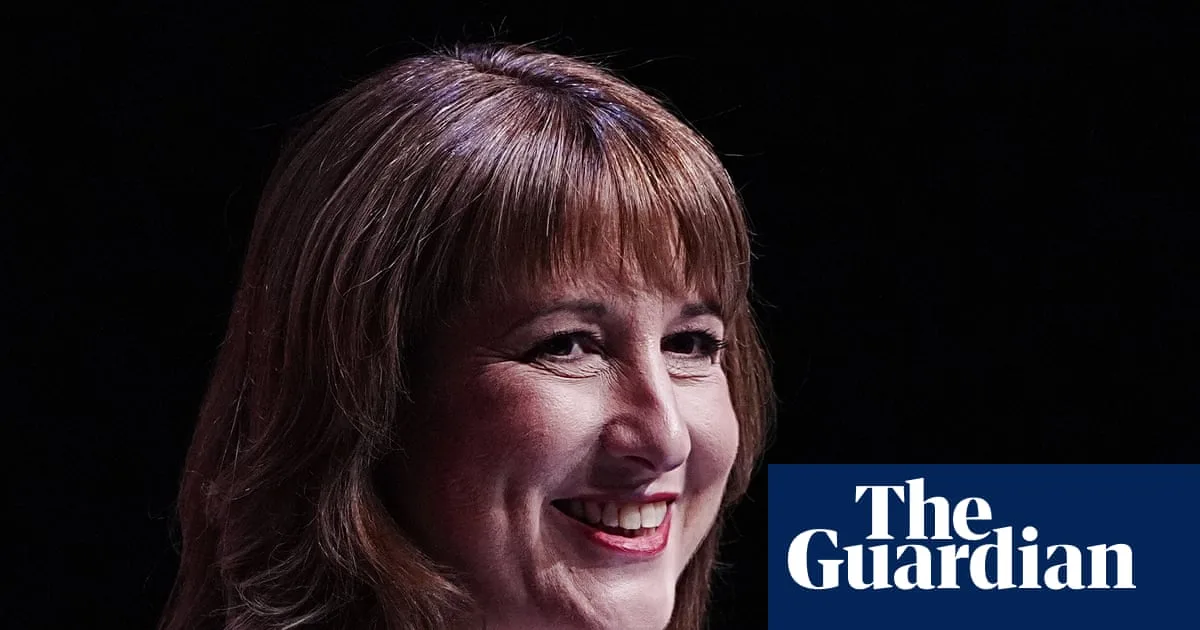
Chancellor Rachel Reeves is aiming to reduce the influence of the Office for Budget Responsibility (OBR) as she prepares for a challenging second budget on 26 November. The independent forecaster's recent reassessment of productivity growth has left her with significantly less fiscal headroom, forcing her to consider tax increases and welfare cuts.
The OBR, established in 2010 to prevent political manipulation of economic forecasts, has become a powerful force in UK fiscal policy. Its projections of evaporating headroom prompted Reeves to announce welfare cuts in March, and its revised productivity assumptions now threaten to put public finances between £10bn and £30bn adrift of March forecasts.
To avoid being constrained by the OBR in 2026, Reeves is exploring two options: accumulating more headroom against her fiscal rules to reduce the impact of each £1bn shift, and downgrading the status of the OBR's spring forecast. She has endorsed an IMF recommendation for a single major fiscal event per year, with the spring forecast becoming indicative rather than binding.
However, OBR chair Richard Hughes has pushed back, warning that reducing forecasts to one a year would make the UK one of the least fiscally transparent countries in Europe. He noted that the government already has the option to let fiscal rule breaches 'ride' until the autumn, without needing to change the forecasting schedule.
Tensions between the Treasury and the OBR have spilled into the open, with Reeves publicly calling on the watchdog to include pro-growth government policies in its projections. Some Labour backbenchers, including former minister Louise Haigh, have expressed concern about the OBR's 'unelected' influence on policy.