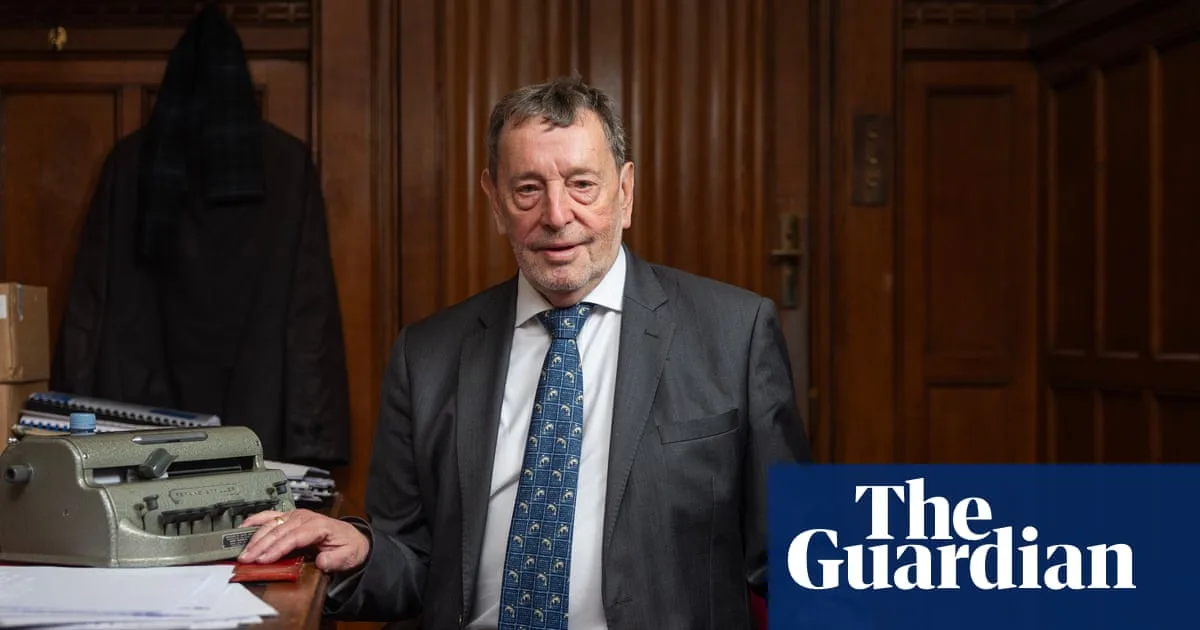
Former education secretary David Blunkett has called on ministers to handle changes to the special educational needs and disabilities (Send) system in England with “incredible sensitivity”. Speaking about the government’s upcoming reforms, Blunkett, who attended a residential school for blind children, stressed the need to reassure parents that education, health and care plans (EHCPs) will be replaced with a “meaningful alternative”.
Blunkett expressed sympathy for education secretary Bridget Phillipson, acknowledging that the reform process would be a “bumpy road”. He noted that the government had already invested an additional billion pounds in Send provision, but said that “nobody noticed”. He urged the government to “reduce the fear of change”.
Labour MP Helen Hayes, chair of the Commons education select committee, called on Downing Street to commit to retaining EHCPs, arguing they are essential to combat mistrust among families. She said the current system is “failing so many children and families” and that parents have “so little trust and confidence” in it.
A letter to the Guardian, signed by dozens of charities and campaigners, warned against restricting or abolishing EHCPs. Downing Street has refused to rule out ending the plans, but a deputy spokesperson said the government wants to “actively work with parents, families, parliamentarians to make sure we get this right”.
Phillipson told the Commons that there would “always be a legal right to additional support” for children with Send needs, alongside “a better system with strengthened support, improved access and more funding”. Educational psychologist Dr Will Shield warned that limiting EHCPs would be “deeply problematic”, as mainstream schools rely on them for funding and oversight.