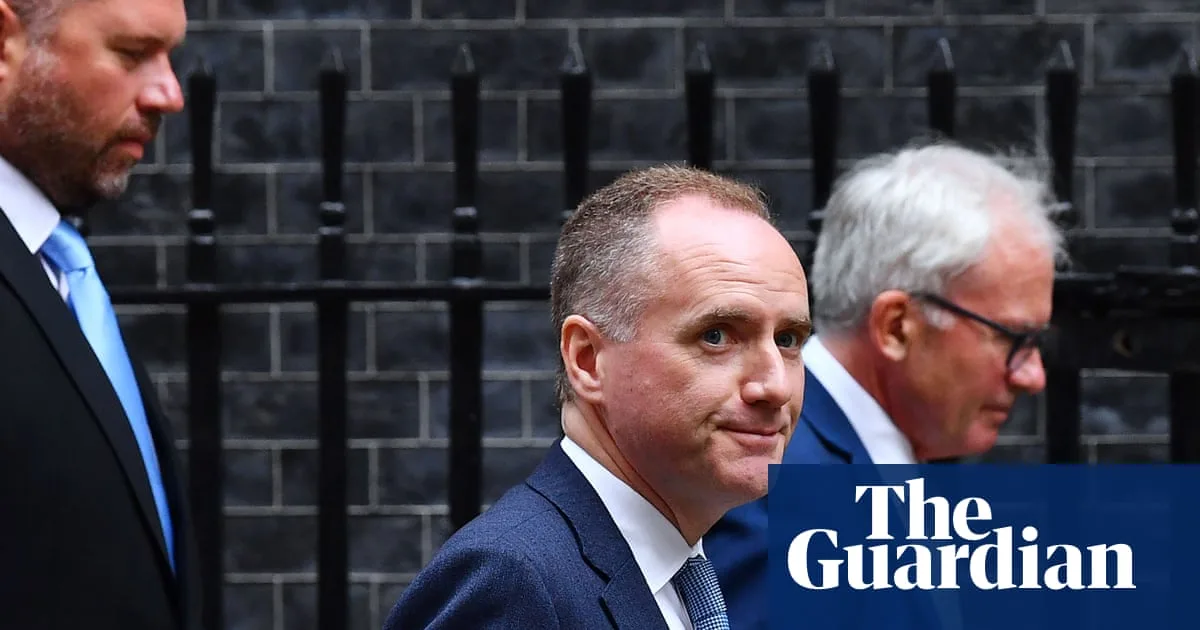
Richard Hughes, chair of the Office for Budget Responsibility, has resigned after an internal inquiry described a leak of budget-sensitive information as the 'worst failure' in the watchdog's history. Hughes said he took 'full responsibility' for the error, which threw Chancellor Rachel Reeves's budget into chaos and sparked days of political recriminations.
Prime Minister Keir Starmer had notably refrained from expressing confidence in Hughes, criticising the OBR for a 'serious error' that he said breached market-sensitive information and was a 'massive discourtesy' to Parliament. While ministers hope the resignation will ease tensions, Reeves remains under pressure from opposition leaders who accuse her of misleading the public over the state of public finances to justify tax rises.
Conservative leader Kemi Badenoch said: 'Someone has resigned as a result of the budget chaos … but it isn't Rachel Reeves. The chancellor is trying to use the chair of the OBR as her human shield.' SNP deputy leader Pete Wishart echoed the call for Reeves to resign, but government insiders rejected any link between the leak and the chancellor's budget decisions.
In a major speech setting out the government's economic plans, Starmer attempted to shore up Reeves's position, insisting there was no misleading over fiscal forecasts. He acknowledged that the government had considered a 'manifesto breach' but ultimately avoided it, and defended the budget as 'the right steps for our country'.
Starmer also outlined plans for closer ties with the European Union and welfare reform, admitting the path ahead requires 'many more decisions that are not cost-free'. The OBR's internal investigation, led by former National Cyber Security Centre chief Ciaran Martin, concluded that the leak was the worst failure in the institution's history.