Leon Founder Accuses Labour of Destroying Restaurant Sector
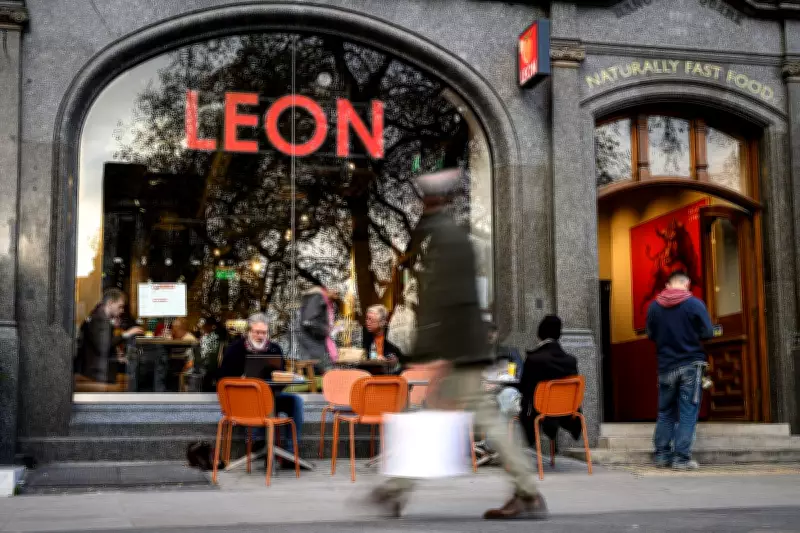
John Vincent, the co-founder of the popular restaurant chain Leon, has launched a scathing attack on the Labour government, claiming its policies are systematically destroying the UK's restaurant industry. In a stark warning, Vincent declared that "everyone knows restaurants are done" and placed the blame squarely on political decisions rather than market forces.
Insolvency Crisis Grips Hospitality Sector
Official insolvency figures reveal a devastating trend with more than 1,000 restaurants closing their doors permanently each year. Many additional establishments are believed to be technically insolvent, barely surviving from month to month. The crisis extends beyond restaurants to include pubs and other hospitality venues facing similar existential threats.
The British Retail Consortium has quantified the damage, calculating that increased National Insurance contributions combined with minimum wage hikes have added approximately £5 billion annually to the sector's operating costs. This financial burden has directly harmed investment capabilities, reduced pay awards for employees, and curtailed employment opportunities across the industry.

Quadruple Whammy of Cost Increases
Hospitality businesses face what Vincent describes as a "quadruple whammy" of escalating expenses. Employers must contend with simultaneous rises in the minimum wage, the national living wage, National Insurance contributions, and pension auto-enrolment requirements. These mandated costs have arrived during a period when many restaurants were already operating on razor-thin profit margins.
Philip Shaw, an analyst at City bank Investec, explained the disproportionate impact: "Firms in the restaurant and retail sectors, which are more dependent on staff on below average wage rates and part-time workers, have been particularly badly hit by the structure of the NICs hike."
Fuel Costs Compound the Crisis
The situation has been further exacerbated by rising fuel costs for cooking and lighting, which have increased significantly due to geopolitical tensions including the Iran conflict. Restaurants and pubs, as heavy energy consumers, find themselves caught between rising staff costs and escalating operational expenses, creating an unsustainable business model for many establishments.
Vincent, who returned as Leon's chief executive last year, has personally overseen the closure of more than 20 restaurants as part of a restructuring effort. He revealed that conversations with competitors confirm the industry-wide nature of the crisis, stating that other major restaurant operators share his pessimistic assessment of the sector's future.
Government Stands Firm on Policies
The Labour government has remained steadfast in its commitment to the controversial policies, dismissing calls for reversal. Government representatives have framed the measures as essential components of their manifesto commitments to young workers and broader social justice initiatives.
From April, the National Living Wage for workers aged 21 and over increased to £12.71 per hour, representing a 4.1 percent rise. This follows previous increases that have substantially raised the baseline cost of employment across the hospitality industry.
Meanwhile, the retail sector faces parallel challenges with Marks & Spencer calling for action against "brazen, organised, aggressive" shoplifting that has left both staff and customers fearful. Retail violence and abuse incidents continue to rise, with more than 1,600 retail workers facing such incidents daily according to industry reports.
The government has been approached for comment regarding the restaurant industry crisis but has yet to provide a detailed response to Vincent's allegations. As closures continue to mount, the debate over balancing worker protections with business viability intensifies, with no immediate resolution in sight for Britain's struggling hospitality sector.