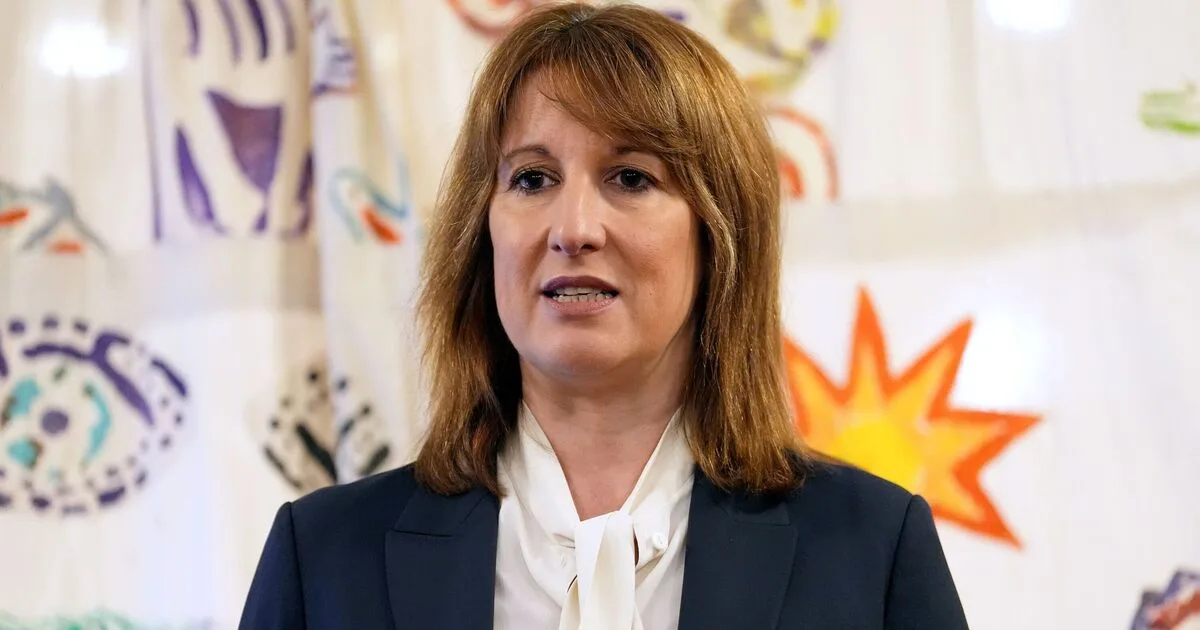
Rachel Reeves's decision to extend the freeze on income tax and national insurance thresholds until 2031 will leave millions of workers hundreds of pounds worse off, according to a new analysis by the Centre for Policy Studies (CPS). The think tank warned that the 'stealth tax' would drag more people into higher tax bands as wages rise, effectively reducing take-home pay in real terms.
Under current forecasts, someone earning £50,000 today would be £505 poorer in real terms by 2030-31, despite their salary increasing by more than £6,000 over the same period. The CPS said that while workers face a squeeze, pensioners and benefit recipients are set to see their incomes rise, thanks to the triple lock and inflation-linked increases to universal credit.
Daniel Herring, CPS head of economic and fiscal policy, said: 'Labour's tax policy is quietly hammering workers while protecting pensioners and benefit recipients. Freezing the personal allowance for income tax will hit everyone, but it's those who are dragged into higher tax bands who will really suffer, to the point where a worker on £50,000 today is set to actually be poorer in five years' time, despite getting pay rises.'
The Conservatives seized on the findings, with Shadow Chancellor Sir Mel Stride accusing Labour of a 'stealth tax raid' that takes money from workers' pay packets to fund extra welfare spending. He said: 'At her first Budget Rachel Reeves said freezing tax thresholds would hurt working people. At her second budget, she froze thresholds for three years. Labour don't have the backbone to control spending, and hardworking people are paying the price.'
A Treasury spokesman defended the measures, noting that the Budget also increased the national living wage, cut energy bills by £150, and froze prescription charges, fuel duty, and rail fares. 'The fair and necessary decisions we made at the budget mean we can deliver on the country's priorities – cut waiting lists, cut debt and borrowing and cut the cost of living,' the spokesman said.
The CPS analysis, based on Office for Budget Responsibility forecasts, concluded that a combination of poor wage growth and frozen thresholds means many workers will be worse off by 2030, contrasting sharply with state pensioners and benefit claimants who are protected from real-terms losses.