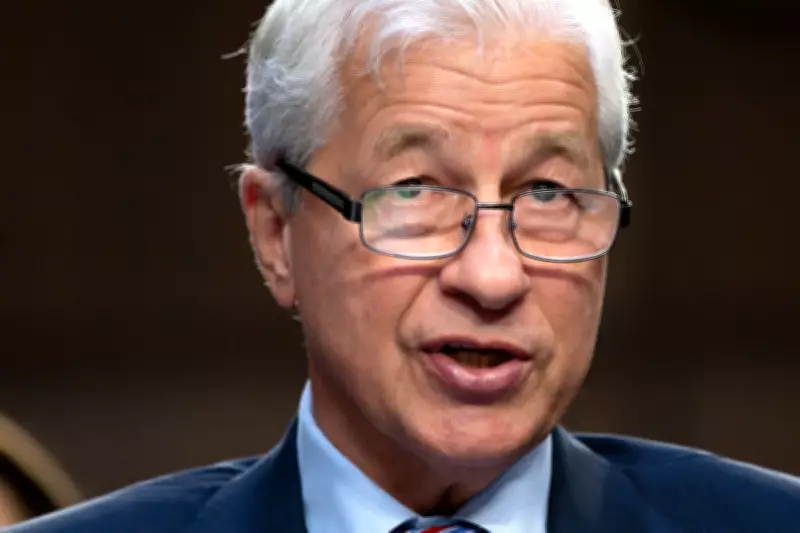
Jamie Dimon, the Chief Executive Officer of JPMorgan Chase, has issued a stark warning that the world is poised to face "significant" interest rate shocks as a direct consequence of Donald Trump's escalating war on Iran. In his annual letter to shareholders of the world's largest bank, Dimon highlighted the severe economic repercussions that could unfold from the ongoing geopolitical tensions.
Spiralling Energy Prices and Inflationary Pressures
Dimon pointed to Iran's blockade of the Strait of Hormuz and its attacks on critical energy infrastructure as key drivers behind spiralling oil and gas prices. He emphasised that these rising costs would lead to "stickier" inflation, making it more persistent and difficult to control. This inflationary pressure, he argued, would force central banks to respond with higher interest rates to curb economic overheating.
Impact on Borrowing and Economic Growth
The JPMorgan CEO detailed that higher interest rates would result in more costly borrowing for individuals, businesses, and governments. This includes increased expenses for loans, mortgages, and public debt, which could stifle economic growth and disrupt global supply chains. Dimon warned that such financial strain might lead to lower investment, reduced consumer spending, and potential job losses, creating a ripple effect across international markets.

Criticism of Trump's Combative Approach
In his letter, Dimon also appeared to criticise the combative strategy adopted by Donald Trump, suggesting it could weaken democratic institutions and make nations more vulnerable to the whims of "bad actors." He implied that aggressive foreign policies might destabilise global order, exacerbating economic uncertainties and financial volatility.
Bank of England's Stance and Upcoming Decisions
Amidst these warnings, the Bank of England maintained its interest rates at 3.75% last month. Its Monetary Policy Committee is scheduled to meet again on 30 April, with market analysts and economists holding differing expectations on future rate adjustments. Dimon's insights add to the growing debate on how geopolitical events might influence monetary policy decisions in the coming months.
Overall, Jamie Dimon's cautionary message underscores the interconnectedness of global politics and economics, urging stakeholders to prepare for potential financial turbulence as the Iran conflict unfolds.