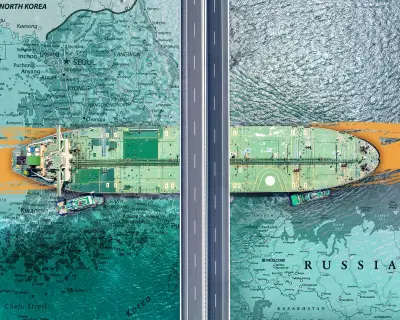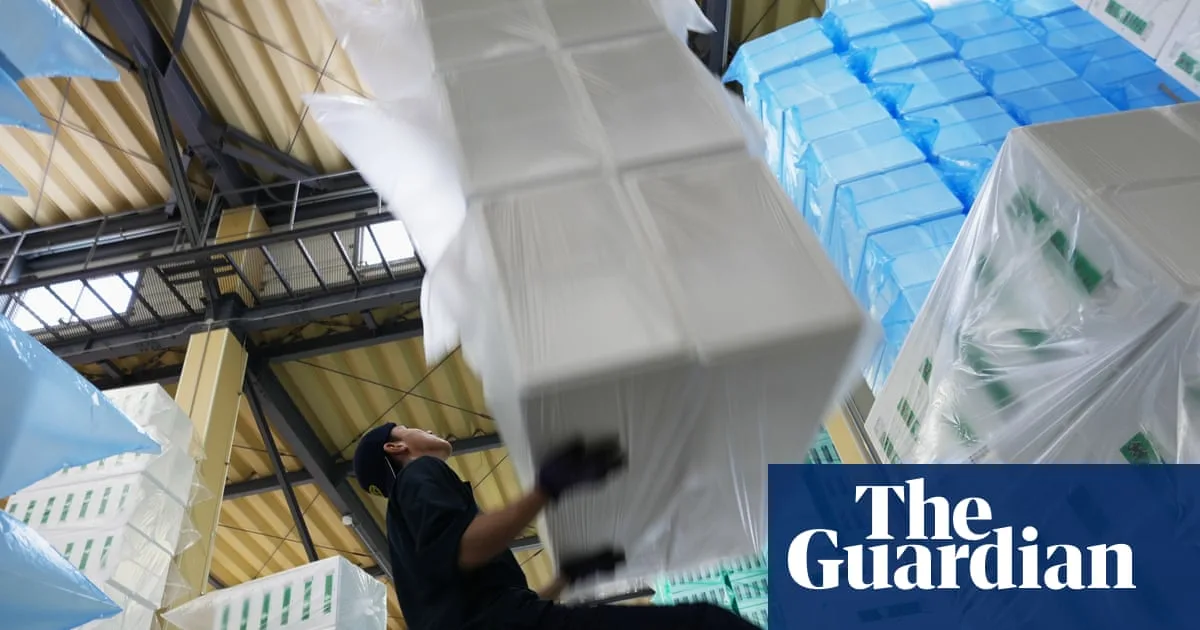
Japan is facing a severe shortage of plastic bags, trays, and food service gloves as the Middle East conflict disrupts supplies of naphtha, a key plastic ingredient. The food sector, which accounts for nearly one-third of Japan's annual plastic use of over 8 million tonnes, has been hit particularly hard, with some outlets offering perks to customers who bring their own containers.
The Middle East is Japan's main source of crude oil, from which naphtha is extracted for making items including printing ink, plastics, adhesives, and medical supplies. Data from the Japan Petrochemical Industry Association shows that production of polyethylene used in shopping and garbage bags fell 62% in March compared with 2025, with similar drops in other plastics.
Prime Minister Sanae Takaichi's government faces mounting pressure over the shortages, which it describes as a supply 'bottleneck' rather than a shortage. However, industry leaders and commentators warn the situation will worsen through June. Opinion polls indicate the public views the issue as one of its most pressing worries.
Retailers have been mandated to charge for plastic shopping bags since 2020, but multiple layers of plastic packaging remain common. At the ColekoVer supermarket in Kawasaki, manager Takeshi Takanohira has asked staff to avoid using individual plastic bags for fruit and vegetables due to rising prices and falling supply. 'Since last month, we haven't been able to get any of the little plastic trays we use for some produce,' he said.
At the Le Main Qui Pense bakery in Tokyo, a sign explains that naphtha shortages have caused a run on plastic bags for baguettes. Co-owner Shisou Tanoshiri noted that plastic gloves for food handling are also in short supply, adding that Japanese people are particular about hygiene and dislike reusing bags that touch food. In Kofu City, the Hinode Delica rewards customers who bring their own plates with free side dishes, after its container supplier announced a 30% price rise in June.
Municipal rubbish collection systems, which rely on designated plastic bags, are also affected, with panic-buying leading stores to restrict sales to two bags per customer. Some municipalities now allow non-approved bags. The shortages extend beyond Japan: South Korea saw a fivefold jump in daily sales of plastic garbage bags in March, while Taiwan, a large per capita user of plastic bags, has experienced up to 40% surges in wholesale plastic prices this year.