Iran Conflict Sparks Economic Fears for UK Households
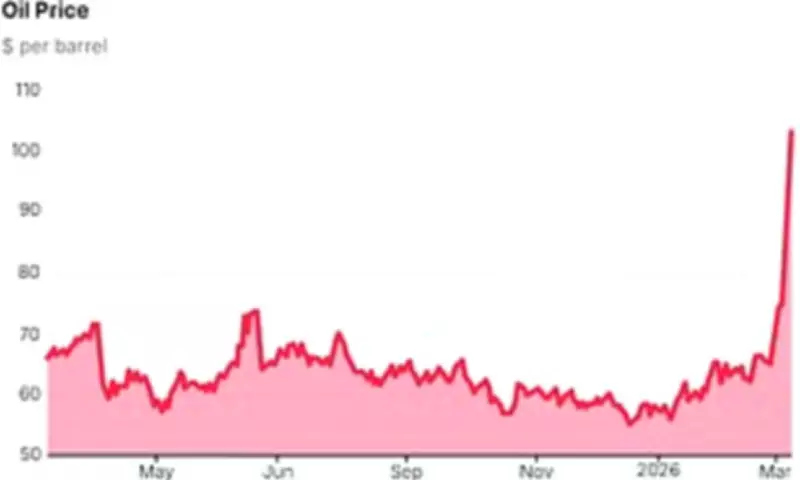
The ongoing military confrontation between Iran and a US-Israel coalition, though geographically distant, is poised to deliver a severe economic blow to British consumers. Experts warn that the fallout from this Middle Eastern crisis could persist for months, driving up costs across essential sectors including energy, transportation, food, and mortgages. The ripple effects are already being felt in global markets, with the FTSE 100 plunging over 100 points at opening and oil prices surging past $100 per barrel.
Petrol Prices Set to Reach Unprecedented Highs
British motorists are bracing for the highest ever pump prices as the conflict disrupts global oil supplies. The price of Brent crude oil has skyrocketed above $100 per barrel, a level not seen in years, following attacks on regional infrastructure and Iran's effective blockade of the Strait of Hormuz. This critical waterway facilitates approximately one-fifth of the world's oil shipments.
Analysts now predict that oil could reach $150 per barrel, which would translate to petrol prices exceeding £2 per litre for the first time in the UK. The current average stands around 140p, with the previous record of 191.4p set in 2022. An emergency G7 meeting has been convened, with Chancellor Rachel Reeves participating in discussions about potential measures, including the release of strategic oil reserves.

Energy Bills Face Upward Pressure Despite Price Cap
Household energy costs are also under threat from the geopolitical turmoil. Octopus Energy, the UK's largest supplier, has already increased fixed-price tariffs and introduced exit fees in response to soaring wholesale gas and oil prices. Chief Executive Greg Jackson confirmed that some cost increases are being passed to fixed-rate customers.
Meanwhile, the number of available fixed deals has more than halved since hostilities began, according to Uswitch data. While most households remain on variable tariffs protected by the Ofgem price cap—which is set to decrease by 7% from April 1—forecasts suggest a potential 10% rise from July. Cornwall Insight analysts project the July-September cap could reach £1,801 annually, a £160 increase, driven primarily by elevated gas prices.
Grocery Costs and Supply Chain Disruptions
Shoppers may soon feel the pinch at supermarket checkouts as the conflict impacts global supply chains. Simon Geale of Proxima warns that prolonged hostilities could transform the situation into a significant household budget concern. Delays and rerouted shipments via the Cape of Good Hope are pushing up insurance and freight costs, potentially leading to product shortages.
Specific items like Asian shrimp, nuts, and dried fruits could become scarcer. Iran, a major exporter of dates, pistachios, walnuts, almonds, and saffron, faces disrupted supply routes that may affect global availability of these products. However, some goods redirected to alternative destinations might see temporary price reductions.
Mortgage Rates Likely to Remain Elevated
Homeowners are facing the prospect of higher borrowing costs as the Bank of England may need to maintain interest rates to combat inflation. Mohamed El-Erian, chief economic adviser at Allianz, explains that anticipated inflation remaining above 3%—rather than falling to 2%—will require higher interest rates to compensate investors.
This scenario means mortgage rates could stay elevated longer than previously expected, affecting those seeking new loans, renewing fixed deals, or on tracker mortgages. Although rates have declined since August 2024 to 3.75%, further cuts now appear less certain due to inflationary pressures from energy price spikes.
Holiday Travel Disrupted and More Expensive
The travel industry is experiencing its worst disruption since the COVID-19 pandemic, according to aviation expert Paul Charles. The Foreign Office advises against all but essential travel to several Gulf states, including the UAE and Qatar, with thousands of flights already cancelled.

Jet fuel prices in North-West Europe have nearly doubled, rising from $830 to $1,500 per tonne since the air strikes began. Travel expert Jane Hawkes warns that airlines may incorporate these increased fuel costs into summer fares, exacerbating seasonal price hikes. While existing bookings should not incur extra surcharges, future travel could become significantly more expensive.
Global Economic Parallels and Political Responses
Financial institutions like ING draw parallels between the current oil market dynamics and the 2022 Russian invasion of Ukraine, highlighting the dependency on how long Iran maintains its Strait of Hormuz blockade. Former US President Donald Trump has downplayed the soaring energy prices, calling them a small price to pay for confronting Tehran.
As Iranian attacks target economic hubs such as Dubai and Doha, and US Defense Secretary Pete Hegseth vows that Iran will surrender, the conflict shows no immediate signs of resolution. The cumulative impact on the UK economy is becoming increasingly severe, with British households set to bear the brunt through multiple financial channels.