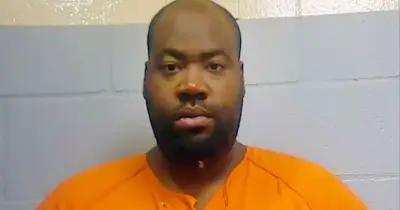
A train conductor was left bloodied and had a tooth knocked out after a passenger punched him in the face for asking to see his ticket. Peter Corley, 62, asked Finley Seggie, 21, and his friend to get off at the next station after they failed to produce valid tickets on a York-bound service. Seggie launched into a verbal tirade before storming towards the conductor and landing a punch square in his mouth.
Peter lost a tooth, faced £3,000 in dental bills, and was ultimately forced to give up his job following the attack on December 14, 2024. Seggie pleaded guilty to actual bodily harm and on May 5 was handed a 16-month suspended sentence at Leeds Crown Court.
The grandfather-of-one, from York, said: 'It was very shocking. It was a very hard punch. I'm sure he's done some boxing training, but he hasn't learned the responsibility that goes with it.' He added: 'As a ticket inspector you know there are 2% of passengers who would deck you, but I really didn't see it coming.'
Peter, a former Lance Corporal in the army and retired custody inspector for West Yorkshire Police, had joined Northern Trains in 2018. He was working the afternoon Leeds to York service when the assault occurred. After being punched, he fell back, hit his head, and was covered in blood. A fellow passenger came to his aid and contacted police.
The assault left Peter without his top-right incisor, requiring a bridge. Northern Trains covered the dental repair bill. However, he left the role in May 2025 due to mental-health difficulties triggered by the attack and now works as a supermarket customer team member and delivery driver.
Seggie was arrested on February 18 after being identified from CCTV footage and charged with ABH. He initially claimed self-defence but later admitted the charge. Peter said: 'I bear no grudge towards him. I am satisfied with the outcome, but I would have preferred to meet him face to face as restorative justice.'