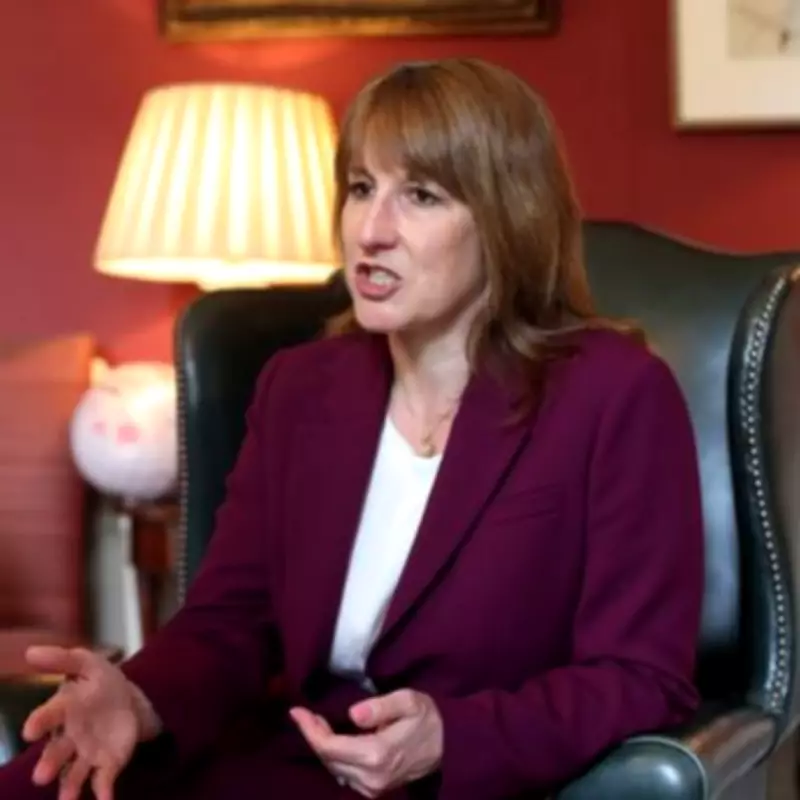
The ongoing conflict in Iran could compel the UK government to borrow an additional £30 billion this year, according to economic experts. The anticipated economic shock from the war signals a challenging year ahead, dealing a blow to Chancellor Rachel Reeves and the Labour government.
Current Borrowing Figures
Data from the Office for National Statistics reveals that government borrowing for the fiscal year ending in March stood at £132 billion, nearly £20 billion less than the previous year. This figure was also £700 million below the forecast by the Office for Budget Responsibility (OBR). However, borrowing in March alone reached £12.6 billion, the lowest for that month since 2022 but still exceeding expectations.
Impact of the Iran War
The economic repercussions of the Iran war, alongside the conflict involving Donald Trump and Israel, have already elevated UK government debt interest payments. Elliott Jordan-Doak, senior UK economist at Pantheon Macroeconomics, commented: “The boost for Ms Reeves will likely prove temporary, with a more daunting 2026/27 ahead.”

While soaring fuel prices have caused distress for motorists, they are expected to generate higher VAT revenues for the Treasury, which may also benefit from windfall taxes on North Sea oil producers. However, these gains could be outweighed by the negative impact on the broader economy, potentially reducing revenues from other taxes.
Employment and Welfare Concerns
Under-pressure businesses are anticipated to cut jobs. Former Bank of England rate-setter Michael Saunders, now at Oxford Economics, warned that UK unemployment could rise by 150,000 this year. Increased unemployment would further strain the welfare budget and reduce income tax receipts.
Another consequence for the Treasury has been higher borrowing costs. The interest rate on UK government bonds recently hit 5% for the first time since 2008, before easing slightly. The government paid £3.2 billion in debt interest in March, £1.3 billion less than a year ago due to lower inflation earlier in the year. However, rising inflation linked to the Iran war suggests this bill will increase.
Expert Warnings
Thomas Pugh, chief economist at RSM UK, stated: “Ultimately, this year’s borrowing could be £30 billion higher than the pre-war OBR forecasts.” He noted that if the borrowing spike is temporary, it may not necessitate further tax increases from Ms Reeves. However, Lindsay James, investment strategist at Quilter, cautioned: “Tax is likely to feature prominently as the lever to pull to help keep the public finances on steady ground, and we have already seen the burden this places on growth.”
James Murray, Chief Secretary to the Treasury, defended the government’s position: “Our deficit is down £19.8 billion because of our plan to cut borrowing. In a volatile world the decisions we are taking are the right ones to keep costs down, take back our energy security and cut borrowing and debt.”
Tax Receipts and Debt Interest
Last April’s increase in employer national insurance contributions boosted tax receipts by 19% to £206.8 billion, the highest since 2022/23. Debt interest costs fell in March but rose over the full year to £97.6 billion, the second highest annual level on record. Jordan-Doak estimated that the government’s interest bill will be £12 billion higher this year than anticipated at the time of the spring statement.