Billionaire Inventor Condemns Labour's Economic Approach as 'Revenge Economics'
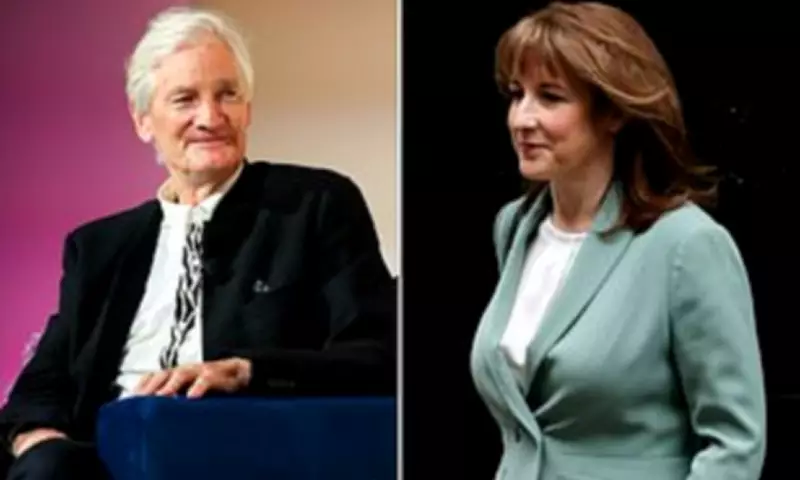
Sir James Dyson has launched a scathing critique of Chancellor Rachel Reeves, branding her policies as 'revenge economics'. The prominent inventor warns that her tax measures targeting farmers and hesitancy over North Sea gas exploration are actively harming Britain's economic stability and national security.
Inheritance Tax Changes Spark Rural Backlash
In an exclusive interview with The Times, Sir James highlighted how Labour's proposed inheritance tax reforms have created significant controversy. Initially, the Chancellor announced that from 2027, farming assets would face a 20 percent inheritance tax rate—a move that generated immediate opposition from Labour MPs representing rural constituencies.
The backlash forced Prime Minister Keir Starmer to modify the policy, increasing the threshold for passing agricultural assets free from inheritance tax from £1 million to £2.5 million. Despite this adjustment, Sir James maintains there is 'no possible justification' for policies that undermine Britain's capacity for self-sufficiency in essential areas.

Energy Policy Criticised as 'Folly'
Sir James directed particular criticism toward Energy Secretary Ed Miliband's approach to domestic energy production. He noted that Labour has been 'incredibly slow' to authorize fracking and North Sea gas drilling while continuing to 'recklessly' purchase energy from international markets.
Currently, Mr Miliband is evaluating approval for the Jackdaw gas project in the North Sea while maintaining opposition to developing the substantial Rosebank oil field. No formal decisions on these projects are anticipated before next month's Scottish elections, pending environmental assessments.
Sir James argued: 'The amount her death tax on family firms generates, which no foreign, private equity or publicly listed business has to pay, will be dwarfed by the loss of income tax and corporation tax as businesses disappear.'Security Implications of Policy Decisions
The billionaire inventor contends that Ms Reeves is 'sacrificing key elements' of Britain's national security to pursue what he describes as a politically motivated attack on business and wealth creation. He pointed to the contrast with the United States, which maintains energy independence, while Britain risks becoming dependent on 'unreliable imports' for both energy and food.
Sir James described Labour's approach as 'folly', particularly given global instability in regions like the Middle East that could disrupt energy supplies. He warned that the combination of tax increases and increasingly restrictive employment regulations would likely drive unemployment higher—already exceeding five percent—while further eroding government tax revenue.
Conservative Alternative Receives Cautious Support
While critical of Labour's policies, Sir James offered measured approval for Conservative leader Kemi Badenoch's proposal to eliminate carbon taxes, calling it a 'step in the right direction'. He questioned the logic of 'boasting about leading the world on renewables' while simultaneously importing carbon at prices determined by other nations, labeling this an 'inefficient and anti-aspiration' energy strategy.
Mounting Pressure on Energy Costs
Sir James's comments emerge as the Chancellor faces growing demands to assist struggling motorists. Recent analysis reveals the government stands to gain an £8 billion windfall from escalating energy prices through multiple revenue streams:
- Increased VAT on fuel purchases
- Levy on North Sea oil and gas profits
- 'Excess profit' taxes imposed on power generators
Despite similar actions by governments in Australia, Spain, and Poland, Ms Reeves continues to reject calls to reduce fuel duty. Meanwhile, surging oil prices have driven diesel above £1.80 per litre and petrol to £1.52, with the Treasury reportedly collecting an additional £20 million daily.

Broader Economic Consequences
Sir James further warned that the Chancellor's approach would 'heartlessly destroy' local farms and businesses through her proposed 40 percent tax measures, even as these enterprises confront rising costs for fuel, fertilizer, and wages. He accused the government of undermining innovative and productive elements essential to securing the nation's future.
The economic pressure extends beyond energy, with millions of Britons facing increased tax burdens as wage growth pushes them into higher tax brackets—a consequence of Ms Reeves's decision to freeze tax thresholds until 2031.
Sir James concluded that Labour has placed 'revenge economics' at the core of their agenda, with damaging repercussions for both the United Kingdom's economy and its long-term security.