Daily Cold Shower May Help Burn Fat, Exciting New Study Suggests
Cold Shower Each Morning Could Help Burn Fat, Study Says

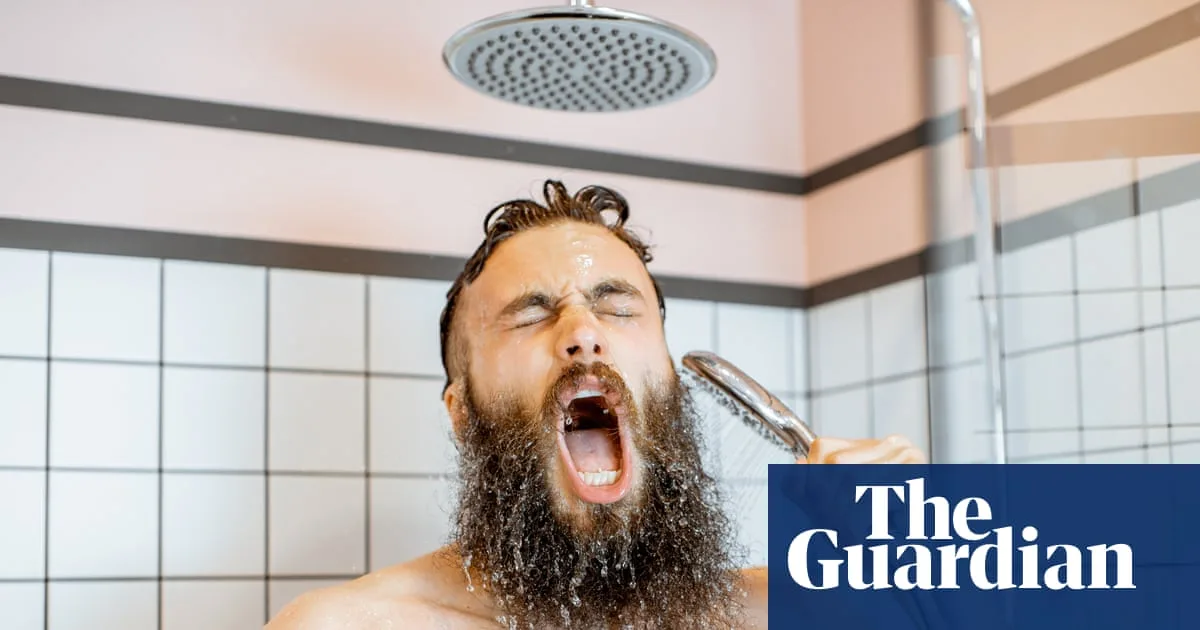
A daily cold shower could help people burn fat, according to scientists. A study has shown that daily cold exposure helped participants lose weight, and researchers believe it activates brown fat, speeding up the rate at which the body burns calories.

Study Details and Findings

Participants who wore a “cooling vest” for a couple of hours each morning had lost fat mass six weeks later, while those who did not wear the vest actually gained weight. The research team is now launching a new trial to see if standing under a cold shower for 90 seconds each morning has the same effect.

Researcher Professor Helen Budge, of Nottingham University, said: “This study is important because it has shown a reduction in fat mass. It is really exciting. Daily cold exposure activates brown fat, which uses body fat stores to produce heat. It is our hypothesis that cold showers and cold swimming could have the same effect.” She added that cold exposure offers another lifestyle choice for people wanting to lose weight and could help with heart disease.

Wide Pickt banner — collaborative shopping lists app for Telegram, phone mockup with grocery list

What Is Brown Fat?

Brown fat, known technically as brown adipose tissue, is a specialised type of body fat that acts as a built-in heater, burning calories to generate heat and maintain body temperature in cold conditions. Unlike white fat that stores energy, brown fat burns energy, making it a key part of our metabolism.

The study comes amid a growing health trend of cold water swimming, and advocates include the Princess of Wales. Kate said previously: “As a family, we are very active. Personally, I love swimming. Cold swimming, the colder [the water] the better.”

The Research Trial

The first real-world study to investigate the effect of cold on weight loss in overweight people was presented at the European Congress on Obesity in Istanbul. Participants wore an “ice vest” every morning for two hours while continuing their daily activities. The gilet-like vests contain pockets for frozen gel-filled ice packs, stored in the fridge or freezer, which cool the core body temperature, and are worn on top of a thin T-shirt. The vests maintain a “comfortable” temperature of 15°C and are already often used by construction workers in the heat or motorcyclists to help stay cool and protect against heat stroke.

The six-week trial of 47 participants saw those who used the cooling vest lose 0.9kg (2lb), made up almost entirely of body fat. The control group not wearing the vest actually put on 0.6kg (1.3lb) on average. While the weight loss was small, experts said it was significant and could not be accounted for by increased exercise, as the participants had their activity levels monitored with fitness trackers.

Upcoming Cold Shower Study

The team, including the Leiden University Medical Center in the Netherlands, is now conducting a separate study of 34 women involving cold showers. Lead researcher Dr Mariëtte Boon, of Leiden University Medical Center, said: “We have asked them to have a cold shower for 90 seconds every morning. They build up to it - you can start with a warm shower, but at the end you put the shower as cold as possible and stand under it for 90 seconds, including your head. The cooling vest has a much longer period of exposure than the shower, but on the other hand the cold shower is much colder. We will have to see if it has an impact on weight loss. We hope people can find a method of cold exposure that works for them and fits into their daily routine.”

The research team is being jointly funded by the British Heart Foundation and the Dutch Heart Foundation to investigate how cold temperatures could reduce obesity, inflammation, and prevent heart disease. Ice baths are traditionally used by high-performance athletes and were a regular activity for Wimbledon tennis champion Andy Murray. Other potential benefits of cold exposure include soothing sore muscles and helping to cope with stress.

Pickt after-article banner — collaborative shopping lists app with family illustration