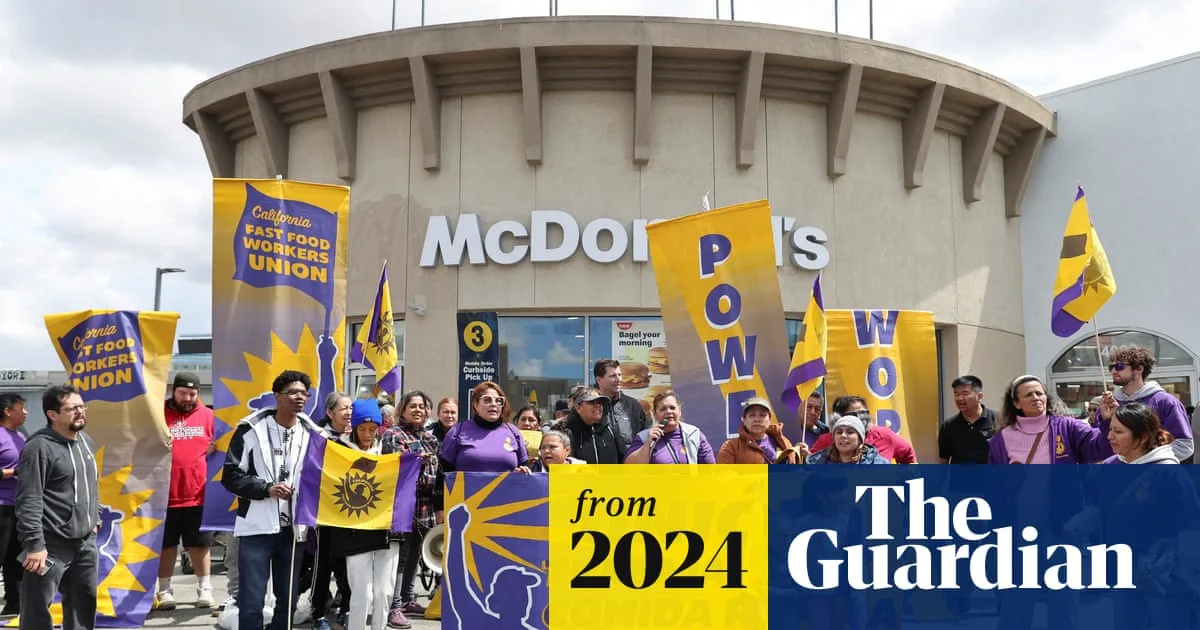
As fast-food workers in California celebrated a hard-fought wage increase to $20 an hour last week, business groups reignited an old economic debate, claiming the rise would lead to reduced hours, layoffs, price hikes, and harm to franchise owners.
"Frontline workers like me organised, went on strike, and fought to pass a historic law that raises our wages and gives us a seat at the table with some of the biggest fast-food corporations in the world," said Anjelica Hernandez, a McDonald's worker in Los Angeles for nearly 20 years. The wage increase, which took effect on 1 April, was a compromise from initial demands of $22 an hour, avoiding a costly ballot initiative.
Two Pizza Hut franchises in California laid off more than 1,000 delivery drivers, citing the wage hike, though Michael Reich of UC Berkeley argued the move was part of a long-term shift towards gig workers. "Previous research has found employment increases as a result of higher minimum wage, lower turnover rates, and easier recruitment and retention," he said.
Critics, including a Wall Street Journal op-ed and a campaign by the Center for Union Facts, have blamed the law for job losses and price rises. However, Tia Koonse of the UCLA Labor Center countered: "Study after study shows that increases to the minimum wage actually have a net gain, producing a stimulus effect as poor workers spend locally, creating jobs."