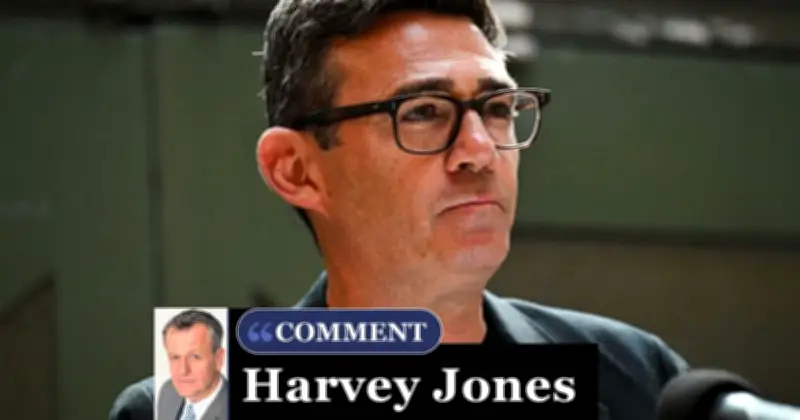
Andy Burnham has been confirmed as the next Prime Minister, but his lucky streak appears to be over. The moment he reached Number 10, harsh economic realities began to close in, threatening to derail his premiership before it has properly begun.
Burnham's Lucky Path to Power
Burnham's ascent has been marked by fortune. As Napoleon Bonaparte once said, luck is "the ability to exploit accidents." Keir Starmer was an accident waiting to happen, and Burnham seized the opportunity. He also benefited from a Labour Party so devoid of talent that no MP or cabinet minister dared to challenge him. The only names in contention were Wes Streeting, Al Carns, and Darren Jones—figures so obscure that many had to double-check their spellings. Burnham had run for Labour's leadership in 2010 and 2015, finishing fourth and then a distant second. This time, he avoided a contest altogether, a move that some see as avoiding the scrutiny of setting out his vision.
A Lack of Mandate and Policy
Burnham's strategy has been to avoid interviews and dodge awkward questions, leaving the country and his own party in the dark about his policies. The only clear intention is to increase spending, a move designed to appease mutinous Labour MPs. However, this approach is becoming untenable. Britain is effectively broke, with national debt approaching £3 trillion—95% of annual output, a threshold that signals danger. Chancellor Rachel Reeves is on track to add another £140 billion to the debt this year. In May alone, the government spent £11.7 billion servicing interest on its debts, money that could have been allocated to defence or other priorities.
The Economic Squeeze Tightens
For a brief period, there was hope that pressure might ease. Gilt yields, which measure the interest rate the UK pays on its debt, had started to decline after Donald Trump claimed to have secured peace in Iran, a move expected to lower oil prices, inflation, and interest rates. But that hope has evaporated. Trump's erratic behaviour has caused gilt yields to jump again; 10-year yields recently touched 5%, a level that makes investors nervous. If yields hit 5.5%, experts warn it could be "game over" for the UK's fiscal stability.
Hard Truths Ahead
Burnham cannot blame Trump for the situation, but he must deal with the consequences. If geopolitical tensions persist, oil prices, inflation, and gilt yields will rise further. Burnham cannot borrow more, spend more, or tax more—the latter risks cutting tax revenues rather than raising them. What he needs to do is deliver hard truths to the deluded Labour Party: a bold plan to cut spending and bring the nation's finances under control before a sterling crisis forces the UK into the hands of the IMF. However, this will be almost impossible without a mandate. His strategy of telling Labour what it wants to hear has worked so far, but the party does not want to hear about austerity. His luck ran out on the very day of his coronation, and his enemies are already lining up to exploit his vulnerability.