More than 12 million people in Britain are living in 'pension poverty', a condition that could worsen if fuel inflation remains high and savers reduce their retirement contributions, according to a major industry report published on Wednesday.
One in three at risk
Scottish Widows' latest Retirement Report reveals that 31 per cent of adults, equivalent to 12.2 million people, face pension poverty. The measure compares likely retirement incomes against essential expenses, with those unable to afford a 'minimum retirement lifestyle' struggling to cover basic needs such as food and fuel.
The figure has fallen from 39 per cent in 2025, but concerns about future deterioration are growing. Scottish Widows argues that simply increasing auto-enrolment contributions could dramatically reduce pension poverty.
Pensioner poverty is typically defined as a household with an annual income 60 per cent below the median after housing costs, which translates to roughly £10,000 for an individual or £17,000 for a couple.
Policy debates intensify
The improvement in this year's data comes amid sweeping reforms to the UK pensions system. Policymakers and industry leaders are debating proposals to boost automatic pension contributions while limiting tax advantages from salary sacrifice schemes.
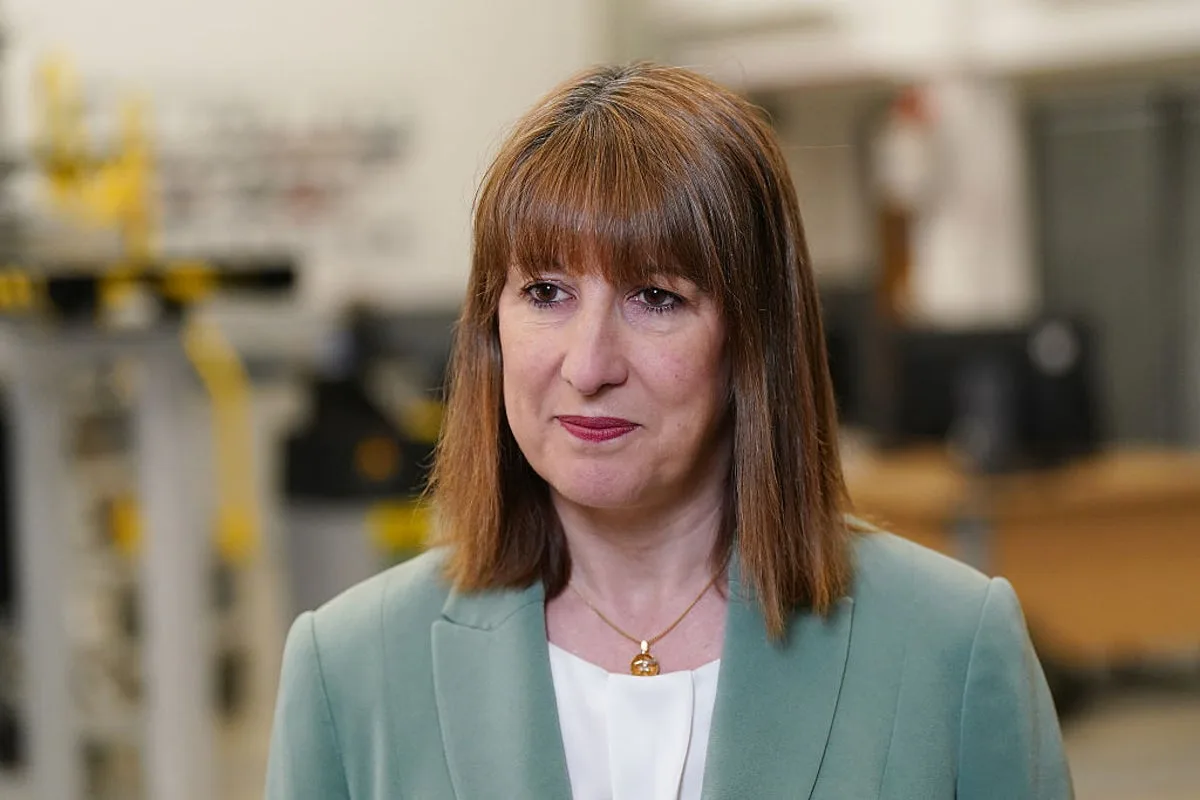
Chancellor Rachel Reeves announced in the Autumn Budget 2025 that the National Insurance relief on salary sacrifice pension contributions will be capped at £2,000 per year from April 2029, a move widely seen as controversial.
Drivers of improvement
Scottish Widows attributed the better retirement projections partly to lower short-term energy costs and rising non-pension savings among some households. More people also expect to own their homes outright by retirement, reducing future housing costs.
Pete Glancy, head of pension policy at Scottish Widows, described the report as 'a step in the right direction' but cautioned that the nation's retirement savings position remains deeply uneven.
'The current state of the nation's savings is still polarised,' he said. 'The factors we can control, like how much we save, can easily be thrown off course by increases in energy and wider living costs.'
Calls for reform
The report adds momentum to calls for reform ahead of recommendations from the government-backed Pension Commission, which is reviewing how to improve retirement outcomes over the coming decades.
Among the proposals backed by Scottish Widows is an increase in minimum auto-enrolment pension contributions from 8 per cent to 12 per cent of earnings. The company estimates this could cut pension poverty from 31 per cent to just 13 per cent among defined contribution savers.
Younger workers would benefit most. Raising contributions to 12 per cent on the first £30,000 of salary could add an average £40,000 to retirement savings pots, with workers aged 22 to 29 potentially building an additional £114,000 by retirement.
Expert views
Patrick Thomson, head of research at Standard Life, said: 'The long-term outlook for saving adequacy remains a serious concern. Without action, the retirement income crisis is expected to worsen over the coming decades to a peak in the 2040s as Gen X, the group with some of the lowest levels of retirement savings, enters retirement.'
He added: 'It is critical that the government sets out a clear plan to improve financial security, particularly for the most vulnerable. Too many people in their late 50s and 60s leave the workforce earlier than planned due to factors such as ill health or caring responsibilities.'
Self-employed and part-time gaps
The report also highlighted significant gaps among self-employed and part-time workers, many of whom remain outside auto-enrolment. Around a third of each group are projected to face below-minimum living standards in retirement.
Scottish Widows called for an 'equivalent of auto-enrolment' for the self-employed, warning that modern working patterns leave large sections of the workforce without adequate retirement provision.
'We must ensure that choosing flexibility today — through self-employment or part-time work — doesn't come at the expense of tomorrow,' Glancy said.
The insurer also urged policymakers to better integrate pensions with other forms of long-term financial planning, including savings, investments and housing wealth, arguing that pensions alone are unlikely to fund the retirement many people expect.
Investor behaviour
Katie Trowsdale, head of multi-asset solutions at Aberdeen, noted a bias among investors toward tangible assets like gold and property. 'But familiarity doesn't equal safety,' she said. 'Rather than chasing what feels safe, investors may be better served by embracing a strategy designed to weather uncertainty.'
She added: 'While we must continue to foster a stronger culture of investing, we also need to recognise that most people don't want to think about their portfolios every day.'