A wealthy cryptocurrency investor is moving forward with plans to establish a semi-autonomous community on the Caribbean island of Nevis, a controversial proposal enabled by new legislation that has ignited fears of creating a "state within a state."
The Vision for a Libertarian 'Destiny'
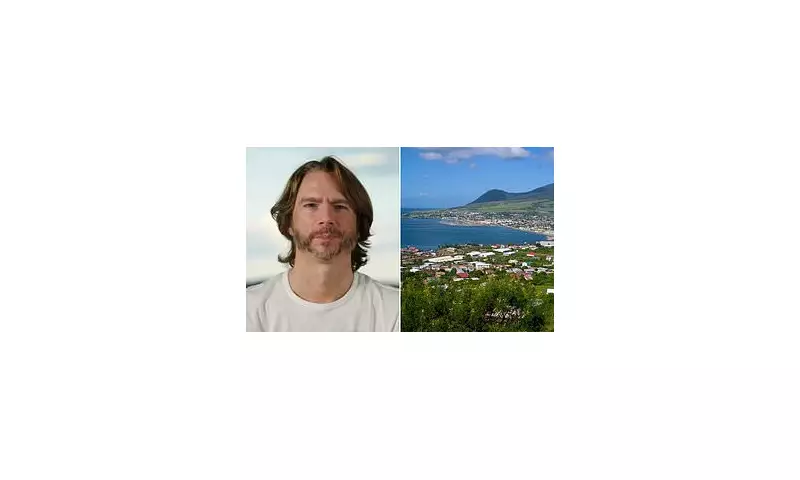
Olivier Janssens, a Belgian-born bitcoin millionaire who also holds Nevisian citizenship, is behind the ambitious multibillion-dollar development named "Destiny." Through his company, South Nevis Ltd, he is acquiring land on the island's southern coastline, a move expected to dramatically reshape the area.
The project became feasible after the government of St Kitts and Nevis passed legislation in the summer of 2025 creating Special Sustainability Zones (SSZs). This law grants developers significant control over large-scale projects, including the authority to establish their own "dispute resolution services and mechanisms"—a clause interpreted as allowing private court systems.

Speaking to local residents via video link in late November, Janssens criticised the existing Nevisian legal framework as inefficient. He argued that for Destiny to attract international investors and residents, it might need to propose its own, more efficient courts for certain matters, while still acknowledging the ultimate authority of national law.
Local Backlash and Political Scrutiny
The proposals have generated significant unease among the island's 13,200 residents and opposition politicians. Concerns centre on the project's vast scale, its potential strain on water and power supplies, and the precedent of a parallel legal system.
Kelvin Daly of the opposition Nevis Reformation Party highlighted that the SSZ law was passed without public consultation. He dismissed the "sustainable" label as a "highfalutin way of saying economic zone with added benefit." Some locals fear the development could become a socially isolated enclave, and there are reports of long-term residents being displaced by land acquisitions.
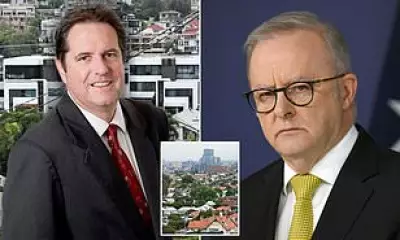
Political controversy also surrounds the land deals, as the real estate agent involved is Sharon Brantley, the wife of Nevis's Premier, Mark Brantley. Opposition figures have raised questions about potential conflicts of interest, though neither Brantley responded to requests for comment.
A Growing 'Network State' Trend
Destiny is part of a broader movement among tech and crypto elites to found so-called "network states"—semi-autonomous communities built on libertarian ideals with minimal government interference. Several similar ventures have secured hundreds of millions in venture capital.
Janssens, who obtained Nevisian citizenship through the federation's investment migration programme, has rejected claims he is creating a sovereign entity. He insists Destiny will be open to Nevisians and remain under government jurisdiction. His motivation, he says, stems from a distrust of politicians, summarised by the sentiment: "Leave us alone and let us do our things."
The development would include villas, medical clinics, and terraced housing. While Janssens's company declined to reveal total costs or property prices, he pledged a $50 million investment in local infrastructure if the project proceeds. The SSZ legislation includes sustainability safeguards, requiring at least 70% of a project's energy to come from renewable sources.
Despite the friction, some community members felt reassured after the public meeting. Mac Kee France, general manager of the hosting Palm Garden hotel, noted attendees "walked away feeling very confident about the answers they got." The outcome of this ambitious plan will test the balance between economic development and local sovereignty on the small island.