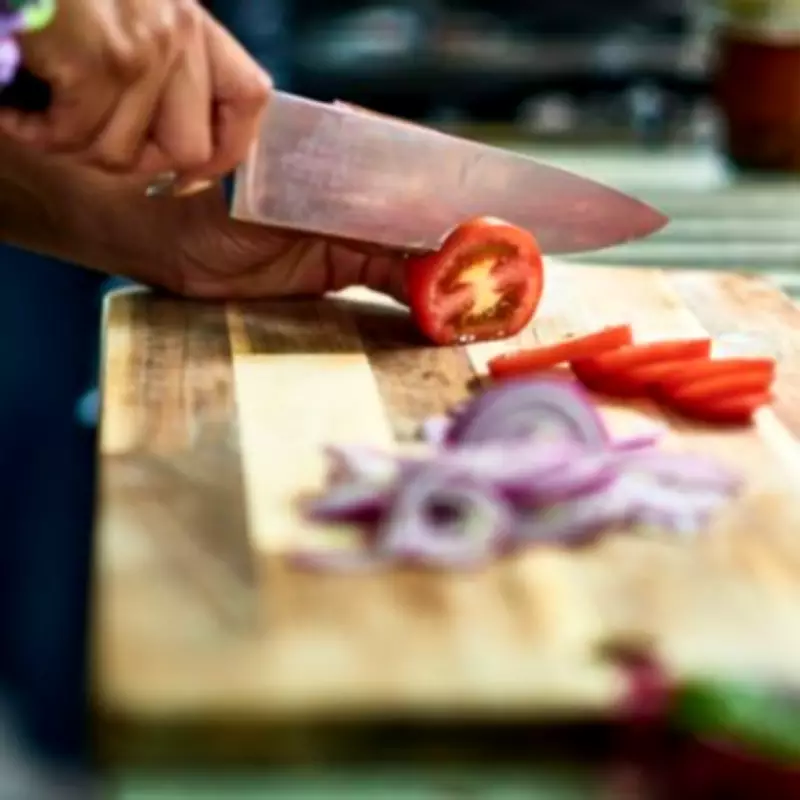
Wooden Chopping Board Warning: Avoid This Common Cleaning Mistake
Wooden chopping boards are a fantastic addition to any kitchen, complementing various decor styles and often providing a safer surface for food preparation compared to plastic or glass alternatives. However, owners have been urgently warned against one frequent error that can allow harmful bacteria to thrive. While these boards require slightly more care to maintain properly, doing so ensures they remain safer and more durable for longer periods.
The Critical Dishwasher and Water Warning
The consumer specialists at Which? have shared crucial guidance on maintaining wooden kitchen tools, including chopping boards. They explained that it may be tempting to toss all wooden utensils into the dishwasher, and some online advice even suggests this is acceptable. Social media hacks sometimes recommend deep-cleaning wooden spoons by placing them in boiling water. However, whether dealing with spoons, boards, or chopsticks, experts strongly advise keeping anything wooden out of the dishwasher and avoiding treatment with boiling water entirely.
When it comes specifically to wooden chopping boards, the one action you must never take is immersing them in water. While this might seem like a straightforward cleaning method, it can actually cause significant damage. Submerging the board in water leads to splits developing in the wood, creating ideal hiding spots for bacteria to gather and spread—a situation far from ideal in any kitchen environment.

Proper Cleaning Techniques for Wooden Boards
Instead of submerging, carefully wipe down the board using a sponge with warm soapy water, then rinse thoroughly. Using a clean towel, dry the board immediately before standing it upright and allowing it to air-dry completely. Aim to perform this cleaning straight after use to prevent stains or odours from forming. If stains or odours are already present, try scattering some salt or bicarbonate of soda on the board and rubbing it with half a lemon to eliminate them effectively.
The Importance of Regular Oiling
One crucial aspect of chopping board maintenance that many people overlook is oiling. This process helps protect against splintering and cracking and can be applied to all wooden kitchen utensils, including spoons. Where possible, opt for a food-grade mineral oil, steering clear of cooking oils such as olive oil, as these can leave utensils feeling sticky and unpleasant. Work some oil into the board, then add an extra layer of protection with food-grade beeswax. This keeps the wood in prime condition, meaning you will need to replace your utensils far less frequently, ensuring both safety and longevity in your kitchen tools.