Wetherspoons Issues Apology After Guide Dog Controversy
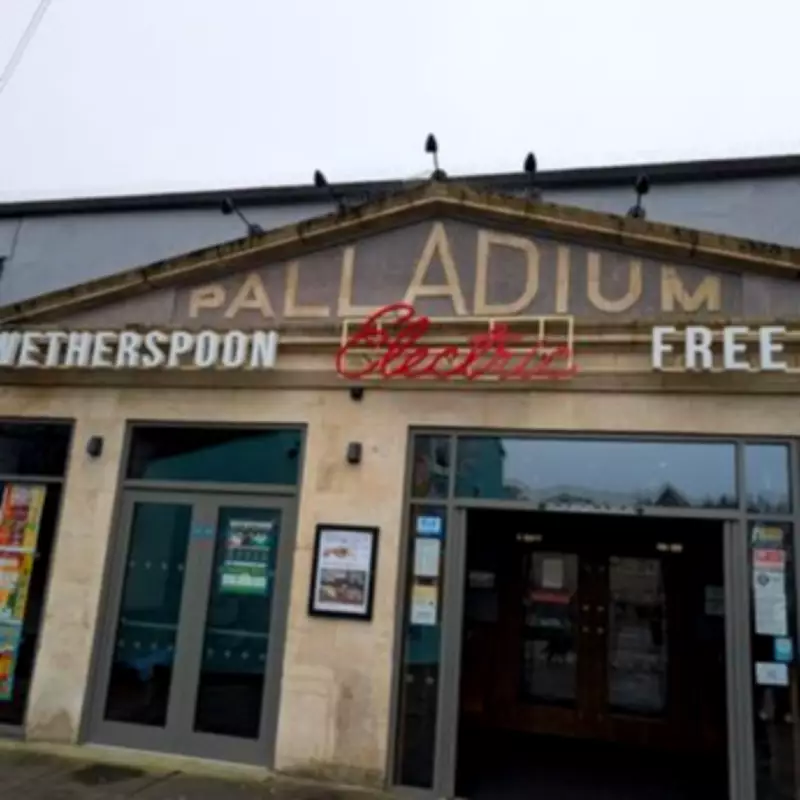
Wetherspoons has issued a formal apology following an incident where a blind man and his family were forcibly removed from one of its pubs because he had a guide dog. The confrontation occurred at the Palladium Electric Wetherspoons on March 8, sparking outrage over alleged discrimination against disabled patrons.
Birthday Celebration Turns Sour
Tom Gray, a 36-year-old teaching assistant from Midsomer Norton in Somerset, visited the pub with his family to celebrate his daughter's birthday. The party of eight had already ordered their food when a staff member approached and demanded they leave the premises immediately. Gray, who is registered as severely visually impaired, was accompanied by his four-year-old Labrador guide dog, Lulu.
The staff member reportedly insisted that guide dogs required accreditation to be allowed inside, despite multiple signs on the pub's front door clearly stating that guide dogs are welcome. Under the Equality Act 2010, businesses are legally obligated to make reasonable adjustments to accommodate disabled individuals, including permitting assistance animals.

Failed Attempts at Resolution
Gray offered to provide his dog's identification number and even suggested calling The Guide Dogs charity to verify Lulu's training status. However, the employee refused these offers and continued to insist that the family depart. The situation escalated when the staff member accused Gray of getting in his face, a claim Gray found particularly distressing given his inability to see.
"He turned down every opportunity to resolve the problem," Gray recounted. "He escorted me out of the building, which I would totally understand if I had done something wrong, but I had just gone out for a meal." The family pointed out the contradictory signage, but the employee declined to review it.
Contradictory Policies and Public Outcry
Wetherspoons' official policy states that animals are not permitted in its pubs, with exceptions made for trained guide dogs and assistance dogs with accredited training. The company emphasises that it does not require proof for guide dogs. This incident has highlighted a significant gap between corporate policy and on-the-ground implementation.
Gray expressed profound frustration and anger over the treatment, noting that he had visited the same pub numerous times before with Lulu without issue. He has yet to receive the £70 refund for the uneaten meals, though Wetherspoons later confirmed that a refund had been issued.
Formal Apology and Ongoing Concerns
After being contacted by journalists, Wetherspoons released a statement apologising to the customer. A spokesperson said: "Wetherspoon welcomes all guide dogs and also assistance dogs with accredited training from Assistance Dogs UK member organisations into our pubs. We do not require proof for guide dogs, or details of training."
The spokesperson added: "We apologise to the customer who was provided with a refund and asked to leave the premises. If the customer would like to contact our customer services team, we will address his concerns directly."
Broader Implications for Disability Rights
This incident raises serious questions about the consistency of disability accommodations in public venues. Gray's experience underscores the challenges faced by individuals with disabilities when accessing everyday services. He lamented the loss of an affordable dining option for his large family, stating he is unlikely to return to any Wetherspoons location in the future.
"It's a shame because we're such a big family it's a nice affordable option when we're out and about," Gray said. "And if we're going to get treated like this I don't think we're going to risk it." The case serves as a stark reminder of the ongoing need for vigilance in upholding the rights of disabled citizens across all sectors of society.