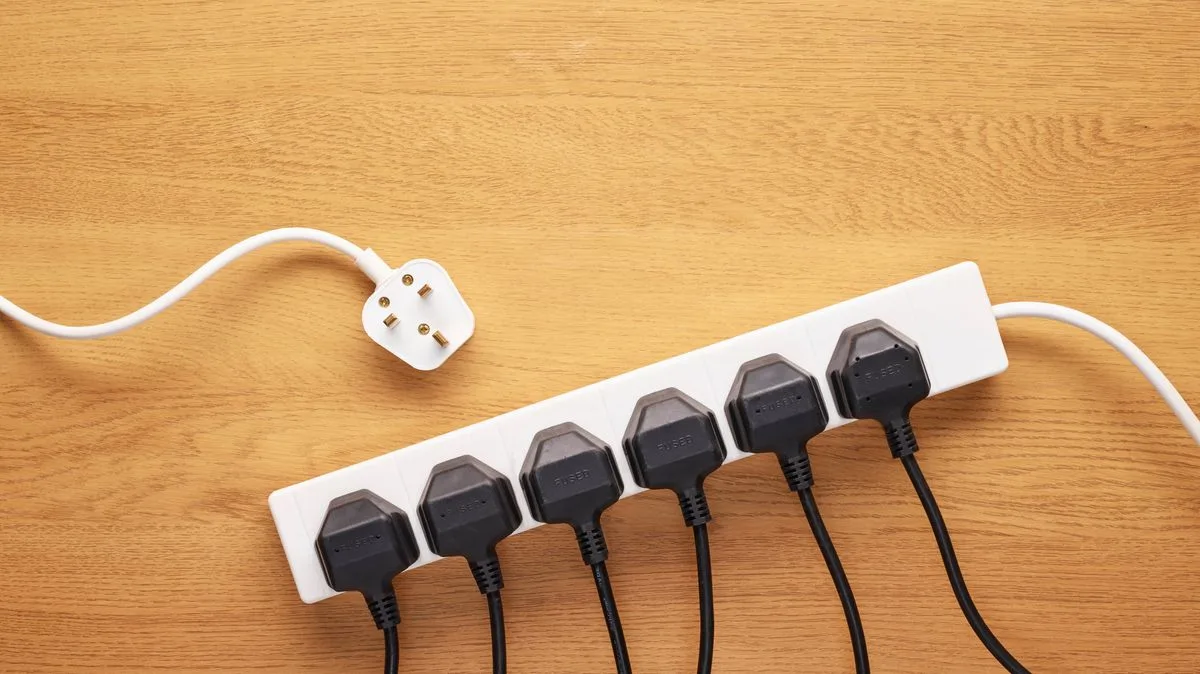
Firefighters' Urgent Christmas Warning: Overloaded Extension Leads Spark Blaze Risk
Urgent Christmas warning over extension lead fire risk

As households across the UK begin decking their halls with festive lights and ornaments this week, firefighters have issued a stark warning about a common but dangerous practice. The reliance on extension leads to power Christmas decorations is posing a significant fire hazard if basic safety steps are ignored.

The Hidden Danger in Festive Homes

With many seasonal lights and decorations arriving with short cables, families often turn to extension leads to reach sparse wall sockets, particularly in older properties. The County Durham and Darlington Fire and Rescue Service has now highlighted this as a major preventable risk during the holiday period.

A spokesperson for the service emphasised the need for caution. "Ensuring your home has sufficient socket outlets at convenient points will minimise the need for extension leads and adapters, but their use will occasionally be unavoidable," they stated. The clear advice is to use a wall socket directly if the equipment cable can reach, but never to stretch a cable taut as this creates a tripping hazard.

Essential Safety Steps for Using Extension Leads

When an extension lead is necessary, experts outline several critical safety measures. First, always visually inspect leads, plugs, and sockets for any signs of damage before use. Extension cables should be positioned carefully to avoid damage, and where they cross walkways, a rubber protector strip should be used to reduce tripping and cable wear.

Firefighters strongly advise only using leads fitted with properly insulated connectors and plugs. A dangerous and common mistake is joining two lengths of cable by twisting wires together, even if covered with insulating tape. This method is unsafe and should never be attempted. Furthermore, no extension lead should exceed 15 metres (just under 50 feet) in length. Any damaged lead must be taken out of service and replaced immediately, as insulating tape cannot provide a safe or durable repair.

Recognising the Red Flags of Overloading

Understanding the capacity of your extension lead is vital. Most standard leads have a 13-amp rating, equating to roughly 3,000 watts of power. It is crucial to add up the wattage of all appliances plugged into one lead, which can typically be found on a label on the device, to avoid exceeding this limit.

Charity Electrical Safety First lists clear warning signs that an extension lead or socket is overloaded and at risk:

  • A smell of hot plastic or burning near an appliance or socket.
  • Sparks or smoke coming from a plug or appliance.
  • Blackness or scorch marks around a socket, plug, or on an appliance.
  • Visible damage such as frayed leads or coloured wire showing.
  • Melted plastic on appliance casings or cables.
  • Fuses that blow or circuit-breakers that trip without an obvious reason.

For Christmas decorations specifically, opting for modern LED lights over older incandescent bulbs is a safer choice. LED bulbs run cooler, reducing fire risk if they contact flammable materials like tinsel or paper decorations, and they also consume less energy, offering savings on electricity bills.

This urgent reminder from fire services underscores that a moment of precaution can prevent a festive celebration from turning into a devastating tragedy.