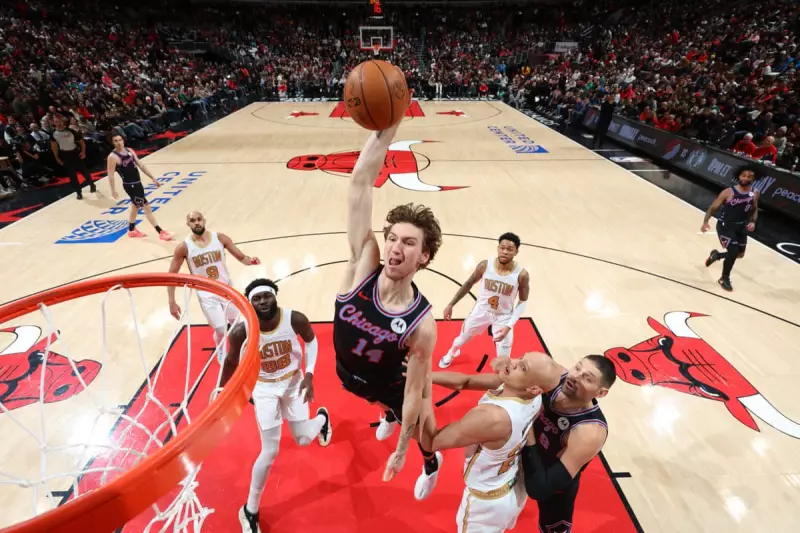
The United Center, the iconic home of the Chicago Bulls and Chicago Blackhawks, is set to become a trailblazer in the arena industry by offering THC-infused beverages at select events. This development could potentially inspire other major venues across the United States to explore similar initiatives, according to industry experts.
Federal Legislation Enables Arena Sales
These cannabis drinks can be sold outside traditional state-licensed recreational dispensaries because they belong to the hemp-derived cannabis market, which remains legal at the federal level. This regulatory distinction provides a unique opportunity for venues to diversify their beverage offerings without contravening federal law.
Concert Debut and Pricing Strategy
Infused beverages from Illinois cannabis brands Rythm and Señorita will make their debut at the Boyz II Men concert on February 4th. Rich Schepp, general manager of beverage at Green Thumb Industries, confirmed that prices will align with other premium spirits available at the United Center, typically ranging between $15 and $20 per drink.

Sporting Events Present Regulatory Hurdles
While concert venues appear receptive to the concept, expansion to sporting events faces significant challenges. Schepp acknowledged that "it's going to take a little bit more discussion with some of the sport leagues," particularly noting that "the NHL does not currently want THC products sold at their games." However, he expressed optimism that "that stance will change" in the foreseeable future as attitudes toward cannabis continue to evolve.
Venue Enthusiasm and Market Awareness
Schepp revealed that Green Thumb Industries, headquartered in Chicago, has been engaging with venues throughout Cook County. Concert venues demonstrate particular enthusiasm for the concept, recognizing that attendees already arrive at events having consumed cannabis products. "Whether it's consuming cannabis or an edible before they head into a venue or bar, we all know that's happening," Schepp observed.
He noted that while venues traditionally discourage smoking within their premises, they recognize that consumers increasingly seek cannabis products. When venues understand they can legally profit from this consumer behavior through THC beverage sales, their interest typically intensifies. However, Schepp emphasized that many venues remain unaware of their legal ability to sell these products outside traditional dispensary channels.
Safety Considerations and Staff Training
Once venues recognize the legal pathway, conversations inevitably turn toward safety protocols. Schepp explained that he clarifies how "THC that is derived from hemp is fundamentally the same as THC that is derived from cannabis," while emphasizing that "where that THC is coming from really changes the downstream route to market and where these products can be sold."
The primary safety discussion focuses on preventing customers from confusing THC beverages with alcoholic drinks or ordinary juices. This necessitates comprehensive staff training to ensure clear communication with patrons about what they're consuming.
Medical Perspectives on Consumption Safety
Dr Peter Grinspoon, a cannabis specialist and instructor at Harvard Medical School, highlighted the critical importance of ensuring people don't drive after consuming THC beverages, mirroring concerns about alcohol consumption at stadium events. His paramount safety concern involves the potential for patrons to mix THC and alcohol rather than substituting one for the other, which could significantly increase impairment levels.
Grinspoon noted that people particularly tend to overindulge at sporting events, making this consideration especially relevant. However, he suggested that THC beverages might actually enhance safety at such events compared to alcohol. While alcohol can serve as a "social lubricant," it frequently increases belligerence at concerts and sporting events. In contrast, THC helps people "enjoy watching sports because it helps them sort of see the nuances and view it from a slightly altered consciousness in a very different way than alcohol."
The specialist further observed that overconsumption of THC typically makes people quieter, whereas excessive alcohol consumption tends to make them louder and more disruptive.

Regulatory Uncertainties and Future Prospects
The United Center's THC beverage sales initiative faces potential challenges from a hemp ban included in last year's discretionary spending bill, scheduled to take effect next November. However, the practical impact remains uncertain given that states frequently defy federal cannabis regulations.
Jonathan Miller, general counsel for the US Hemp Roundtable, suggested it's "very possible states will continue to be permissive when the federal government is prohibitory." He highlighted that Chicago's city council recently made a specific exception for THC drinks while banning other intoxicating hemp-derived products this month.
Miller revealed that legislation to extend the moratorium on the hemp ban has been introduced in both the House and Senate, potentially becoming part of urgent agricultural bills related to tariffs. He characterized it as a "real possibility" that this legislation could pass within weeks, thereby delaying the implementation of the hemp ban.
This development at the United Center represents a significant moment in the evolving relationship between major entertainment venues and cannabis products, potentially establishing a precedent that other arenas nationwide might follow as regulatory landscapes continue to shift.