Millions of Britons are preparing for potential major disruptions by keeping cash at home, stockpiling tinned goods, and ensuring they have battery-powered torches, according to a survey by Link, the UK's ATM network. The research highlights growing concerns over natural disasters, cyber-attacks, and power outages.
The survey found that 54% of respondents would withdraw cash from an ATM if card and mobile payments were not accepted, while 46% would use food supplies from home. Additionally, 41% would use cash on their person, 36% would use cash at home, and 31% would shop online. Notably, 15% said they would use a dedicated stash of banknotes and coins kept for such scenarios.
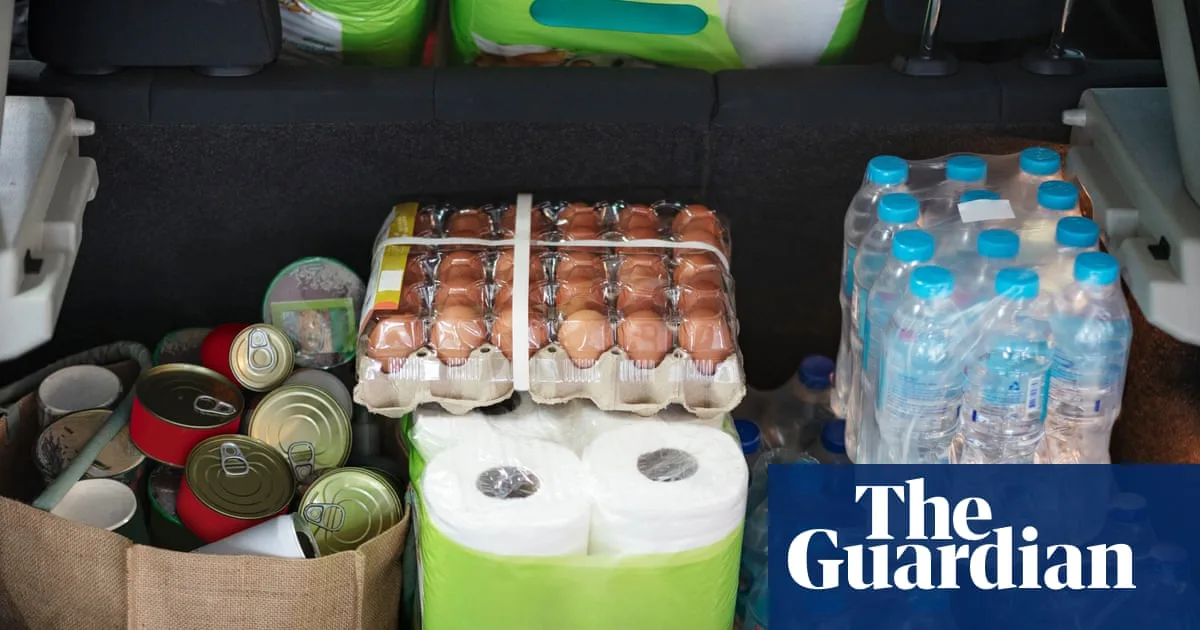
In terms of actual preparations, 49% have battery-powered items like torches, 47% have a supply of tinned goods, and 37% keep a power bank for phone charging. One in five have a portable gas hob, 15% have an analogue radio, and 17% have a stash of cash at home. However, 27% have not taken any preparatory steps.
Graham Mott, Link's director of strategy, said the data shows cash's growing role in resilience planning. The UK government's Prepare website also advises keeping tinned food, bottled water, a first aid kit, and battery-powered torches and radios for emergencies.