UK Households Face Grocery Price Surge as Essential Items Outpace Inflation
UK Grocery Prices Soar Beyond Official Inflation Rate

UK Supermarket Shoppers Confront Soaring Prices on Everyday Essentials

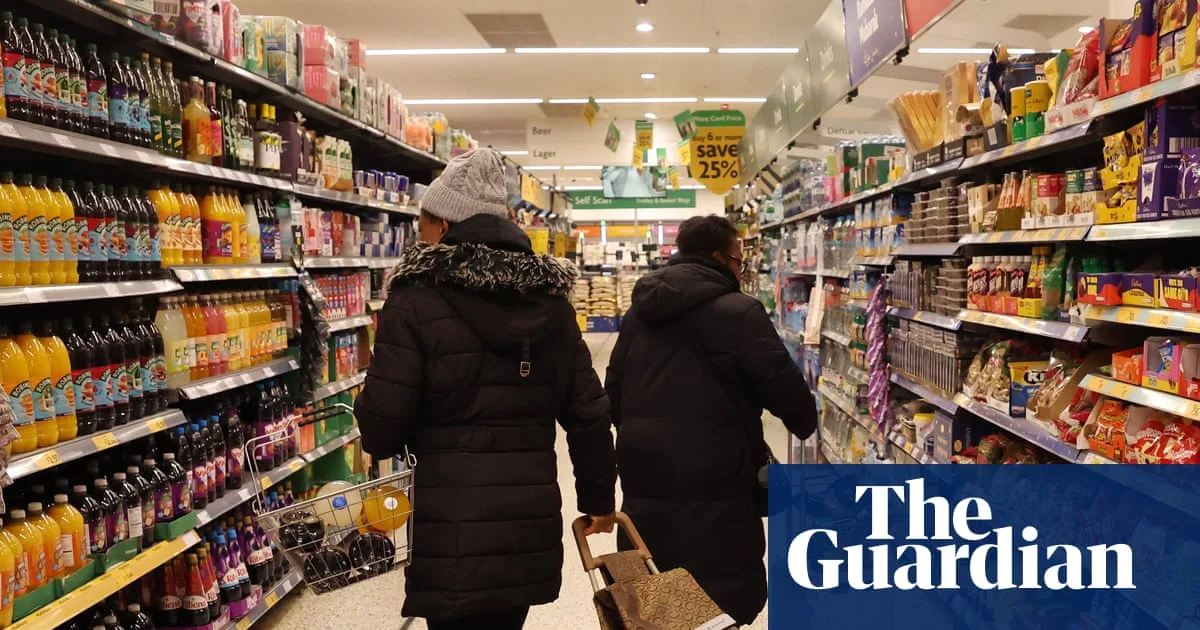
British households are experiencing significant pressure at supermarket checkouts as fresh analysis reveals how dramatically prices for everyday items have increased over the past year. A comprehensive comparison of ten common grocery products shows their costs have surged well beyond the official inflation rate, placing additional strain on family budgets already grappling with the ongoing cost-of-living crisis.

Essential Items Hit Hardest by Price Hikes

The investigation focused on fundamental household staples purchased weekly by most families. Fresh produce and essential personal items have experienced the most severe increases, with Pink Lady apples leading the way at a staggering 61 percent rise from £4.90 to £7.90 per kilogram over twelve months.

Carrots followed closely behind with a 47 percent jump from £1.70 to £2.50, demonstrating how even basic vegetables have become substantially more expensive for UK consumers. Beef mince, a kitchen staple for many British households, climbed 23 percent from £6.50 to £8.00 for a 500g pack.

Perhaps most concerning for many households was the sharp 38.5 percent increase in tampon prices, rising from £6.50 to £9.00 for a 32-pack. These particular increases prove especially punishing as they affect items purchased regularly by most families, making it challenging for shoppers to reduce their weekly expenditure.

Pantry Staples and Refrigerated Items Also Rise

Further examination revealed more moderate but still noticeable increases across familiar pantry staples. Instant coffee prices rose 18.2 percent to £6.50, while breakfast cereals and chocolate blocks both increased by 14.3 percent. Even iconic British spreads edged up by 5 percent to £4.20.

Refrigerated items weren't spared either, with large free-range eggs increasing 8.8 percent to £6.20 and full-cream milk rising 6.7 percent to £3.20. Remarkably, even carbonated drinks showed a 3.9 percent price increase to £4.00 per bottle, demonstrating how few products have escaped the inflationary trend.

Official Inflation Data Confirms Widespread Pressure

Recent data from the Office for National Statistics showed the Consumer Price Index rose 3.8 percent in the year to December, accelerating from 3.4 percent in November. Housing remained the primary driver of inflation at 5.5 percent, followed closely by food and non-alcoholic beverages at 3.4 percent.

At butchers nationwide, shoppers faced particular challenges with meat and seafood prices rising 4.4 percent overall. This included sharp increases for beef and veal (10.8 percent) and lamb and goat (13.4 percent), partly driven by strong international demand for British red meat.

Vegetable prices increased 3.8 percent following extreme weather conditions that triggered shortages and higher prices for cucumbers, zucchinis and peppers. Fruit prices jumped 4.2 percent as reduced apple supplies pushed costs higher across the category.

Specialist Categories Show Varied Trends

Snack seekers faced steeper prices with confectionery and snack foods rising 6.5 percent, largely due to ongoing global cocoa shortages affecting chocolate production. Non-alcoholic beverages surged 4 percent overall, led by a 15.3 percent jump in coffee, tea and cocoa prices caused by reduced coffee bean supplies from major international producers.

Eating out has become more expensive too, with meal and takeaway prices jumping 3.5 percent as cafés and restaurants pass on higher wage and ingredient costs to customers. Some limited relief appeared in specific categories, with egg prices falling approximately 5 percent over the past six months and oils and fats now 2 percent cheaper than a year ago.

Expert Analysis and Future Outlook

Consumer finance expert Sally Tindall noted the cost of living has accelerated significantly, with the average family of four now spending £260 weekly on groceries. "I was genuinely shocked when I recently purchased breakfast cereal for £9.50," she commented. "From July, new government regulations will prevent major supermarkets from applying excessive mark-ups compared to supply costs, though this doesn't guarantee lower checkout totals."

"Supply chains remain complex and susceptible to fluctuations, meaning it may simply cost more to get products onto supermarket shelves," Tindall explained. "There are also concerns the new rules might lead to more conservative pricing with fewer special offers available to consumers."

These sharp increases arrive as households already face severe financial strain, with millions of mortgage holders preparing for potential interest rate adjustments. Investment specialist Russell Chesler described the latest inflation data as "uncomfortably high," noting that "with unemployment low at 4.1 percent and household spending resilient, the question is no longer if rates will move higher but when and by how much."

The combination of grocery price surges exceeding official inflation, potential interest rate movements, and limited immediate relief suggests the cost-of-living pressure on UK families shows little sign of easing in the near future.