Travelodge Faces Backlash for Late-Night Refusal of Vulnerable Guests
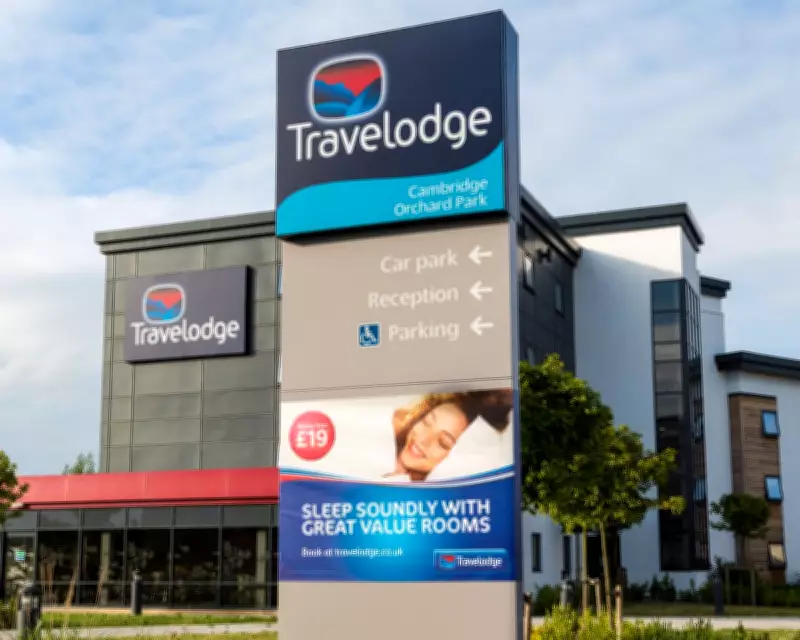
Travelodge has come under severe criticism after staff at its Cambridge Orchard Park branch turned away two young women late at night, citing insufficient identification to prove they were over 18. The incident involved a 22-year-old autistic woman and her 20-year-old sister, who were left stranded far from home with no alternative accommodation.
Details of the Distressing Incident
The women presented their rail and student cards, which clearly displayed their dates of birth, but Travelodge staff refused to accept these as valid proof of age. Their mother, who contacted the hotel, offered to scan their passports remotely, but this was also rejected. The customer service helpline provided no assistance, leaving the women in a precarious situation as it approached 10pm.
The 22-year-old, who is autistic, requires pre-planned itineraries and companionship for outings, making the refusal particularly distressing. Eventually, a friend had to drive a considerable distance to Cambridge to offer them shelter, highlighting the chain's failure in duty of care.

Broader Issues with Travelodge Policies
This is not an isolated case; Travelodge has a history of turning away pre-booked guests, often due to double-bookings or strict ID enforcement. While the company mandates that unaccompanied guests must be over 18, this is a corporate policy, not a legal requirement. The need for official photo ID, such as a passport or driving licence, is buried in the terms and conditions, with no clear warning during the booking process.
Customers are required to tick a box confirming age during booking, but there is no mention of ID at that stage, nor in the booking confirmation. This lack of transparency has led to situations where guests, especially young adults, are left vulnerable and without recourse.
Response and Ongoing Complaints
Despite multiple complaints from the family, Travelodge initially offered no response. The company later issued an apology and refund, but this was done without any explanation or acknowledgment of the distress caused. When questioned about the clarity of their ID requirements, Travelodge defended its actions, stating that only official government photo ID is accepted.
The chain's stance has raised concerns about consumer rights and the hospitality industry's responsibility towards vulnerable individuals. Many argue that in such circumstances, staff should exercise discretion and accept alternative forms of identification.
Implications for Consumer Protection
This incident underscores the need for better communication and flexibility in hotel policies. Travelodge's refusal to adapt its rules, even when faced with vulnerable guests, highlights a gap in consumer protection. As the hospitality industry grows, ensuring that policies are fair and transparent is crucial to prevent similar occurrences.
For those affected, it serves as a reminder to always carry official ID when travelling, but also calls for businesses to prioritise customer safety over rigid protocols.