American consumers, already weary of pervasive gratuity requests, are confronting a new tipping trend that has sparked widespread outrage. The latest development involves restaurants asking for two separate tips on a single order, pushing frustration levels to unprecedented heights.
The Dual Tipping Dilemma
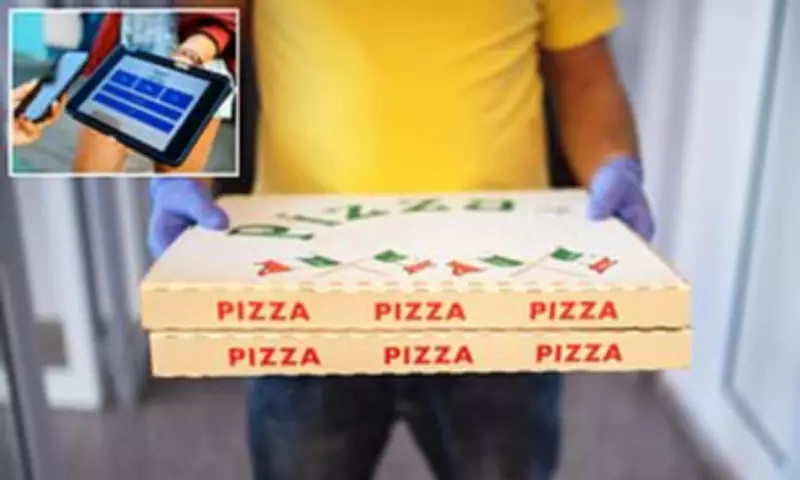
A customer recently shared a shocking experience on social media platform X, revealing that a pizza parlour requested two distinct gratuities for a to-go order. One tip was designated for the delivery driver, while another was explicitly "for those preparing your meal." The customer expressed disbelief, writing, "Bro I just wanted dinner not a guilt-powered funding round for everyone in the supply chain."
This incident ignited a firestorm of criticism across online forums. A Reddit user commented, "This is on a completely new level that I’ve never seen before and I don’t know why but it immediately pissed me off." Another agreed, stating, "This has gone off the rails," while a third suggested, "Cancel and never order from there."

Calculating the Financial Impact
Observers quickly noted the substantial financial burden this practice imposes. If a customer were to tip the now-normalised 20 percent to both parties, the total gratuity would reach a staggering 40 percent of the bill's value. This escalation has prompted many Americans to reconsider their dining habits entirely.
"This is exactly why I’ve been doing more meal prep and cooking at home," one user explained. "I used to order food at least twice a week, but now it’s down to once a month." This sentiment reflects broader consumer behaviour shifts that are significantly impacting the restaurant industry.
Restaurant Industry Consequences
The growing backlash against extreme tipping culture, often termed "tipflation," coincides with troubling trends for American eateries. Consumers are increasingly cutting back on discretionary spending, with restaurants experiencing particularly severe impacts. As tipping expectations become more aggressive, Americans are demonstrating reduced willingness to dine out.
This environment has contributed to numerous restaurant closures across the United States. Established chains like Bahama Breeze, sister restaurant to Olive Garden, have announced plans to shutter all locations. Similarly, popular spots including Noodles & Company and Pizza Hut are rapidly closing doors nationwide.
Post-Tax Tipping Controversy
Another recent tipping outrage emerged when customers discovered Texas Roadhouse calculating gratuity suggestions based on post-tax totals. Diners reported encountering screens or paper checks requesting tip selections of 15, 18, 20, or 25 percent after tax had been applied to their bills.
While percentage amounts themselves no longer surprise most consumers—who have grown accustomed to 20 percent requests at restaurants, bars, and coffee shops—the calculation method proved shocking. The small print revealed, "Tip is calculated after tax and before discounts," violating the long-standing cultural norm that gratuity should represent a percentage of the pre-tax total.
"Texas Roadhouse suggestions are out of control," one customer complained on Reddit, highlighting widespread frustration with this practice.
Additional Tipping Incidents
Several other incidents have further inflamed consumer sentiment. Last month, an Italian restaurant in Las Vegas faced criticism for automatically adding a tip to receipts before presenting them to customers, then requesting additional gratuity on top.
Meanwhile, diners at G&M Restaurant in Linthicum Heights, Maryland, experienced outrage when their $260 meal bill arrived with the 15 percent tip option—amounting to $36.75—scribbled out by their server. The waitress had described service as "decent enough" though "nothing excellent," making the crossed-out suggestion appear as though "it wouldn't be good enough for her." The server had also preemptively written "Thank you" on the receipt, which diners characterised as "entitled" and "infuriating."

Forced Tipping Experiences
Another Reddit user described being effectively compelled to tip when collecting a pizza order. During payment, they encountered a prompt stating "Don't forget a tip!" with options of 15, 20, or 35 percent. While a "custom" box was available, no option existed to leave zero gratuity, creating a sense of obligation.
These experiences align with broader research findings. A survey conducted last year revealed that three-quarters of Americans believe tipping culture has gone too far. Additionally, two-thirds admitted to frequently engaging in "guilt tipping," where they feel pressured by checkout machine prompts to add gratuity despite reservations.
Historical Context and Changing Norms
The evolution of tipping expectations highlights significant cultural shifts. Just a decade ago, 15 percent represented the standard gratuity for average service. Today, that baseline has increased to 20 percent, with many establishments requesting even higher percentages.
This escalation, combined with innovative methods like dual tipping requests and post-tax calculations, has created a perfect storm of consumer frustration. As restaurants struggle with declining sales and closures, the industry faces critical questions about balancing fair compensation for workers with sustainable customer relationships.
The ongoing debate surrounding tipping culture continues to shape American dining habits, with many consumers voting with their wallets by reducing restaurant visits and increasing home cooking. How establishments respond to this backlash may determine their survival in an increasingly competitive and sentiment-driven market.