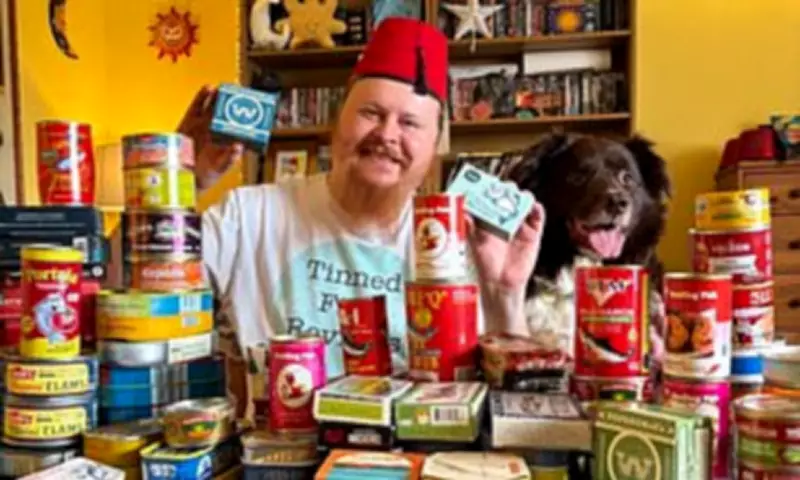
Social media platforms are frequently awash with peculiar culinary trends, and the latest phenomenon has many consumers utterly bewildered. Tinned fish, traditionally relegated to the back of kitchen cupboards as a humble staple, is now commanding premium shelf space in supermarkets across Britain, with the most exclusive varieties fetching prices as high as £12.50 per can.
The Rise of Premium Tinned Seafood
For generations, tinned fish served as an economical sandwich filling or a simple salad addition, prized for its affordability and extended shelf life. However, a swift examination of supermarket aisles today reveals a startling price disparity. While standard tins typically cost under one pound, premium offerings now reach extraordinary price points.
Marks & Spencer stocks posh sardine tins at £11, alongside "white" tuna cans priced at £12.50. This represents more than ten times the cost of their regular sardines and tuna, which the retailer sells for just £1. Meanwhile, Waitrose offers "Cantabrian" anchovy fillets at £10 per can, signaling a dramatic shift in how this traditional product is perceived and marketed.

The Influencer Effect
This transformation has been significantly propelled by health influencers, online chefs, and particularly Marcus Ansell, a Nottinghamshire man who has achieved remarkable fame through his tinned fish reviews. Operating online as 'Tinned Fish Reviews', Ansell has accumulated over 1.3 million followers across TikTok and Instagram through his unique content.
"I think people are realizing how good tinned fish is and how interesting it can be," Ansell told the Daily Mail. "Many were probably accustomed to cheap supermarket canned tuna, unaware of the extensive, fancy, and exciting world of premium tinned fish."
Ansell reviews international tinned fish varieties, often wearing a distinctive fez and accompanied by his dog, King Arthur. He distinguishes between products, noting that expensive tins offer "a delicate, buttery texture with no metallic taste" compared to regular supermarket tuna's "quite metallic" flavor and "dry" texture.
From Hobby to Career
What began as a Christmas gift from his sister two years ago has evolved into a full-time profession for Ansell. After posting his initial review video, his following grew so substantially that he abandoned his conventional employment to focus exclusively on tinned fish evaluation.
He recommends Asda and Tesco's premium ranges, particularly praising M&S hot smoked mackerel, which has become so popular that American consumers are reportedly importing it. For enthusiasts seeking variety, Ansell identifies the Tinned Fish Market stall in Borough Market as Britain's premier destination.
"There are so many different varieties that it could become quite a big hobby of trying all the different ones," he observed, revealing he once purchased a £23 tin of Alalunga Hake sourced exclusively from fish cheeks.
Culinary Innovation and Social Media Trends
The tinned fish revival has spawned unusual preparation methods, including a technique where creators place a paper towel over an opened sardine can and set it alight. Former chef and TikTok influencer Ben Slator demonstrated this method with £13 Los Peperete sardines, declaring the result "surprisingly delicious" with a barbecued fish flavor.
Despite canned fish's historical roots dating to the 1700s, younger TikTok users are only now discovering its "niche" appeal. Viral videos routinely feature tinned fish alongside expensive cheeses, premium wines, and elaborate charcuterie boards, accumulating millions of views.
Health and Lifestyle Appeal
Health food influencer Sunna van Kampen, with nearly 900,000 followers, has declared tinned fish "the trendiest food of 2026," emphasizing its health benefits, high omega-3 content, and simple ingredients of "just olive oil and fish."
Another influencer known online as Tonic Health, addressing the premium pricing, told his 900,000 followers: "Not sure it's worth 12 quid but it is delicious tuna and super healthy."

Ansell typically enjoys tinned fish plain or with toast, advising that sauced varieties require heating. "Some have butter at the bottom, so you have to heat it up and pour the butter on some toast before you chew on it. It's fantastic," he explained, asserting that the taste difference justifies the price premium.
This culinary revolution demonstrates how social media can transform perception, elevating a basic pantry item into a luxury delicacy while creating entirely new consumer behaviors and market opportunities.