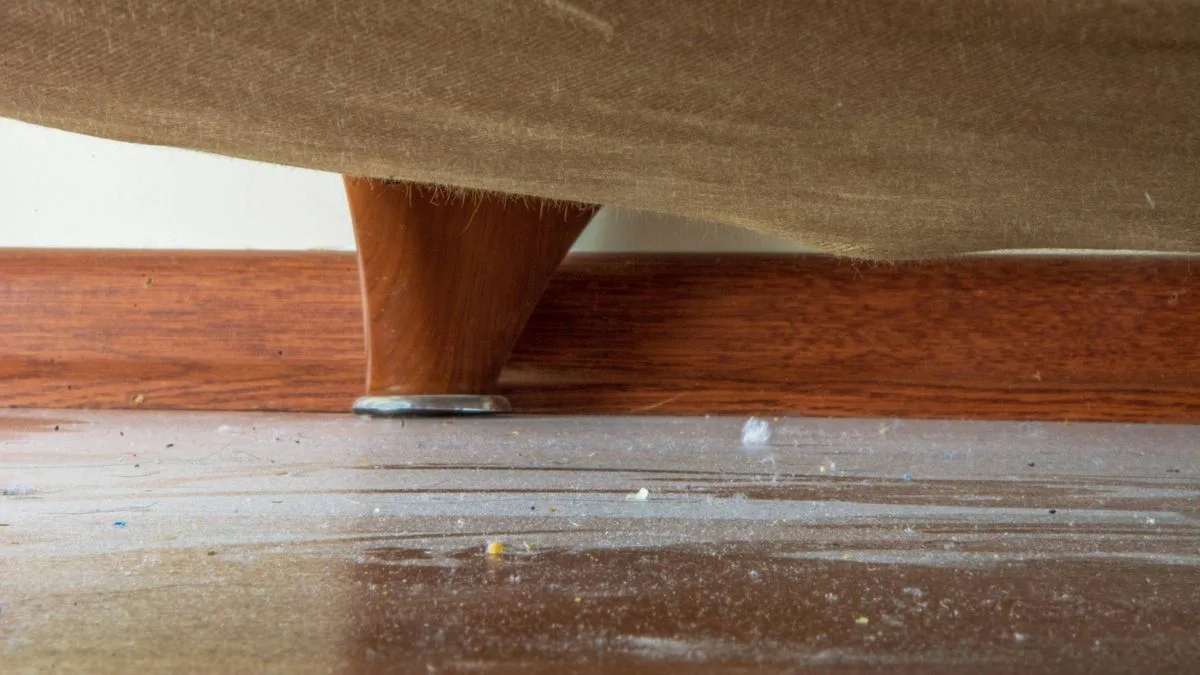
Spring brings blooming flowers and longer days, but for homeowners with wooden floors, it also brings a relentless enemy: pollen. This fine, gritty substance can scratch surfaces, stain wood, and settle into cracks, creating a stubborn layer of dust. However, a simple kitchen staple—teabags—offers an effective and affordable solution.
Tammy, from All Kleen Carpet Cleaning, explains that black tea contains tannins, which act as a natural stain enhancer, bringing out the warm tones of hardwood. The polyphenolic compounds in tea also combat germs and prevent their growth. Tea's mild acidity helps break down grime without damaging the floor, making it a safe alternative to harsh chemicals.
To use this method, start by vacuuming the floor to remove loose dust, paying attention to corners and under furniture. Boil water and pour it into a mop bucket, then add several teabags and let them steep for about 10 minutes. Once the water has cooled to lukewarm—to avoid harming the wood finish—remove the teabags and wring out the mop thoroughly to avoid soaking the floor.
Mop in the direction of the woodgrain, using minimal water. Excess moisture is the most common cause of damage to wooden floors. After mopping, the floor should be shiny, pollen-free, and have a richer colour that makes minor scratches less noticeable. This natural cleaning hack is not only effective but also budget-friendly, reducing the need for expensive commercial products.