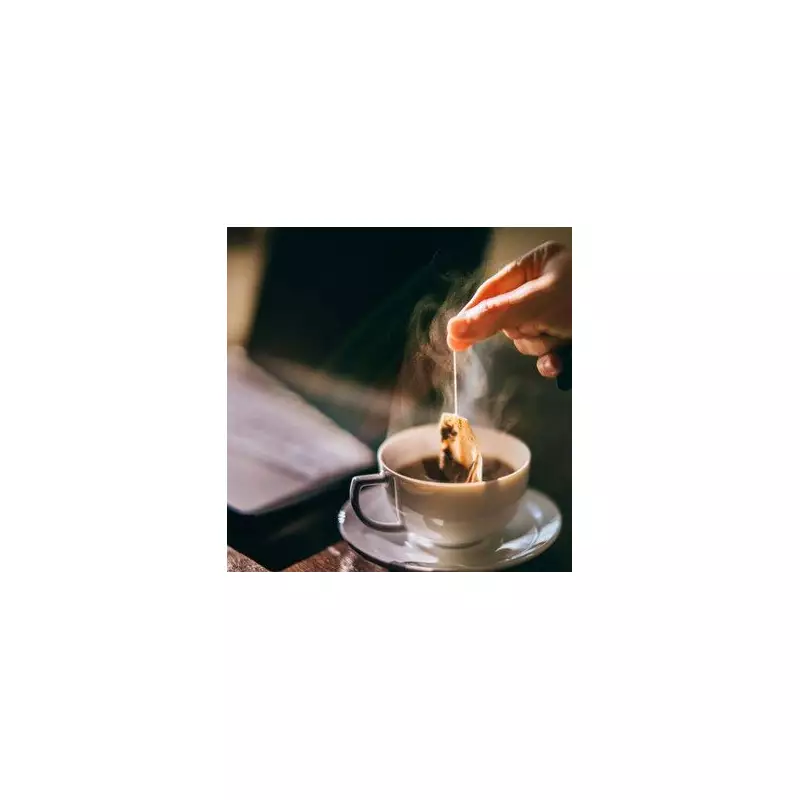
For millions across the UK, the daily ritual of making a cup of tea is second nature. Yet, a seemingly innocent step in this process is being blamed for turning a comforting brew into a bitter, unpleasant drink.
The Bitter Truth About Teabag Squeezing
According to research highlighted by Saga Magazine, a significant 68% of Britons use the teabag-in-mug method for their daily cuppa. This popular approach, however, often leads to a critical error: giving the teabag a firm squeeze once it has steeped.
Angela Pryce, the senior tea buyer at renowned retailer Whittard, has issued a clear warning against this practice. She explains that squeezing the teabag forces out tannic acids, which are natural compounds found in tea leaves. This release is what imparts a harsh, bitter taste to your drink.

What Are Tannins and Why Do They Matter?
Tannins are astringent substances present in tea, coffee, wine, and chocolate. They contribute to the dry, puckering sensation associated with these foods and drinks. While all teas contain tannins, their concentration is heavily influenced by how long you brew your tea and your preparation method.
Instead of squeezing, Angela Pryce advises gently lifting the teabag out after three to five minutes of infusion. This allows the flavours to diffuse naturally without the aggressive extraction of bitter compounds.
Does Squeezing Really Make a Difference?
Insights from BBC Science Focus offer a nuanced view on the debate. The publication notes that while squeezing a teabag can accelerate the release of tannins, these compounds are not magically trapped inside the bag. Longer brewing times inherently lead to a stronger, more tannic cup regardless of squeezing.
The key takeaway is that squeezing simply speeds up the steeping process. As the publication points out, some teabags are even designed with drawstrings to make squeezing easier, suggesting the practice is not universally condemned by manufacturers.
Other Factors That Can Spoil Your Brew
The quest for the perfect cup doesn't end with avoiding the squeeze. The quality of your water plays a crucial role. Soft or filtered water is recommended over hard water, as it allows the tea to steep properly and unlock richer, clearer flavours.
For those using the teabag-in-mug method, the order in which you add milk is also vital. Chemistry professor Michelle Francl, speaking to the Tea Advisory Panel via Saga, advises adding milk after the water. Pouring cold milk into the mug first significantly reduces the water temperature, which can hinder proper brewing and even cause the milk to curdle.
So, next time you put the kettle on, remember: patience and a light touch with the teabag, followed by milk last, could be the simple secrets to a vastly superior brew.