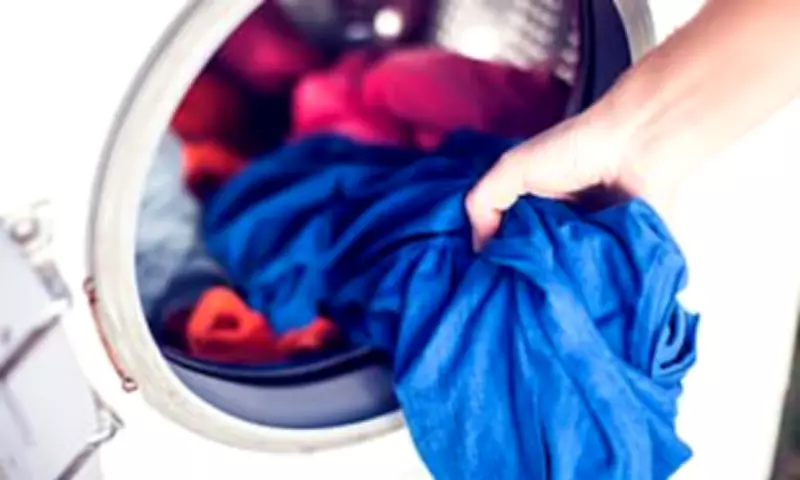
When you return home after an intense gym session, it might seem convenient to immediately toss your sweaty workout clothes into the washing machine. However, experts have issued a stark warning that this common practice can actually trap unpleasant odours, leaving your garments smelling foul even after they have completed a full wash cycle.
The Importance of Letting Clothes Breathe
According to consumer group Which?, it is crucial to allow sweaty clothes to 'breathe' before placing them in the wash. Senior researcher Rebecca Jakeman emphasised, 'While you might be tempted to bundle all of your sweaty, smelly clothes straight into the laundry basket after a workout, it's not a good idea.' She explained that without adequate space for sweat to evaporate, bacteria and odours can linger, creating a persistent smell that even the most powerful washing machines may struggle to eliminate.
Why Gym Clothes Are Prone to Odour
Ms Jakeman detailed that gym clothes are specifically designed to trap sweat by drawing moisture away from the skin, which helps keep you cool and dry during exercise. However, this design also means that body oils, bacteria, and sweat become deeply embedded in the fabric fibres. If not properly managed, these elements can cling tenaciously, causing odours to resurface when your body warms up again, even if you wear a supposedly clean outfit.

Expert Tips for Fresh-Smelling Activewear
To ensure your activewear remains fresh and clean after washing, Ms Jakeman and other experts recommend several key strategies. First, air your gym garments for a few hours before washing, whether outdoors on a washing line or indoors on an airer. This simple step allows sweat to evaporate and reduces bacterial buildup.
Turn Clothes Inside Out
For optimal cleaning, turn your gym shirts inside out before placing them in the washing machine. Ms Jakeman noted, 'This way, the grimmest part of your garments are directly exposed to the water and detergent circulating in your machine,' enhancing the removal of bacteria and deodorant residue.
Separate Your Load
It is advisable to wash similar fabrics together, such as cotton T-shirts with towels and synthetic leggings with shorts. Ms Jakeman explained that workout clothes are more delicate than many other fabrics, so mixing them with heavy items like denim can lead to snags, tears, and damage.
Use Less Detergent
Over time, detergent can accumulate on clothing, trapping bacteria instead of eliminating it. Ms Jakeman warned that items might smell fine post-wash but develop odours once worn, as body heat and moisture reactivate bacteria. She advises using half the amount of detergent for a standard load and, for particularly smelly clothes, soaking them in a white vinegar and water mixture before washing.
Skip the Fabric Conditioner
Which? does not recommend using fabric conditioner, especially for sportswear. Ms Jakeman pointed out that care labels on sweat-wicking fabrics often advise against it, as conditioner can block the pores that help draw moisture away from the skin during workouts.
Choose the Right Program and Temperature
When washing sportswear, select the synthetics program on your machine. Many modern washers also offer dedicated sportswear cycles that use cool water and lower spin speeds. Ms Jakeman added, 'The ideal temperature for activewear is generally 30°C, but even as low as 20°C will do the job in most cases.'
Avoid the Tumble Dryer
Ms Jakeman cautioned against using tumble dryers for activewear, as the harsh heat can deteriorate elastane in waistbands of stretchy items like leggings or cycle shorts. Instead, dry your clothes on a clothes airer indoors or on a line outside to protect fibres and extend their lifespan.
How Much Detergent to Use
Roughly speaking, you need two tablespoons of detergent for a large load and one tablespoon for a smaller load. Your washing machine manual provides specific guidelines on a program-by-program basis, so it is essential to measure the amount accurately. Many people overuse detergent when guessing, which can worsen odour issues.

In summary, proper laundry care for gym clothes involves airing them first, using appropriate washing techniques, and avoiding common pitfalls like over-detergenting or using fabric conditioner. By following these expert tips, you can keep your activewear smelling fresh and functional for longer.