Have you ever endured a dinner party where a self-proclaimed wine aficionado lectures the table on notes of 'pencil shavings' or 'forest floor' in their glass? According to new scientific research, that know-it-all friend likely has no idea what they're talking about.
The Dunning-Kruger Effect in Your Wine Glass
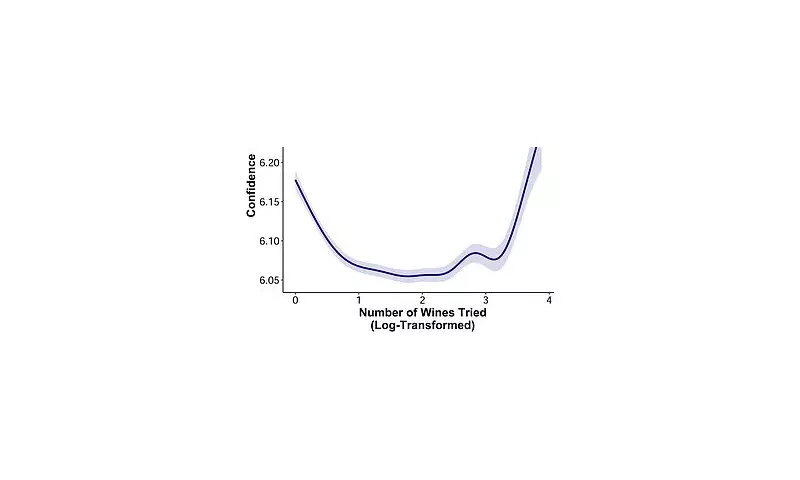
A comprehensive study has uncovered a fascinating pattern in how people learn about wine. Researchers found that novice wine reviewers tend to possess surprisingly high levels of confidence, which then plummets as they begin to properly educate themselves about vino.
The research, led by Matt Rocklage from Northeastern University in Boston, analysed tens of thousands of online wine reviews. The team tracked around 30,000 users on a tasting website, examining every note they posted between 2003 and 2012. By measuring the language used in these reviews, they could chart changes in the tasters' assertiveness over time.

The U-Shaped Journey of Wine Confidence
The analysis revealed a clear 'U-shaped' relationship between experience and confidence. Enthusiastic beginners often make bold, definitive statements about what they can taste. However, as they gain more experience, their language becomes notably less certain.
'They start to realise, 'This is more complex, more nuanced than I thought',' explained author Matt Rocklage. 'There are more things I need to know than I thought I needed to know. That's when you see language start to dip in confidence.'
Reviews began to incorporate hesitant phrases like 'I'm not sure' or 'It could be'. This dip, however, is not permanent. The study, published in the Journal of Marketing Research, shows that confidence eventually 'rebounds'. With substantial experience, people start using definitive language again, such as 'I definitely taste this'.
So, unless your friend is a certified connoisseur, they are probably calling your bluff. The researchers noted this same U-shaped confidence trajectory among consumers of beer and cosmetics, suggesting it's a common learning curve for complex consumer products.
How to Taste Wine Like a True Expert
For those looking to build genuine expertise, a structured approach is key. Wine connoisseur Caitlyn Rees outlines a five-step method:
- See: Examine the wine's clarity, intensity, and colour. A hazy appearance may indicate an unfiltered wine.
- Swirl: Gently swirl the glass to release the wine's aroma particles, enhancing the next step.
- Smell: Inhale deeply to detect scents and identify any potential faults.
- Sip and Savour: Take a mouthful, allowing the wine to coat your palate.
- Spit or Swallow: Let the wine drift over the back of your tongue to fully assess the flavour intensity before swallowing.
This research serves as a timely reminder that in the world of wine, as in many fields, a little knowledge can be a dangerous thing. True expertise is marked not by unwavering initial confidence, but by the humility gained through dedicated learning.