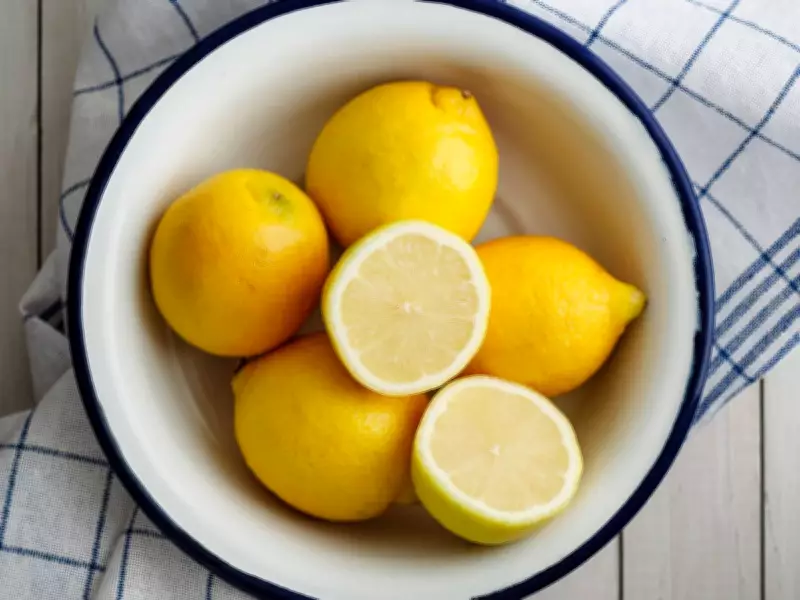
Switching up how you store your lemons could help them stay fresh for months rather than just a few weeks. Lemons are an incredibly versatile fruit, and most of us keep a supply in the kitchen for all manner of uses, from baking into cakes and enhancing the flavours of fish and chicken dishes to simply squeezing into water for a refreshing drink.
The Problem with Lemon Storage
The citrus fruit can even double up as a cleaning product. Placing lemon slices in water inside your microwave, oven, or kettle can help to loosen the grime that builds up on the insides of these appliances, saving you from hours of scrubbing away at limescale and stubborn food residue. The trouble is, because lemons are not typically peeled and eaten on their own, it is all too easy to buy a pack with every intention of using them, only to find they have shrivelled up and turned mouldy before you have had the chance. Like most fruits, lemons will not last long sitting in a fruit bowl on the kitchen counter. Fortunately, there is a clever food storage hack that can help you get far more out of your lemons.
The Water Storage Hack
Kate Lewis shared the trick on TikTok, describing it as so simple that she could not believe she had only just discovered it herself. All it takes is swapping out your usual fruit bowl spot for something a little less conventional. In her video, she explained: There is a way to keep your lemons and limes from going bad so fast. And it is simply storing them in water in the fridge. Kate always washes her lemons in a water-and-white-vinegar solution prior to storing them, in order to strip away the artificial wax coating. It is worth noting, however, that unwaxed lemons are readily available in UK supermarkets, so depending on which variety you have purchased, this step may not be necessary.

Once her lemons are clean, Kate fills a glass jar with water, drops them in, seals it tightly and places it in the fridge. She claims the lemons will keep up to four weeks using this method. Viewers who commented on the video were genuinely astonished by the hack, with many admitting they had no idea lemons could be stored in this way. One person said: I do this after seeing it on this app! Another added: Wow, I did not know! Brilliant.
Important Precautions
Before you rush to try this yourself, however, there are a few words of caution worth bearing in mind. Storing lemons in water can pose a risk of food poisoning if the storage conditions are not carefully maintained. Although lemon juice is highly acidic and naturally keeps many bacteria at bay, submerging whole or cut lemons in water does introduce the possibility of bacterial contamination, including Salmonella or Listeria, if basic hygiene is overlooked. To minimise these risks, thoroughly wash the lemons and keep them in clean, filtered water in the fridge. Replace the water every few days to prevent it from stagnating, and always discard any fruit that smells unpleasant. Avoid putting bare hands into the water. Instead, use clean tongs or utensils whenever you need to retrieve a lemon.

More Ways to Properly Store Lemons
Short-term storage (1 to 2 weeks)
- Store lemons at room temperature in a bowl or fruit basket on the kitchen counter. They may lose moisture and turn hard after a few days when stored this way, so they must be used quickly.
- Alternatively, you can place your lemons directly in the salad drawer of your fridge. This can help them stay fresh for around 2 to 3 weeks.
Long-term storage
- Refrigerate in a sealed plastic or silicone zip-top bag, pressing out as much air as possible before sealing. This method can help your lemons last up to four weeks.
- You can also freeze whole lemons, lemon juice or lemon zest, making your fruit last for several months.