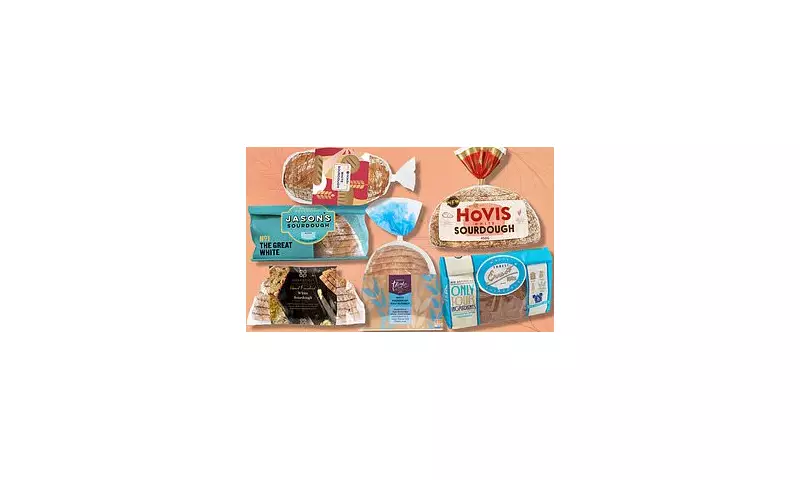
It has become the ubiquitous choice in cafes, artisan bakeries, and even the bread aisles of major supermarkets, adored by celebrities such as Taylor Swift and embraced by middle-class shoppers seeking a premium alternative to standard sliced loaves. Sourdough, with its ancient origins tracing back an astonishing 14,000 years, represents a culinary tradition built on simplicity: just flour, water, and a fermented starter culture of wild yeast and beneficial bacteria. This time-honoured process can take up to four days, yielding a loaf celebrated not only for its distinctive tangy flavour but also for its potential gut health advantages due to those live cultures.
The Rise of 'Sourfaux' on Supermarket Shelves
However, as the global sourdough market flourishes, valued at an estimated £2.5 billion, supermarkets and established bread brands have eagerly sought to capitalise on this trend. Tesco, Sainsbury's, Co-op, and Morrisons now prominently feature loaves marketed as 'hand-finished', 'stonebaked', and authentically crafted, often at prices significantly lower than those charged by specialist bakeries. Yet, a closer examination reveals that many of these products may be more accurately described as 'sourfaux' rather than genuine sourdough.
Traditional sourdough adheres strictly to its three core ingredients, but numerous supermarket versions incorporate a surprising array of additional components. For instance, Co-op's Irresistible Hand Finished White Sourdough includes rice flour along with sunflower and rapeseed oils, while similar offerings from Sainsbury's, Morrisons, and Tesco utilise comparable additives. These extra ingredients serve practical purposes: rice flour can enhance the crust's crunchiness, oils facilitate easier dough moulding and prolong softness, and ascorbic acids are frequently introduced to accelerate the baking process, reducing preparation time from days to mere hours.

Health Implications and Authenticity Concerns
The proliferation of these modified recipes raises important questions about health benefits and transparency. Authentic sourdough is often considered better for most individuals because its live cultures may support digestive health. In contrast, 'sourfaux' varieties, laden with up to 13 ingredients, might lack these advantages, potentially misleading consumers who purchase them for their purported wellness properties.
To assess how supermarket and brand offerings measure up against traditional standards, we scrutinised several popular products. The findings highlight a clear divide between those adhering to the classic recipe and those diverging from it.
Product Analysis: What Passes the Authenticity Test?
Sainsbury's Sourdough Medium Sliced White Bread, Taste the Difference
- Price: £2 for 400g
- Key Ingredients: Includes rapeseed oil, soya flour, and ascorbic acid
- Verdict: NOT AUTHENTIC. The presence of oil and ascorbic acid disqualifies it from traditional sourdough status.
Bertinet Bakery White Sourdough Bread
- Price: £2.25 for 500g at Waitrose
- Key Ingredients: Comprises various flours, water, and sea salt only
- Verdict: AUTHENTIC. It maintains the essential simplicity of the traditional recipe.
Morrisons The Best Stonebaked Sourdough Bloomer
- Price: £2.10 for 400g
- Key Ingredients: Contains rice flour and rapeseed oil
- Verdict: NOT AUTHENTIC. The inclusion of oil means it does not represent the real, traditional deal.
Co-op's Irresistible Hand Finished White Sourdough
- Price: £2.65 for 500g
- Key Ingredients: Features rapeseed oil, rice flour, potato starch, sunflower oil, and ascorbic acid
- Verdict: NOT AUTHENTIC. With oil and ascorbic acid, it strays from the traditional recipe. A Co-op spokesperson defended the product, emphasising its lack of yeast and acids and use of a traditional starter for authentic taste.
GAIL's San Francisco Sourdough
- Price: £4.95 for 650g at Ocado
- Key Ingredients: Limited to flours, water, and salt
- Verdict: AUTHENTIC. It upholds the classic composition.
Tesco Finest White Sourdough Loaf

- Price: £2 for 400g
- Key Ingredients: Consists of flours, water, sea salt, and natural extracts like barley malt
- Verdict: AUTHENTIC. It appears genuine when compared to traditional recipes.
Jason's Sourdough The Great White Bread
- Price: £2.20 for 450g
- Key Ingredients: Includes flour, salt, water, and fermented wheat flour
- Verdict: AUTHENTIC. It aligns with the fundamental ingredients.
Exceptional by ASDA White Sourdough Loaf
- Price: £2.44 for 500g
- Key Ingredients: Contains rapeseed oil and rice flour
- Verdict: NOT AUTHENTIC. Many experts argue that oil precludes it from being labelled as true sourdough.
Ocado White Sourdough
- Price: £2.25
- Key Ingredients: Incorporates rapeseed oil, soya flour, and ascorbic acid
- Verdict: NOT AUTHENTIC. The oil and ascorbic acid indicate it is not sourdough in the traditional sense. An Ocado Retail spokesperson contended that their product is authentic, citing its sole leavening agent as a naturally propagated sourdough culture, with oil not impacting this definition.
Duchy Organic White Sourdough
- Price: £2.50 at Waitrose
- Key Ingredients: Comprises flours, water, and salt
- Verdict: AUTHENTIC. It meets the traditional criteria.
Hovis Sourdough White
- Price: £2.10 for 450g
- Key Ingredients: Includes flour, salt, water, and fermented wheat flour
- Verdict: AUTHENTIC. It adheres to the essential components.
Celtic Bakers Organic White Sourdough Bread
- Price: £2.50 for 500g on Ocado
- Key Ingredients: Limited to fortified flour, water, rye flour, salt, and wholemeal wheat flour
- Verdict: AUTHENTIC. It follows the traditional recipe.
Ernest 450g Brace Welsh Sourdough White Bread
- Price: £2
- Key Ingredients: Consists of flour, water, salt, and fermented wheat flour
- Verdict: AUTHENTIC. It maintains the classic simplicity.
Navigating the Sourdough Aisle
This analysis underscores a significant disparity in the market: while some products faithfully replicate the ancient sourdough method, others incorporate numerous additives to streamline production and enhance shelf appeal. For consumers prioritising authenticity and potential health benefits, scrutinising ingredient lists becomes crucial. Look for loaves containing only flour, water, salt, and a starter culture, and be wary of those with oils, acids, or extra flours. As the sourdough craze continues to rise, informed choices can ensure you enjoy the real deal, not just a clever imitation.