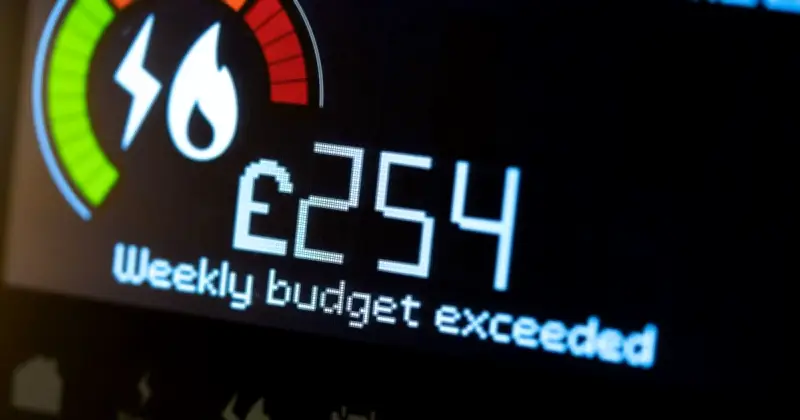
UK households on Economy 7 tariffs are being warned to check their smart meters when the clocks go back on Sunday, October 25, to avoid overpaying for energy. Experts from MoneySuperMarket Energy say a daylight savings-related issue could cause meters to be out of sync with supplier rates.
How the Clock Change Affects Economy 7 Tariffs
Economy 7 tariffs, also known as multi-rate or differential tariffs, offer two different energy rates depending on the time of day. A higher rate applies during peak hours, while a lower rate applies during off-peak hours, typically overnight, when energy can cost up to 50% less. Off-peak hours usually fall between around midnight and 7am, though the window varies by supplier.
Off-peak energy hours are set by suppliers and shift with the clocks. If the internal clock within a smart meter does not update, the rate the device thinks is being charged and the rate the supplier actually charges will be out of sync. This could mean appliances run during peak rate hours instead of cheaper off-peak hours, leading to higher bills.
Expert Advice and Tips for Households
Laura Hinton, an energy expert at MoneySuperMarket, said: “Most of us will be glad of the extra hour in bed when the clocks go back, but if you’re on an Economy 7 tariff, it’s also a reminder to double-check that your smart meter has updated correctly.” She added that if the meter hasn't moved back, the cheap rate window could end an hour earlier than expected, and appliance timers still on summer time could start running before the cheap rate kicks in.
MoneySuperMarket Energy shared four tips for Economy 7 customers: check the meter on October 25 to ensure it has gone back an hour; reset timers on appliances, storage heaters, and hot water timers; know off-peak hours by checking the supplier's website or contract; and check bills for signs of the meter being out of sync, reporting any issues to the supplier.
While most meters will switch automatically, a quick check costs nothing, and suppliers can usually update settings remotely or arrange an engineer visit if needed.