Shopping Centre Car Park Scams: Misleading Signs Lead to Unfair Fines
Drivers across the United Kingdom are facing a surge in unfair fines due to misleading signs in shopping centre car parks, with numerous reports highlighting scams that exploit unclear terms and hidden charges. This issue has sparked widespread concern among motorists and consumer rights groups, who argue that the practices are deceptive and financially burdensome.
How the Scams Operate
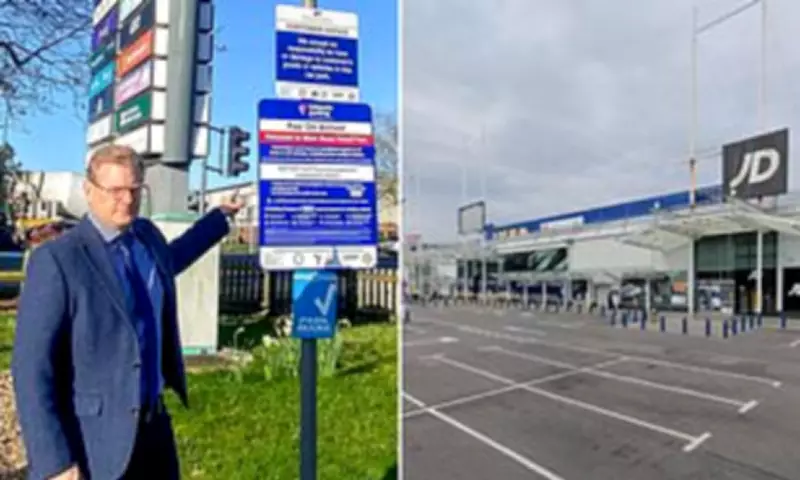
The scams typically involve car park operators using signs with ambiguous or poorly displayed information, such as small print, confusing symbols, or contradictory instructions. For example, some signs may state a time limit for free parking but fail to clearly indicate that registration is required, leading to fines for unsuspecting drivers. Others might have terms that are difficult to read from a distance or while driving, resulting in violations even when motorists attempt to comply.
In many cases, these misleading signs are placed in high-traffic areas of shopping centres, where drivers are often in a hurry and may not have time to scrutinise every detail. This creates a perfect environment for operators to issue fines, with some reports suggesting that the revenue from these charges is substantial. Consumer advocates have pointed out that the lack of standardised regulations for private car parks exacerbates the problem, allowing operators to set their own rules without adequate oversight.

Impact on Drivers and Consumer Response
The financial impact on drivers can be significant, with fines ranging from £60 to £100 or more, and additional fees if payments are delayed. Many affected individuals have shared stories of receiving penalty notices despite believing they had followed the rules, leading to frustration and financial strain. Some have reported that appealing the fines is a lengthy and often unsuccessful process, as operators rely on the complexity of their terms to justify the charges.
Consumer rights organisations, such as Citizens Advice and the RAC, have called for stricter enforcement of transparency in car park signage. They recommend that signs should be clear, concise, and visible from all angles, with no hidden clauses. There have also been calls for government intervention to standardise regulations across private car parks, ensuring that all operators adhere to fair practices and provide easy avenues for dispute resolution.
Legal and Regulatory Considerations
Currently, private car parks in the UK are governed by a mix of laws and codes of practice, but enforcement can be inconsistent. The British Parking Association (BPA) and the International Parking Community (IPC) have codes of conduct for their members, but not all operators are affiliated, leaving gaps in accountability. Recent cases have seen some drivers successfully challenge fines in court, arguing that the signs were not reasonable or prominent enough to form a valid contract.
Experts suggest that drivers should always take photos of car park signs and their vehicles when parking, as evidence can be crucial in appeals. Additionally, checking online reviews or forums for specific shopping centres can provide warnings about problematic car parks. As the issue gains media attention, there is growing pressure on local councils and policymakers to address these scams and protect consumers from unfair financial penalties.
In summary, the rise of misleading signs in shopping centre car parks represents a significant scam affecting UK drivers, with calls for better regulation and transparency to prevent further exploitation. Motorists are advised to stay vigilant and seek advice if they receive questionable fines.