A Sainsbury's customer in London has described feeling like a "criminal" after being wrongfully ejected from a supermarket due to a facial recognition error. The incident, which occurred at the Elephant and Castle store, has ignited a fierce debate over the use of biometric surveillance in retail environments.
Mistaken Identity Leads to Public Humiliation
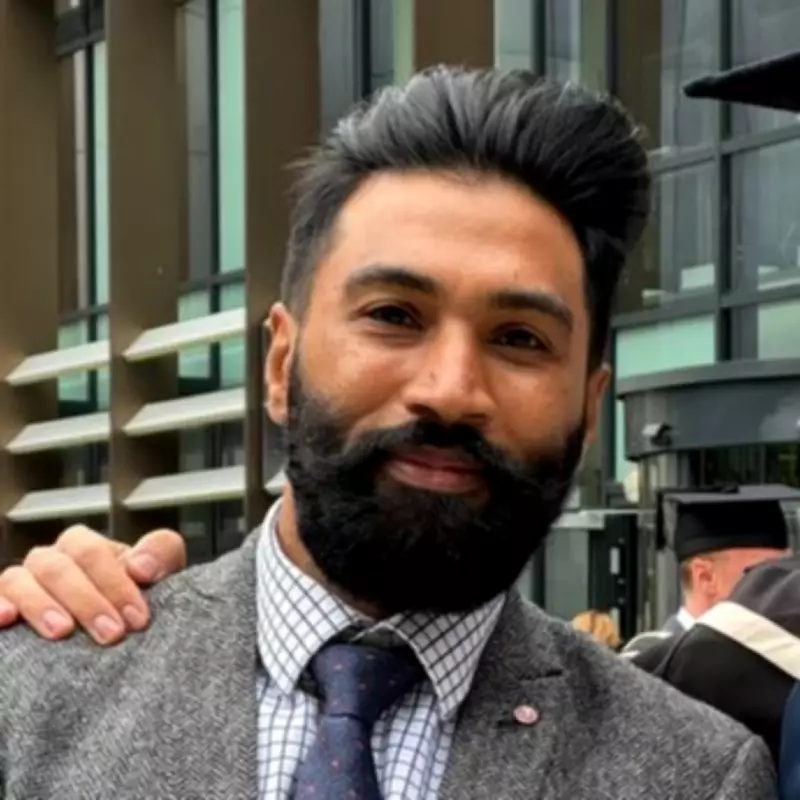
Warren Rajah, a 42-year-old data strategist, was shopping at his local Sainsbury's on January 27 when staff abruptly approached him and demanded he leave the premises. According to Mr Rajah, employees pointed to signage indicating the store used facial recognition technology but provided no immediate explanation for his removal. He was forced to abandon his shopping and exit the store, leaving him distressed and confused.
"You feel horrible, you feel like a criminal and you don't even understand why," Mr Rajah recounted. "To tell you to leave the store without any explanation gives you the impression that you've done something wrong. If you speak to anyone in the public, that is what they will tell you - when you've been forced and excluded from an environment, you automatically think you've done something wrong, especially with security. That's just a normal human response."

Technology Versus Human Error
Subsequent investigation revealed that Mr Rajah had been mistaken for another individual who was present in the supermarket and flagged as an offender in the Facewatch database. Facewatch is the facial recognition system deployed by Sainsbury's across seven of its stores as part of efforts to combat rising retail crime. Both Sainsbury's and Facewatch confirmed the technology itself functioned correctly, attributing the incident to human error by store staff who approached the wrong customer.
After being ejected, Mr Rajah contacted Facewatch directly to challenge the decision. He was required to submit a copy of his passport and a personal photograph before the company verified he was not on their database and had not triggered any alerts. Sainsbury's later apologised to Mr Rajah and offered him a £75 shopping voucher as compensation, though he stated he now has "no interest" in shopping with the chain again.
Broader Implications for Privacy and Civil Liberties
The incident has drawn sharp criticism from privacy advocates who warn of the dangers posed by widespread facial recognition deployment. Jasleen Chaggar of Big Brother Watch described the episode as "deeply chilling," noting that "the idea that we are all just one facial recognition mistake away from being falsely accused of a crime or ejected from a store without any explanation is deeply chilling."
Mr Rajah echoed these concerns, labelling the experience "borderline fascistic" and questioning how individuals can be excluded from public spaces without proper explanation or recourse. He emphasised the psychological impact of such encounters, where innocent people are left traumatised by automated systems that lack transparency.
Regulatory Oversight and Industry Response
The Information Commissioner's Office (ICO) has reiterated that while facial recognition technology can help retailers prevent crime, its use must comply with data protection laws. An ICO spokesperson stated: "Retailers should carefully consider the risks of misidentification and have robust procedures in place to ensure the accuracy and integrity of the personal information they collect and process. This is especially important where personal information is used in situations which can have a serious impact on a person."
Sainsbury's defended its use of the technology, explaining that the system generates alerts based on criminal behaviour reported by the store or other retailers using Facewatch nearby. The supermarket chain stressed that "every alert is reviewed by trained colleagues before any action is taken," though this safeguard failed in Mr Rajah's case due to staff misidentification.
A Facewatch spokesperson expressed regret over the incident, confirming that their data protection team followed standard procedures to verify Mr Rajah's identity and clear his name. However, privacy campaigners argue that requiring innocent individuals to submit personal documents to rectify errors creates additional burdens and risks.

Growing Concerns Over Biometric Surveillance
This case highlights increasing tensions between retail security measures and individual privacy rights. As shops across the UK adopt facial recognition to address shoplifting and other crimes, incidents of misidentification raise questions about the technology's reliability and ethical implications. Big Brother Watch reports regularly receiving complaints from members of the public who feel traumatised after being wrongly caught in what they describe as "privatised biometric surveillance nets."
The debate extends beyond retail settings, with police forces also expanding their use of facial recognition cameras on British streets. Critics warn of a "wild west" approach to surveillance that could undermine civil liberties without delivering proportional security benefits. As Mr Rajah's experience demonstrates, even isolated errors can have significant personal consequences, eroding public trust in both technology and the institutions that deploy it.