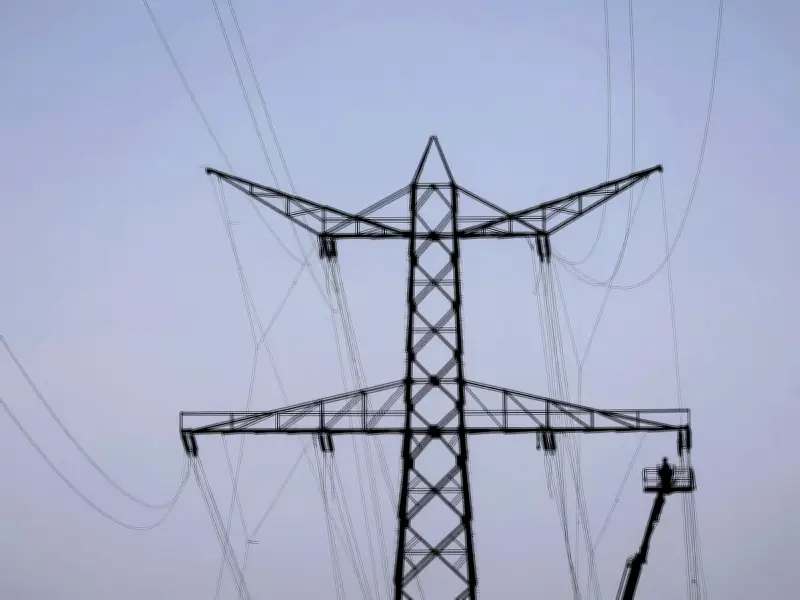
Households living within 500 metres of new or upgraded pylons in Scotland are set to receive £2,500 off their electricity bills over ten years, with discounts paid every six months. The payments form part of the UK Government's Bill Discount Scheme, unveiled on Wednesday.
Eligible Projects and First Wave
The Energy Department (Desnz) announced 43 projects expected to fall within the scheme's scope, with almost two thirds located in Scotland. Beneficiary areas span from the Highlands to the South of England. The first wave will be at the Emmock substation in north east Scotland.
Minister's Statement
Energy minister Michael Shanks said the payments were intended to ensure communities hosting the infrastructure directly benefited from the UK's electricity grid upgrades. He stated: "Upgrading Britain's electricity grid is a vital part of how we deliver secure, homegrown energy and unlock economic growth across the country."
Shanks added: "Scotland is playing a central role in the UK's energy transition, and as we build the modern grid needed to harness that power, it is only right that local families living alongside new pylons see real, direct savings on their electricity bills." He encouraged households across Scotland to check if they qualify for a discount.
Grid Upgrade and Ofgem's Role
The UK Government says the country's electricity grid, much of which was built in the 1960s, needs upgrading to connect new sources of electricity generation, strengthen energy security, and help create a more affordable energy system.
Neil Lawrence, Ofgem's executive director for delivery and schemes, said: "Communities that host new electricity transmission infrastructure are playing a vital role in delivering the cleaner, more secure energy system Britain needs. The Bill Discount Scheme will help ensure eligible households living near these projects see a direct benefit through discounts on their energy bills."
Lawrence added that Ofgem's role as scheme administrator is to ensure payments are delivered effectively, fairly and transparently, and that the organisation looks forward to working with government, suppliers, and transmission owners to prepare for payments.