Holidaymakers have been advised to carry out amateur detective work to ensure they do not book into fake accommodation this summer, as research showed a third of travellers had seen an increase in potential travel scams on social media.
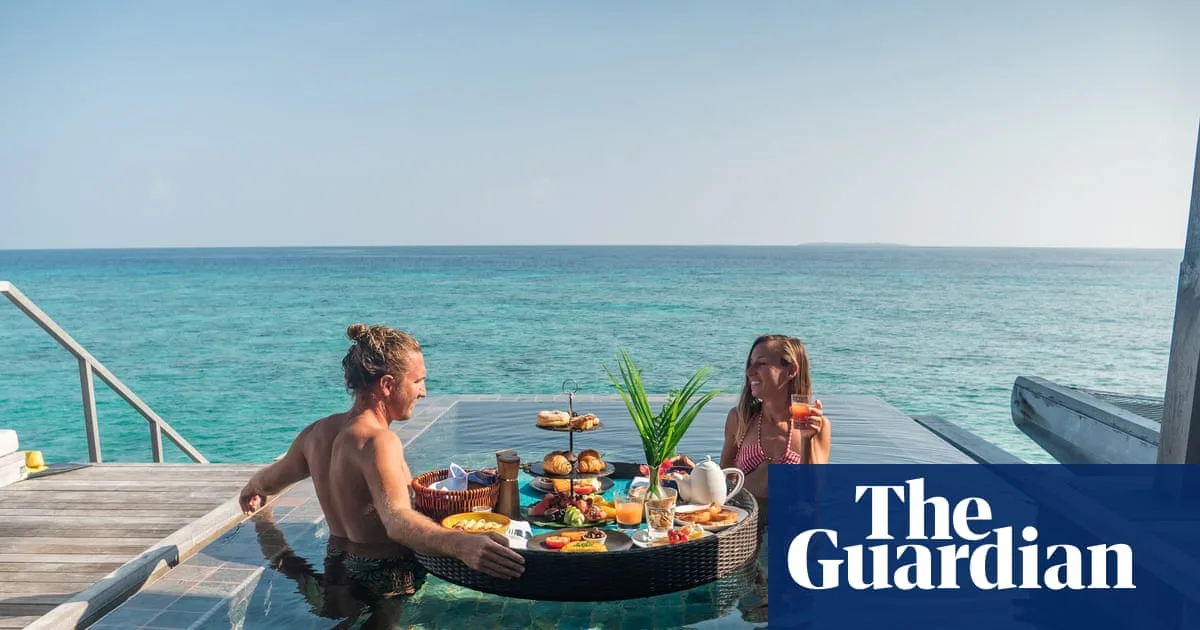
Consumer experts have urged holidaymakers to do a reverse image search on photographs of holiday homes and check their locations on an online map to verify they are real. People may be booking in a hurry this year as many have left it later than usual because of uncertainty around the impact of the Iran war, increasing the risk of falling victim to an online or telephone scam.
Some of those caught up in flight cancellations and delays at the start of the Iran war have already been victims of scams. As well as fake holiday accommodation or flights, people may also be offered tours that do not exist, while scammers sometimes copy photographs from legitimate websites and often ask for bank transfers.
George Ralchev, head of risk at payment service provider emerchantpay, which commissioned the research, said holidaymakers were being targeted by social media scammers “looking to take advantage of the peak travel season”. Seven in 10 people said they were wary of promotional emails related to holidays because of potential scams, according to the survey carried out by Opinium in May among 2,000 people in the UK.
Two-fifths of holidaymakers said they changed their behaviour while on holiday because of financial safety concerns. Half now prefer to book holidays with online or high street travel businesses if they clearly explain how they are protecting consumers from fraud. One woman scammed out of £6,500 while trying to book a Greek holiday villa previously told the Guardian that she had begged her bank to halt the money transfer, only to be told by staff that there was nothing they could do.
To help avoid scams, people could do research to check that a destination actually exists, look for independent reviews and check website links, emerchantpay said. Holidaymakers may also want to check whether the company involved is a member of Abta, a trade association for UK travel agents, tour operators and the wider travel industry. People booking package deals with a flight could also check if they are covered under the Air Travel Organisers’ Licensing (Atol) financial protection scheme.