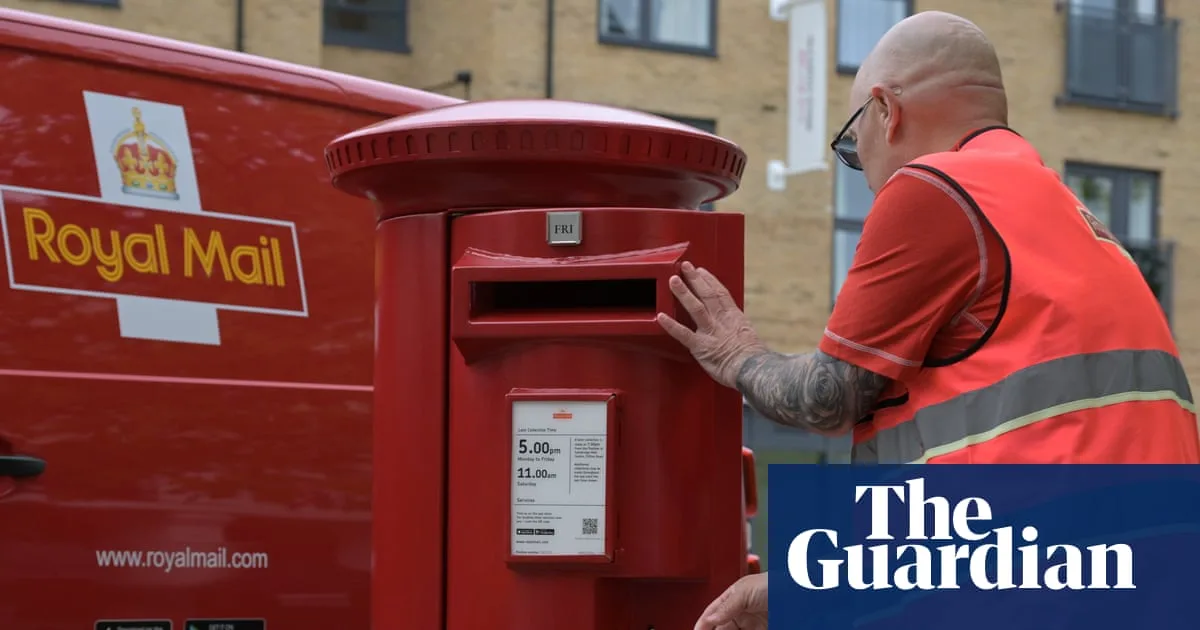
Royal Mail has been criticised for announcing another increase in stamp prices, despite failing to meet delivery targets. From 7 April, the cost of a first-class stamp will rise by 10p to £1.80, while second-class stamps will increase by 4p to 91p. The company blamed the price rises on the rising cost of delivering letters and a decline in mail volumes.
Richard Travers, managing director of letters at Royal Mail, said: 'There are 70% fewer letters sent than 20 years ago. In the meantime, the number of addresses we deliver to has increased by 4 million to 32 million across the UK.' However, Citizens Advice criticised the move, with head of policy Anne Pardoe stating that the price of stamps 'can't be treated as a dial that is turned up without a clear justification for consumers, forcing people to dig deeper into their pockets for a failing service'.
In autumn 2024, Ofcom fined Royal Mail £21m for missing its annual delivery targets, the third such fine. The charity noted that the price of a first-class stamp has risen 137% since 2020, while second-class stamps have increased by 40% over the same period. Pardoe added: 'More than half a decade has gone by since the company met its delivery targets and people still face a gamble, with many uncertain if their important documents or letters, like medical appointments, will arrive on time.'
Following the £3.6bn takeover of Royal Mail's owner by Czech billionaire Daniel Křetínský, Ofcom allowed the company to loosen its universal service obligation. From next month, Royal Mail will only be required to deliver second-class post on alternate weekdays, and delivery targets have been lowered: 90% of first-class mail within one working day (down from 93%) and 95% of second-class mail within three days (down from 98.5%).
Pardoe warned that 'things only risk getting worse when cuts to delivery days and reduced performance targets come into full effect', and called on Ofcom to stop approving price increases without higher standards. Citizens Advice also reported that Royal Mail delivered Christmas letters and parcels late to about 16 million people.