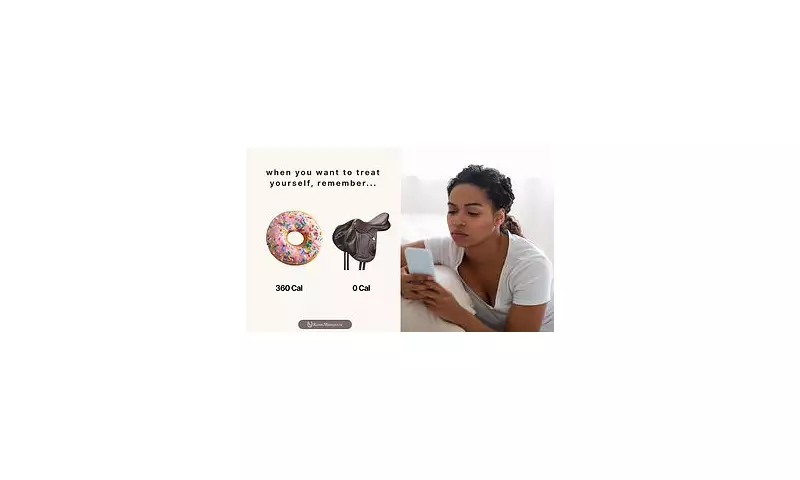
A leading equestrian retailer has faced a fierce public backlash after a Christmas promotional post on social media was accused of promoting divisive and unhealthy attitudes towards food.
Calorie comparisons spark outrage
Riding Warehouse, a popular seller of horse riding apparel and equipment, shared a multi-slide post to its Instagram feed with the caption 'When you want to treat yourself, remember...'. The post displayed images of popular festive treats—including hot chocolate, cookies, seasonal coffees, and doughnuts—alongside their corresponding calorie counts.
Next to each snack was a picture of a Riding Warehouse product, such as cowboy boots or a saddle pad, labelled with 'zero calories'. The accompanying text encouraged followers to 'treat yourself to something nice this season', suggesting they opt for 'horsey' items over sweet snacks to curb cravings.

Social media users condemn 'distasteful' message
The post was swiftly condemned by users who felt it sent a harmful message about food and body image. One commenter stated, 'Just a reminder to anyone viewing this post that food is not a reward, it's a necessity.'
Another criticised the brand directly, writing, 'Hi, this is incredibly distasteful! And not funny! And is not a playful holiday comparison!' Many highlighted the sensitive nature of body image within the equestrian community, with one person noting, 'In an industry where body image is already a huge point of contention, let's go ahead and tell people to skip treats. Gross.'
Further criticism focused on the post potentially exacerbating societal shame around food, with a user sharing, 'Oof huge miss, generating even more shame around food than society already has.'
Brand apology and wider context
In response to the outcry, Riding Warehouse issued a comment apologising for the misstep. 'Our intention was playful holiday humour, but we understand it may not resonate that way for everyone,' the brand wrote. 'We truly appreciate your feedback and will keep it in mind moving forward.'
The incident occurs against a backdrop of established research linking social media use to eating disorders. According to the Eating Recovery Center, individuals who spend more than three hours a day on social platforms are twice as likely to develop an eating disorder compared to those with less screen time.
A separate study found that half of participants had changed their diet because of a social media post, while 48% felt judged over their food choices due to content seen online.