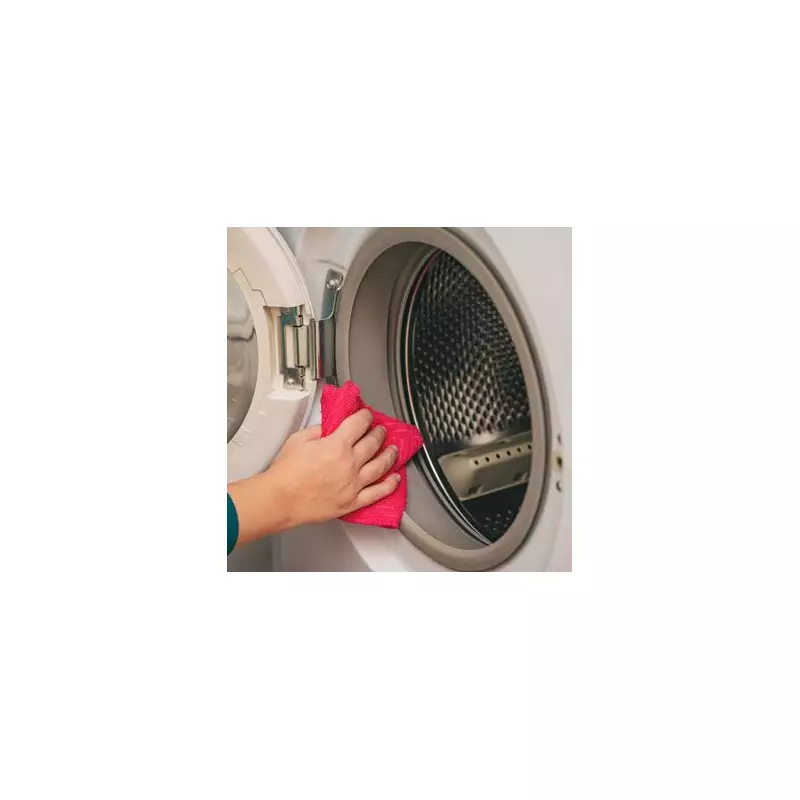
Many UK households are battling an unexpected enemy hiding within their washing machines – black mould. This persistent fungus thrives in the damp, warm environment of your appliance, particularly targeting rubber seals and detergent drawers.
Why Mould Loves Your Washing Machine
Mould develops in washing machines due to a perfect storm of moisture, warmth, and organic matter like detergent residue and dirt. The problem typically concentrates around the door seal and detergent drawer, creating not just an unsightly appearance but also producing musty odours that transfer to your laundry.
The Surprising Power of White Vinegar
Cleaning specialists at CleanseForceUK recommend using white vinegar as your primary weapon against washing machine mould. Astonishingly, vinegar proves more effective than bleach for this task because it penetrates porous materials to kill mould at its root, whereas bleach only treats surface spores.

Despite online warnings about vinegar damaging washing machines, these claims lack substantiation from studies or hard evidence according to Express reports. While leaving concentrated vinegar on surfaces for extended periods could cause issues, using diluted vinegar in cleaning routines has been safely practised for decades without damaging appliance workings or gaskets.
Your Three-Step Mould Removal Process
Step 1: Clean the rubber seal
Begin by creating a solution of water and white vinegar. Using a soft cloth or old toothbrush, thoroughly scrub the rubber seal around your washing machine door. Pay special attention to folds and crevices where mould commonly lurks. Rinse completely with clean water and dry with a cloth.
Step 2: Address the detergent drawer
Remove the detergent drawer and soak it in a mixture of hot water and white vinegar. Scrub away visible mould with a brush, rinse thoroughly, and dry completely before returning it to the machine.
Step 3: Run a hot wash cycle
After cleaning the rubber seal and detergent drawer, set your washing machine to its highest temperature cycle (60 degrees or above) for an empty wash. Add one cup of white vinegar directly to the drum to eliminate any remaining mould spores and dissolve stubborn detergent residues.
This straightforward three-step process using a single natural ingredient can effectively restore your washing machine to optimal condition, ensuring it cleans your clothes properly without transferring mould or unpleasant smells.