The Independent's journalism is supported by our readers. When you purchase through links on our site, we may earn commission.
How Queueing Turned Cool and Ruined a Nice Day Out
In our modern, fast-paced world, we demand instant gratification across nearly every aspect of life. From next-day sofa deliveries to rapid supper services, patience has become a rare commodity, with delayed satisfaction often viewed as outdated and inconvenient. Whether it's rapid weight loss treatments or luxury beauty procedures, if results aren't immediate, many consider the effort scarcely worthwhile. Yet there exists one fascinating exception to this contemporary impatience: The Queue.
The Transformation of British Queueing Culture
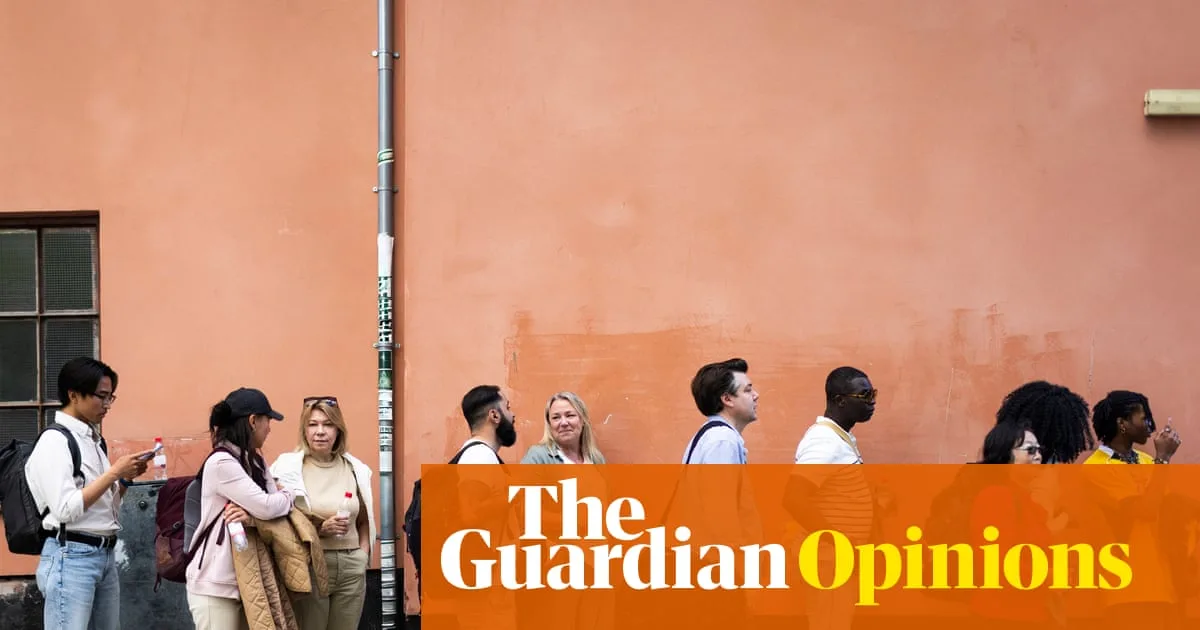
Once considered the domain of older generations and mundane necessities, queueing has undergone a remarkable transformation into a trendy social phenomenon. What was once associated with bus stops and supermarket checkouts has become a status symbol, with serpentine lines now snaking away from fashionable bars on Friday evenings and gathering outside sought-after bakeries on Sunday mornings. This new queueing culture has made what should be relaxed days out increasingly challenging across Britain's urban centres.
London's Soho: The Birthplace of Queue Chic
London's vibrant Soho district emerged as the epicentre of this queueing revolution around 2018, when skate brands like Supreme began generating hype around limited-edition streetwear releases. These exclusive drops prompted hordes of young enthusiasts to form lengthy queues, hoping to secure logo-emblazoned hoodies and caps. Beyond the merchandise itself, participants discovered an unexpected sense of community among fellow shoppers in line.
This competitive shopping practice soon migrated to luxury retail, with designer outlets adopting similar queueing strategies. At the prestigious Gucci flagship store on Bond Street, peak times regularly see queues of ten people or more waiting patiently outside. Meanwhile, Cartier maintains its exclusive image with sophisticated red rope barriers featuring gold hardware to manage their waiting lines. Increasingly, it's the queue itself that generates social capital and signals that something exciting awaits, sometimes even surpassing the importance of the branded items inside.
The Hospitality Industry Embraces the Queue
The fashion-led queueing phenomenon has thoroughly infiltrated Britain's hospitality sector, where lines outside popular establishments have transformed from inconvenient happenstance to integral parts of the experience. Trendy pastry destination Jolene, with locations in Stoke Newington, Islington and Shoreditch, almost invariably features a 30-minute queue snaking outside, with patrons eagerly awaiting fresh rye bread and glazed chocolate doughnuts. The absence of such a queue would now suggest the establishment had, to use contemporary terminology, entered its "flop era."
Pandemic Influences and Generational Divides
The COVID-19 pandemic has further complicated Britain's queueing landscape. Young people who came of age around 2020 became so conditioned by two-metre social distancing measures that many now lack experience with the traditional jostling at crowded bars. By 2024, some UK pubs felt compelled to display signs discouraging customers from forming orderly queues, arguing that such lines obstructed staff and diminished the venue's atmosphere.
This anti-queue sentiment found expression through the Instagram account Pub Queues, which documented examples and campaigned against the practice. "We queue for the bus, or for the checkout, not at bars," declared its perturbed bio. Contrastingly, Wetherspoons briefly implemented mandatory bar queuing last year to assist Gen Z customers and employees unaccustomed to traditional bar scrums. The policy faced such significant backlash from older patrons that it was reversed within weeks, with founder Sir Tim Martin declaring individual pubs should determine their preferred approach.
Public Opinion and Viral Queues
Despite vocal opposition from queue critics, a YouGov survey revealed that 40 percent of British adults actually prefer single-file queues when ordering at bars. This suggests that, contrary to the loudest complaints, changing social norms around queueing might align with broader public preferences for order over urgency.
Britain's queueing culture has been dramatically amplified by social media platforms like Instagram and TikTok, where influencer accounts such as @eatingwithtod and @topjaw can transform dining establishments into viral sensations overnight. In 2019, research indicated Britons spent approximately 47 days of their lives queueing—a figure that has undoubtedly increased post-pandemic thanks to social media's queue-generating power.
The 2022 viral phenomenon surrounding Binley Mega Chippy perfectly illustrates this dynamic. The West Midlands chip shop experienced unprecedented queues after a catchy song about the establishment circulated online. "I have no idea what happened," remarked shop owner Kamal Gandhi at the time. "Thursday it started to get busy, and I noticed people out the front taking pictures. I was just like, 'What are people doing?'" One teenage visitor told reporters: "I'm not normally a fish and chip person, but for Binley Mega Chippy I had to have some," leaving regular patrons thoroughly baffled by the sudden attention.
Gatekeeping and Queue Psychology
The capacity for establishments to go viral overnight has prompted the rise of "gatekeeping"—the practice of keeping favourite spots secret to avoid queues and maintain accessibility. When social media can create cult followings within hours, it's understandable why those opposed to waiting 40 minutes for dinner might choose strategic silence. "Doesn't matter if it's a beautiful waterfall or a small coffee shop, what makes it nice is that it isn't crowded or widely known," one Reddit user commented. "I'm sick of seeing comments saying to not gatekeep things. I think everyone should do it more." Restaurant owners, naturally, tend to disagree with this perspective.
Generational Attitudes Toward Queue Etiquette
Recent research sheds light on how different generations approach queueing frustrations. A study published last summer by booking company American Holidays found that while 73 percent of Britons consider queue-barging peak rudeness, over half (52 percent) of Gen Z believe pushing in is acceptable. A striking 19 percent of 18-29 year olds admitted they wouldn't think twice about cutting in line, compared to just five percent of those over sixty. This generational divide suggests traditional queueing etiquette faces significant challenges from younger demographics who view rules more flexibly.
As queues continue to proliferate across British high streets and hospitality venues, Gen Z's expectations, tolerance, and even enjoyment of waiting in line appear to be increasing. For many young people, as long as the queue is moving steadily toward the goal, the experience becomes part of the adventure—a determined effort to gain entry and subsequently share the achievement online. Whether this represents a temporary trend or permanent shift in British social behaviour remains to be seen, but one thing is certain: the humble queue has been thoroughly transformed from mundane necessity to cultural phenomenon.