Private Parking Ticket Rights: What Motorists Need to Know
Every year, millions of motorists across the UK find themselves grappling with the financial burden of private parking tickets. In the 12-month period leading up to September 2025, data reveals a staggering 15.9 million parking tickets were issued by private firms, marking a 17% increase from the 13.6 million recorded in the previous year. This surge highlights the growing prevalence of private parking enforcement and the urgent need for drivers to understand their rights.
Euro Car Parks Fined £473,000 by Regulators
In a significant development, one of the UK's largest private car park operators, Euro Car Parks, was fined £473,000 by the Competition and Markets Authority (CMA) on Friday. The penalty was imposed after the company failed to respond to seven requests for information over three months, despite attempts via registered post, email, and hand-delivered letters. Euro Car Parks, which issued 1.9 million penalty tickets to motorists in a single year, faced accusations from drivers of unfairly demanding money for alleged rule infringements. The CMA noted that the firm only responded after being informed of the proposed fine.
Understanding the New Single Code of Practice
To address inconsistencies in private parking enforcement, a new Single Code of Practice was introduced in June 2024 by the British Parking Association (BPA) and the International Parking Community (IPC), the UK's two Accredited Trade Associations for parking. This code establishes essential rules that registered private car parks must follow, although not all firms are signed up to these organisations. Firms that are not members do not have to adhere to the Code of Practice, but they also lack the authority to obtain driver address details from the DVLA.

Key provisions of the new code include:
- An Appeals Charter that outlines clear parameters for motorists to challenge parking charges.
- A mandatory 10-minute grace period for drivers.
- Consistent rules for private parking operators to ensure fairness.
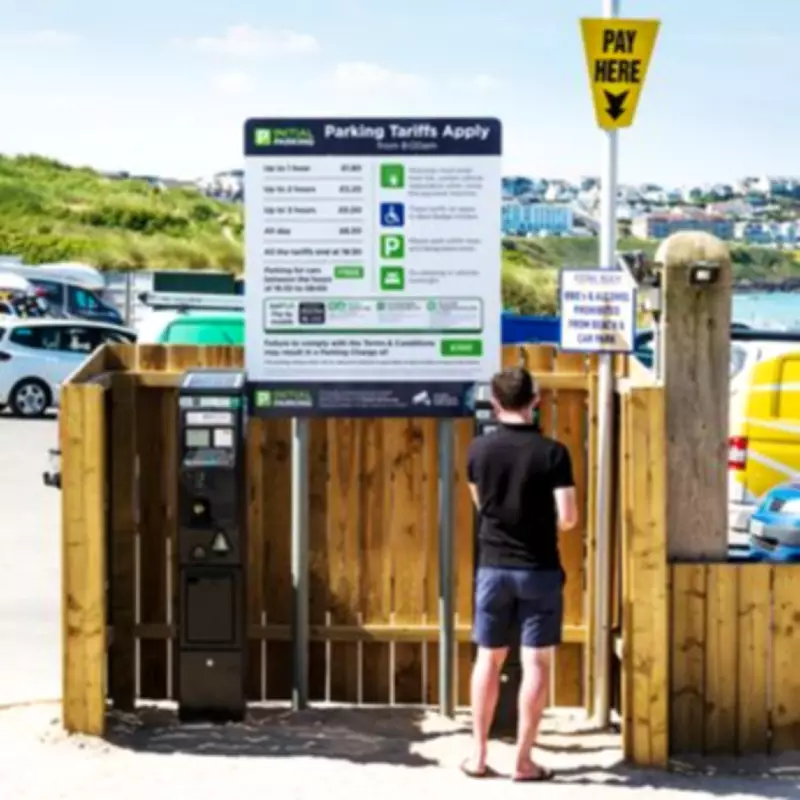
- Requirements for clear signage to help motorists navigate parking on private land.
- Protections for vulnerable individuals, with no reduction in penalties for misuse of Blue Badge bays or selfish parking.
- A cap on parking charges at £100, reduced to £60 if paid within 14 days.
Private Parking Operators were required to implement this code by October 1, 2024, with all existing sites needing updates by December 2026.
What Is a Private Parking Ticket?
It is crucial to distinguish between different types of parking tickets. Tickets issued by public bodies, such as local authorities or the police, are classified as Penalty Charge Notices, Excess Charge Notices, or Fixed Penalty Notices, which constitute fines. In contrast, a Parking Charge Notice issued for parking on private land is not a fine; consumer expert Martin Lewis describes it as "an invoice."
Steps to Take If You Receive an Unfair Ticket
If you believe you have been unfairly issued a ticket in a private car park, Citizens Advice recommends several steps. First, check if the parking company is a member of an Accredited Trade Association (ATA) by visiting the BPA or IPC websites or calling the BPA at 01444 447 300. If the company is not an ATA member and placed the ticket on your car, avoid contacting them unless they write to you first, as they may not have legal access to your DVLA details.
If you receive a ticket in the post from a non-ATA member, they may have obtained your address illegally. In such cases, you can complain to the DVLA by writing to the Data Sharing Strategy and Compliance Team in Swansea.
For companies registered with an ATA, find their contact details on the BPA or IPC websites or the Parking Charge Notice. Write to the company using the Citizen's Advice template letter, including evidence such as:

- A valid pay and display ticket.
- Photos of unclear or misleading signs.
- Witness statements from companions.
- Repair notes for breakdowns.
- Permission from the landowner.
- For hospital tickets, a note on headed paper confirming appointment delays.
Appealing to an Independent Service
If the parking company is an ATA member, you can appeal to an independent appeals service at no cost. For BPA members, use the Parking on Private Land Appeals (POPLA) within 28 days of an informal appeal rejection. For IPC members, appeal to the Independent Appeals Service within 21 days for free, or within one year with a £15 fee after that period. Include all supporting evidence to strengthen your case.
What If Your Appeal Is Rejected?
If your formal appeal is rejected or you cannot appeal, you may choose to let the parking company take you to court. Be aware that losing in court could result in paying the fine, which may have increased, along with potentially expensive court costs. However, if you win, you will not have to pay the fine, and the parking company might cover court costs. Alternatively, consider paying the ticket to avoid further risks.
Reporting Unfair Practices
If you believe your ticket was unfair, report the parking company to Trading Standards by contacting the Citizens Advice consumer service. This step can help address broader issues in the private parking sector and protect other motorists from similar experiences.