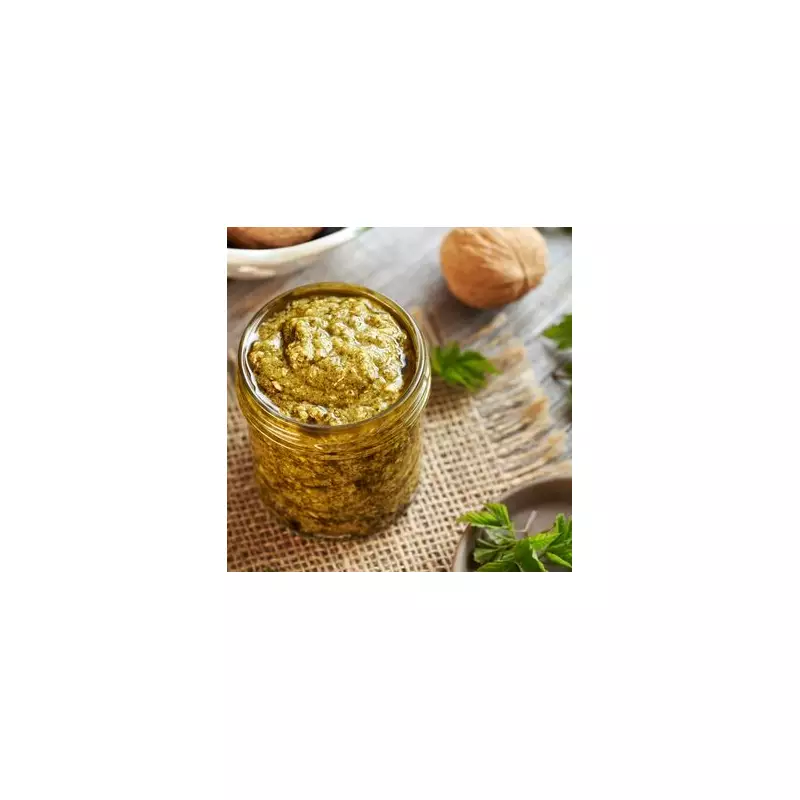
For countless households across the UK, a jar of pesto is a kitchen essential, providing the perfect solution for a quick pasta dish or a flavourful salad dressing when time is short. However, a stark new health warning has been issued that could affect anyone who regularly purchases this popular condiment from supermarket shelves.
Consumer Champion Sounds Alarm on Pesto Storage
Consumer advocacy group Which? has raised serious concerns about how people are storing their favourite sauces and condiments, with pesto highlighted as a particular risk. Their investigation has revealed that unsafe storage methods could be putting consumers in genuine danger, a finding that demands immediate attention from the public.
The Critical Refrigeration Rule
According to the experts, there is one non-negotiable rule for pesto once the jar is opened: it must be refrigerated and consumed within two weeks. This is not merely a suggestion for optimal flavour but a crucial food safety measure. The specialists explain that the nuts within pesto can develop mould that produces toxic compounds known as mycotoxins.

Among these is aflatoxin, a dangerous bacteria that can cause serious, long-term liver damage. The insidious nature of these toxins lies in their invisibility; you cannot see them, meaning you would have no way of knowing if they were present in your food or if you had already consumed them.
Why Green Pesto Poses a Special Challenge
The classic green pesto, a staple in pasta dishes, marinades, and dressings, presents a unique problem. Its vibrant colour and texture make spotting any mould growth incredibly difficult, if not impossible. This visual camouflage means consumers cannot rely on sight alone to judge the safety of the product.
Experts are urging people not to take any chances. Refrigeration after opening remains the single most effective method to keep pesto safe and preserve its freshness. The guidance is clear and unambiguous for this beloved condiment.
Broader Condiment Storage Guidelines Revealed
The warning from Which? extends beyond pesto, forming part of a wider guide on condiment storage. Their research, including a 2020 poll, found that more than a third of people never check the storage instructions on their food products, despite manufacturers being legally required to provide this information.
For other condiments, the rules vary:
- Must be chilled after opening: Mayonnaise, maple syrup, and salad cream should all be refrigerated once opened to maintain the best flavour and safety.
- Safe at room temperature: Items such as honey, ketchup, vinegar, and brown sauce are perfectly fine to keep in a kitchen cupboard.
Understanding Date Labels
The Food Standards Agency offers further guidance on food safety. While a 'best-before' date relates to quality and it may be possible to detect spoilage past this point, a 'use-by' date is critically different. You must never consume any food product past its 'use-by' date, as this is strictly concerned with safety, not merely taste or texture.
This comprehensive alert serves as a vital reminder that convenience foods require careful handling. The distinctive, nutty taste of pesto may be hard to beat for a quick meal, but ensuring it is stored correctly is essential for protecting your health from unseen dangers.