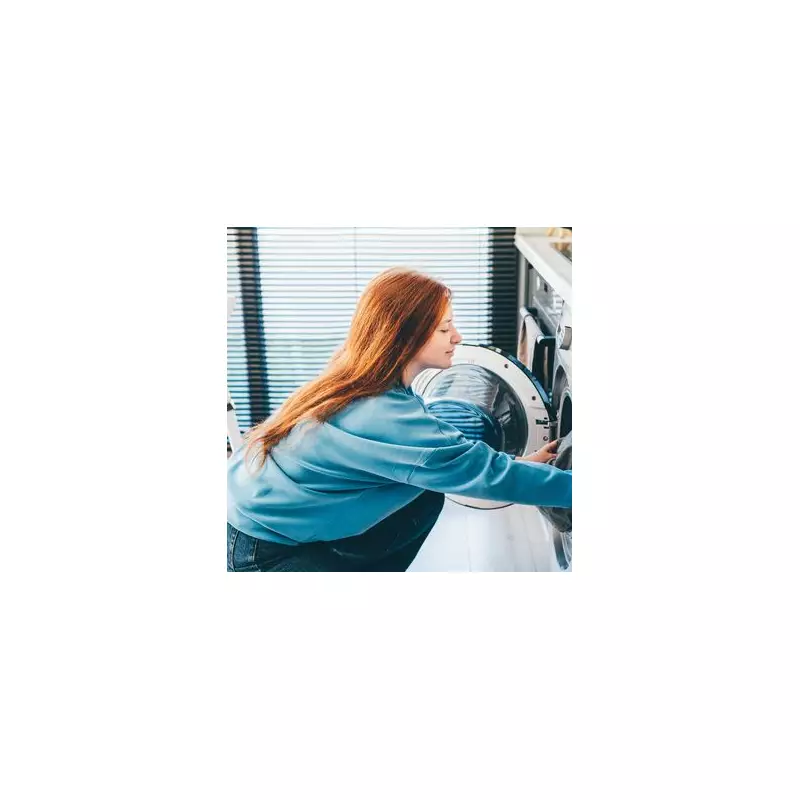
We rely on our washing machines to leave our clothes clean, fresh, and free from stains. Yet, a surprising number of households are battling a persistent problem: laundry that comes out smelling damp and musty, even after a full cycle. The culprit is often mould growing inside the appliance itself, and it's frequently caused by one common oversight.
The Simple Daily Habit That Fights Mould
While many people know to run an occasional cleaning cycle with a dedicated washer cleaner, this addresses only part of the issue. According to a viral social media tip, a much simpler daily action is key to keeping your machine fresh. The advice, shared by a user named Blue on TikTok, centres on a critical error: immediately closing the washing machine door after a cycle ends.
Blue explained that front-loading machines are designed to be airtight to prevent leaks. However, residual water often remains trapped in the rubber door seal or at the bottom of the drum. "If you're then closing [the door], you're literally locking all that moisture in there," he stated. This creates the perfect dark, damp environment for mould and bacteria to thrive, which then transfers onto your clothes.

How to Properly Maintain Your Washer
The solution is remarkably straightforward. You should leave the washing machine door and the detergent drawer open after every use. This allows air to circulate and moisture to evaporate completely, drastically reducing the chance of mould taking hold. Blue emphasised that the door should really only be shut when the machine is actually in use.
He also recommended going a step further by wiping down the rubber seal after each wash to remove any lingering water droplets. For those serious about mould prevention, removing the detergent drawer entirely to let it air dry is an effective extra step.
Your Step-by-Step Guide to a Deep Clean
While leaving the door open is a powerful preventive measure, your machine still needs a periodic thorough clean. Always consult your appliance's manual first, but the following general steps will help eliminate built-up grime, limescale, and any existing mould.
1. Clean the Detergent Drawer:
- Remove the drawer (check your manual for instructions).
- Soak it in warm, soapy water.
- Scrub away residue with a brush or sponge.
- Rinse thoroughly and dry completely before slotting it back in.
2. Clean the Door Seal (Rubber Gasket):
- Wipe the entire seal with a cloth soaked in a solution of equal parts water and white vinegar.
- Check carefully for any trapped debris, hair, or visible mould spots and scrub them away.
- Dry the seal meticulously with a clean towel.
3. Clean the Drum:
- Pour two cups of white vinegar directly into the empty drum.
- Sprinkle a quarter cup of baking soda over the vinegar.
- Run the hottest and longest wash cycle available (without any laundry inside).
4. Clean the Filter:
Locate and safely remove the filter (your manual will show you how). Rinse it under warm water to clear any lint, coins, or other blockages, then replace it securely.
By combining the simple habit of leaving the door ajar with a regular deep-clean routine, you can ensure your washing machine works effectively and your laundry smells as fresh as it should. This easy maintenance not only prolongs the life of your appliance but also protects your clothes and your home from unpleasant odours and mould spores.