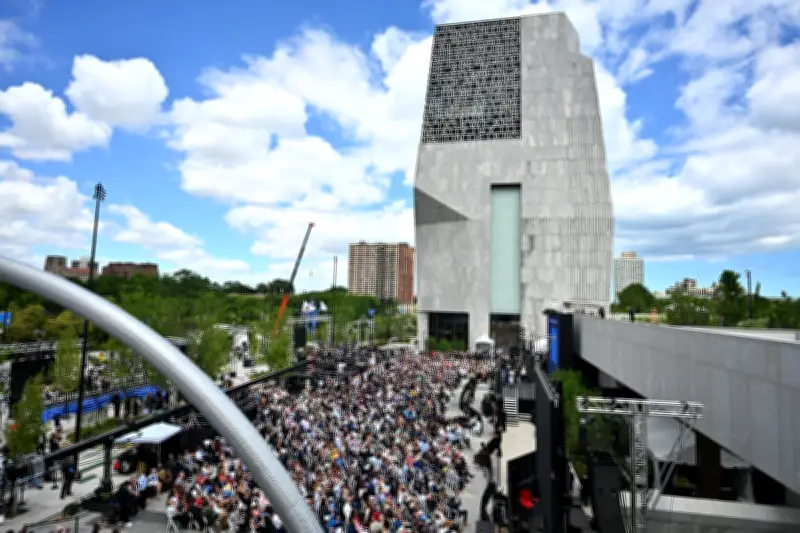
The Obama Presidential Center officially opened on Friday, 19 June 2026, in Chicago's South Side, drawing crowds of visitors to the 19-acre, $850m campus. While the opening stirred pride among many, it also heightened concerns about gentrification, housing affordability, and displacement for longtime residents of Woodlawn, South Shore, and Hyde Park.
Community Tensions and Housing Crisis
Pastor Jeffery Campbell, who has deep ties to Woodlawn, has worked to protect residents from displacement for a decade. He noted that rising rents and university development have squeezed residents, and the Obama Center has exacerbated these pressures. Campbell worked with Barack Obama in the 1980s on community organizing but now differs on affordable housing strategies. He is part of the Obama Community Benefits Agreement Coalition, which sought a signed agreement with the Obama Foundation but was rebuffed.
Between 2000 and 2019, 25% of Black residents left Chicago due to school closures, public housing demolition, overpolicing, and lack of resources. In Woodlawn, 78% of residents are rent-burdened. The University of Chicago's expansion and the Obama Center have accelerated displacement. Dixon Romeo, a lifelong South Shore resident and executive director of Southside Together, highlighted that city ordinances for tenant protections have been passed but not fully implemented. An investigation found that funds for affordable housing programs went unspent.

Campbell observed that the neighborhood once seen as dangerous is now pricing out those who endured its toughest times. He has seen parishioners forced to sell homes due to rising property taxes and maintenance costs. His church is building a 46-unit affordable senior housing project, approved in 2023, to help elderly residents stay.
University Role and Historical Context
The University of Chicago, where Obama taught from 1992 to 2004, has a history of discriminatory racial covenants that limited housing access for African Americans. Davarian Baldwin, a professor at Trinity College, noted that universities buy land when values are low, then benefit from rising property values that displace residents. He criticized Obama for dismissing displacement fears while property values soared.
In South Shore, known as the "eviction capital of Chicago," Romeo experienced the housing crisis personally when his mother fell behind on property taxes after a loved one's death. He joined the coalition after seeing how housing issues affected others. Despite promises from former mayor Rahm Emanuel, affordable housing has not materialized, and rent costs have risen. The median income in Woodlawn is $39,802, making market-rate apartments unaffordable.
Mixed Reactions from Residents
Maurice Palmer, a 54-year-old South Shore resident, expressed excitement about the historic center but noted rent increases and homeowners' anxiety. Short-term rental licenses in the area rose 46% while decreasing citywide. Palmer plans to visit with his children. Marquinn Gibson, a lifelong South Side resident and cafe owner, said the opening is an achievement but stressed the need to protect longtime residents who create community history.
Pastor Campbell summed up the complex feelings: "I have watched the neighborhood go from being a 'gang-infested, you can't let your children walk down the street' area to now being a mixed-racial, mixed-income community that is fast pricing out the people who weathered the storm."