M&S Limescale Remover vs Natural Lemon: A £2.25 Cleaner Wins Hands Down
M&S Cleaner Beats 50p Lemon in Limescale Battle

M&S Limescale Remover vs Natural Lemon: The Ultimate Tap Cleaning Test

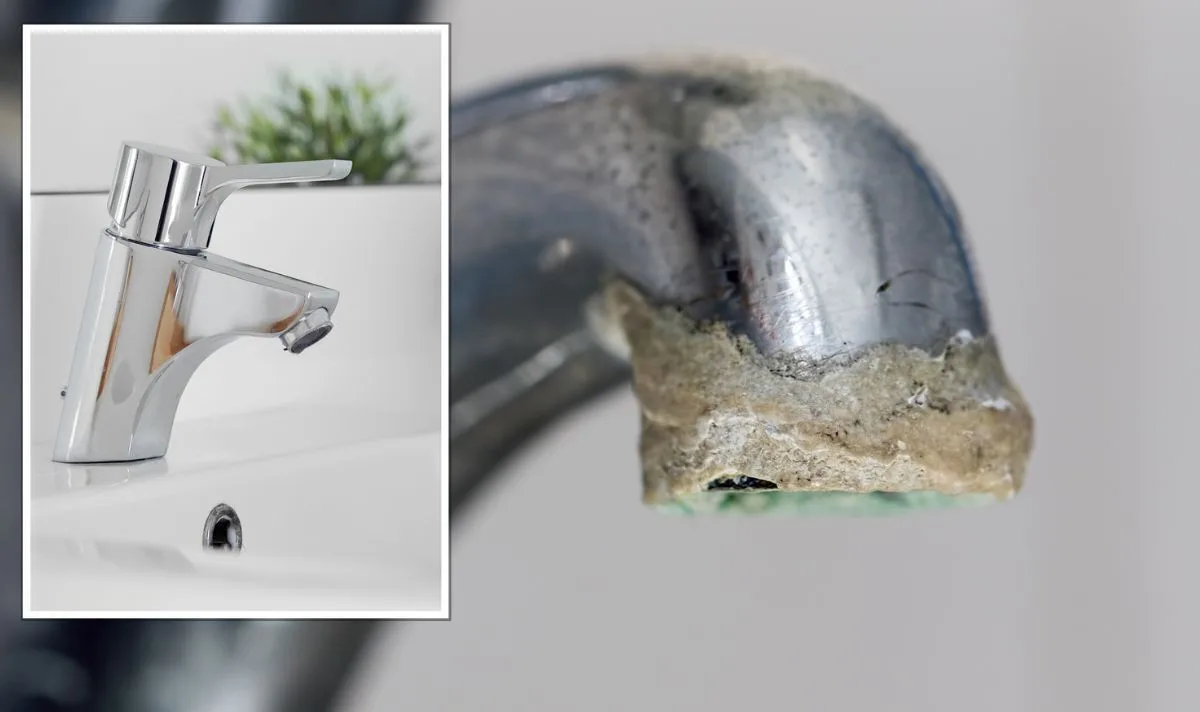
Inspired by the natural cleaning hacks flooding social media platforms, I embarked on a practical experiment to determine the most effective method for banishing stubborn limescale from bathroom and kitchen taps. With taps being used countless times daily, maintaining their cleanliness is crucial to prevent bacteria from spreading throughout the home. Many people merely give their taps a quick wipe during routine cleaning, but this often overlooks the insidious presence of limescale.

The Hidden Menace of Limescale on Taps

Limescale forms when minerals from hard water evaporate, leaving behind cloudy streaks that can easily go unnoticed. Over time, these deposits build up into a tougher residue that not only looks unsightly but also traps harmful germs. This means your hands could remain dirty even after washing, highlighting the importance of tackling limescale proactively. However, cleaning it can be frustrating, as many standard products fail to work, and vigorous scrubbing often leaves the stain intact.

Determined to find a better solution, I visited Marks and Spencer to explore their cleaning range while also scouring social media for natural alternatives to eliminate these persistent stains from my taps.

Wide Pickt banner — collaborative shopping lists app for Telegram, phone mockup with grocery list

What Are the Best Methods for Removing Limescale?

Removing limescale is notoriously annoying because it clings firmly to surfaces and consists of minerals that do not dissolve in soapy water. My research revealed two primary approaches: using an acidic substance like lemon juice or investing in a specialist stain remover. While it might seem unusual to clean with lemons, they contain citric acid, which naturally breaks down limescale deposits and can eliminate them entirely.

This natural technique has gained popularity on platforms like TikTok and Instagram, prompting me to test its efficacy firsthand. I purchased a lemon for 50p from Marks and Spencer, alongside their dedicated limescale remover priced at £2.25. My goal was to ascertain whether natural cleaning methods are superior or if spending a bit more on a supermarket product makes the task simpler and more effective.

Conducting the Cleaning Experiment

I decided to clean my hot tap using the lemon and my cold tap with the M&S limescale remover. For the spray application, I generously coated the cold tap and allowed it to sit for five minutes before wiping it away. The Marks and Spencer cleaner proved highly effective, completely clearing the limescale in a single attempt with just one wipe. My cold tap emerged noticeably more gleaming, appearing as though it had been professionally cleaned, which left me thoroughly impressed with the outcome.

Using the lemon required slightly more effort. I had to cut the fruit and secure it to the hot tap with a hair tie, though an elastic band would work just as well. I also left the lemon in place for five minutes. While bottled lemon juice sprayed directly onto the tap is an option, citric acid performs better when fresher, and buying the whole fruit is more cost-effective. After the allotted time, I removed the lemon and dried the tap with a cloth. It did succeed in eliminating most of the limescale, but I observed that my hot tap still had a few scattered marks that hadn't disappeared.

The Clear Winner in the Limescale Battle

Both cleaning approaches proved highly effective, and I was pleased with the overall results. However, moving forward, I will be sticking exclusively with the Marks and Spencer product. Although it costs more at £2.25, it delivers such impressive results and demands significantly less work than the natural method using lemons.

I also believe I will economise in the long term, as I would need to purchase a lemon each time I wanted to clean my taps, whereas with the cleaner, I can simply store it in my bathroom for future use. This experiment underscores that while natural hacks have their place, sometimes a specialised product offers unmatched convenience and performance for household cleaning tasks.

Pickt after-article banner — collaborative shopping lists app with family illustration