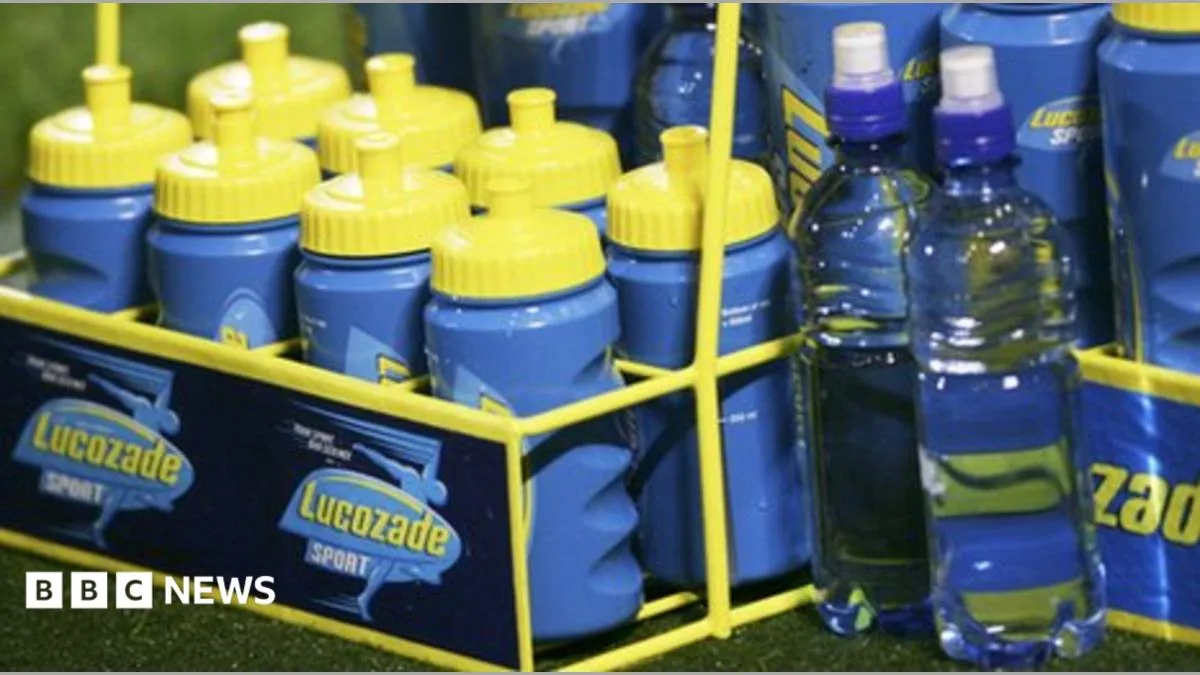
Lucozade's Health Claims Under Scrutiny: Is It Truly Beneficial?
Lucozade's Health Claims: Are They Overstated?

Lucozade's Health Claims Under Expert Scrutiny

For generations, Lucozade has been the quintessential British remedy, transitioning from pharmacy shelves to supermarket fridges as a trusted companion for illness, sport, and even hangovers. Originally marketed in the 1920s as a recovery aid sold exclusively in chemists, this iconic beverage has maintained its reputation as a quick fix for dehydration, fatigue, and low energy. However, as public awareness grows regarding the health risks associated with sugary drinks—including obesity, type 2 diabetes, and dental decay—a critical examination of Lucozade's actual benefits has become imperative.

What Exactly Is in Lucozade?

Lucozade Original consists primarily of carbonated water, glucose syrup (approximately 11%), caffeine, and various flavourings and colourings. It contains electrolytes, mainly sodium listed as salt, at about 0.08g per 100ml, equating to roughly 400mg in a standard 500ml bottle. These electrolytes assist the body in retaining fluid, enhancing water absorption in the gut. However, it is crucial to note that Lucozade Original is formulated primarily as an energy drink, not a high-electrolyte hydration solution like Lucozade Sport, which contains around 500mg of salt per 500ml bottle to replace sweat losses.

The immediate energy boost many experience from Lucozade Original stems from its sugar content—approximately 23g of glucose in a 500ml bottle, rapidly absorbed by the body. Additionally, it includes about 60mg of caffeine, comparable to a small espresso, which can heighten alertness. The drink also incorporates sweeteners such as sucralose or acesulfame K, along with added vitamins like B3 to aid energy release from food.

Wide Pickt banner — collaborative shopping lists app for Telegram, phone mockup with grocery list

Does Lucozade Hydrate Better Than Water?

In specific scenarios, such as after intense sweating or dehydration, drinks containing sugar and electrolytes may slightly improve fluid retention compared to water alone. Yet, for everyday hydration needs, experts assert that water is entirely sufficient. Professor John Young, a hydration expert from Teesside University, emphasises, 'In most situations, water is plenty for our normal bodily functions. We get electrolytes in our diet from the things that we eat. So, a healthy diet plus water should be plenty.'

Electrolytes like sodium, potassium, calcium, and magnesium are abundantly available in everyday foods, including salt, processed items, beans, potatoes, bananas, dairy, nuts, and leafy greens. Consuming these alongside adequate water typically maintains proper hydration without supplemental drinks.

Is Lucozade Effective for Sport and Recovery?

During prolonged or intense exercise lasting over an hour, Lucozade can be beneficial by providing sugar and electrolytes to sustain energy levels and replenish fluids lost through sweat. However, for shorter or less strenuous workouts, it is often unnecessary. Professor Young advises, 'If you do an hour of intense exercise, you need electrolytes, otherwise water or diluted squash is fine.' Regular consumption of sugary sports drinks by casual gym-goers may merely add extra calories—around 190 in a 500ml bottle of Lucozade Original and 135 in Lucozade Sport—without clear advantages.

Lucozade's Role in Illness and Low Blood Sugar

Lucozade gained popularity as a remedy during illness, offering sugar and fluids to maintain energy and hydration when appetite is reduced. Nevertheless, it is not a medical treatment. For severe dehydration from conditions like vomiting or diarrhoea, oral rehydration solutions such as Dioralyte are recommended due to their clinically tested, balanced glucose and electrolyte levels.

In cases of low blood sugar, particularly for individuals with diabetes experiencing hypoglycemia, Lucozade has historically been useful due to its rapidly absorbed glucose. However, since a 2017 reformulation reduced glucose content by 50%, its efficacy has diminished. Diabetes.co.uk notes that hypoglycemic episodes require 15-20g of sugar, and nursing journals have warned that Lucozade may no longer be as effective.

Pickt after-article banner — collaborative shopping lists app with family illustration

Hangover Cure or Myth?

While Lucozade is often touted as a hangover remedy, its benefits are limited. Alcohol-induced dehydration might be marginally alleviated by fluids, sugar, and salt, but hydration alone cannot address hangover causes like inflammation, poor sleep, and alcohol by-products. Professor Young suggests, 'Water with a little pinch of salt is going to do a lot better for you, particularly with a banana—which contains potassium, another electrolyte.' The US National Institute on Alcohol Abuse and Alcoholism states that electrolyte drinks show little evidence of reducing hangover symptoms, as the body typically restores balance naturally.

Dental Health and Electrolyte Alternatives

Frequent consumption of Lucozade poses dental risks, with a 500ml bottle containing about 22g of free sugar—nearly the entire daily recommended limit of 30g. Sugar feeds mouth bacteria, producing acids that erode tooth enamel, especially if sipped regularly.

Although electrolyte drinks and powders have proliferated, experts like registered dietitian Nichola Ludlam-Raine caution that most people obtain sufficient electrolytes from their diet. These products are only necessary during extended exercise, heavy sweating, or illness-related fluid loss. For general hydration, water, milk, and a balanced diet remain optimal.

In summary, while Lucozade holds a nostalgic place in British culture, its health benefits are often overstated for the average person. Moderation and informed choices are key to leveraging its advantages without unnecessary sugar intake.