Fewer than half of rail commuters in Great Britain believe their train fare offers value for money, according to a national passenger survey. The research, conducted by the watchdog Transport Focus, found that only 49% of commuters were satisfied with the cost of their ticket, compared to 67% of leisure travellers who considered it good value.
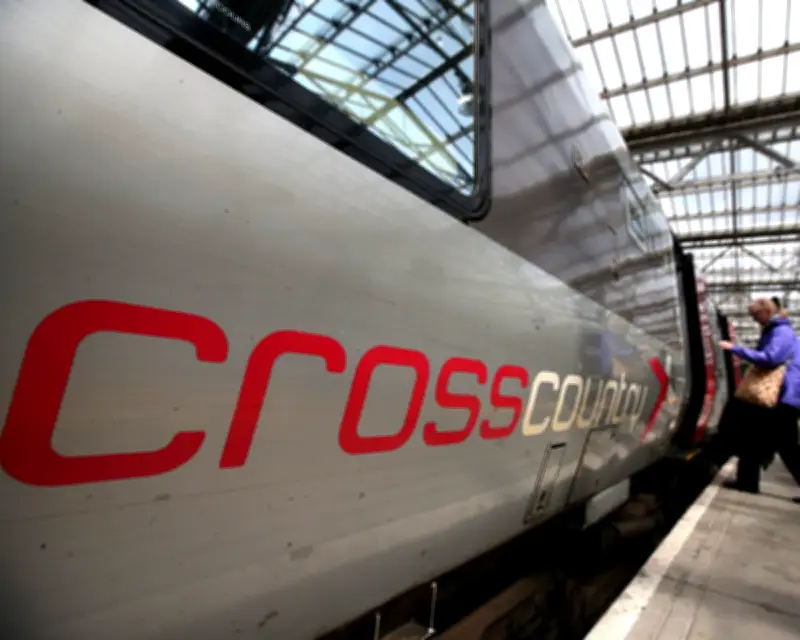
Travellers on the CrossCountry long-distance rail service reported the lowest overall satisfaction levels. The survey, which questioned over 100,000 passengers immediately after their journeys, showed that 87% were satisfied with their overall experience. However, this figure dropped to 79% for CrossCountry customers, with many expressing dissatisfaction over how the operator handled delays.
The findings coincide with a record high in passenger journeys, reaching 1.83 billion in the past year, surpassing pre-pandemic levels for the first time. The Office of Rail and Road (ORR) reported a 6% increase in journeys compared to last year, though about one in seven trips were on the Elizabeth line. The ORR also noted that split ticketing, where longer journeys are divided into segments for cheaper fares, has inflated the figures.
Striking Gap Between Operators
Transport Focus highlighted a "striking gap" between the best and worst performing train operators. Hull Trains passengers were the most satisfied at 94%, followed closely by LNER at 93%, while Lumo was rated best for value for money. Both Hull Trains and Lumo are open access services operated independently by FirstGroup.
Alex Robertson, chief executive of Transport Focus, stated: "These results show that it’s possible for the railway to get it right, but that this isn’t happening consistently enough. The gap between the worst and best performing operators is striking, and it also shows that disabled passengers are experiencing a worse service than everyone else."
He emphasised the impact of delay handling on customer sentiment: "More than nine in 10 people will report a positive experience if a delay is handled well – a remarkably high figure given their train is late – but this falls to one in four when it isn’t. Fixing this is well within the railway’s control and should be a priority."
CrossCountry's Performance and Future
CrossCountry, which operates long-distance trains from southern England to the north and Scotland via Birmingham, has been urged by Transport Focus to improve passenger information during disruptions and address overcrowding. The Arriva-run operator described the results as "disappointing" but acknowledged the need for improvement: "We know we must do more to deliver the service our customers rightly deserve."
CrossCountry is expected to be brought into public ownership next year as part of the government's nationalisation programme. Train operators and Network Rail will be integrated into a new Great British Railways, an arm's-length body reporting to the government.
FirstGroup's chief executive, Graham Sutherland, commented on the success of open access services: "We’ve clearly demonstrated on the east coast mainline that having effective competition there has driven more volumes and more sustainable transport, and brought real value to customers."
Despite the record number of journeys, rail fare revenue totaled £12.3 billion, still £1 billion less than pre-pandemic levels.