

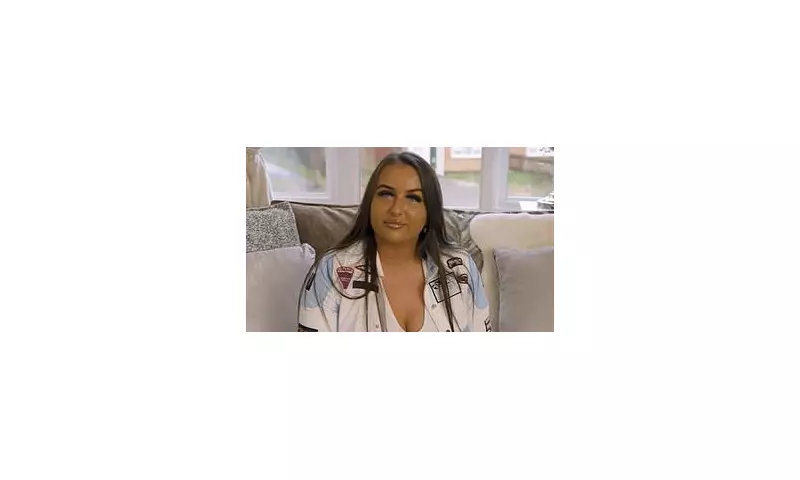
A social media influencer's attempt to raffle a luxury Rolex watch for just £1 per ticket has spectacularly backfired, ending in cancellation, mass refunds, and a storm of online criticism.
The Raffle That Unravelled
Bridgey Barbara, a TikTok creator who describes herself as a 'proud Irish traveller' and boasts around one million followers, announced the competition in November. She promised entrants the chance to win a Rolex GMT-Master, valued at £16,350 on the brand's official website, for a single pound per ticket, with no limit on entries.
However, the plan quickly began to falter. By December, the mother-of-four admitted in a TikTok video that she 'didn't know what she'd gotten herself into'. With only £4,000 raised from ticket sales, she desperately increased the ticket price to £10, pleading with her audience: 'I can't let the watch go if there's not enough tickets.'

Her appeals were compounded by scepticism from some followers who questioned the authenticity of the timepiece. Bridgey vehemently denied these claims, insisting the watch was 'a million per cent authentic' and that the winner could have it verified at a jeweller of their choice.
Collapse, Cancellation, and Cash Prize Pivot
Last week, the England-based influencer was forced to admit defeat. In a Facebook post, she confessed she had 'bit off more than I can chew' and cancelled the raffle because the funds raised did not cover the watch's cost. She promised full refunds to all participants.
In a subsequent twist, Bridgey offered entrants an alternative: instead of a refund, they could remain in a new draw to win the £3,414 pot of cash that had been raised. Followers were given until a Friday deadline to choose their preference, with the final cash prize later reported to be slightly less due to further refund requests.
The episode sparked a mixed reaction online. While some supporters were understanding, others labelled Bridgey a 'scammer' and a 'liar'. She hit back fiercely on social media, stating 'every single penny can be accounted for' and defending her right to respond to public criticism.
A Dangerous Game: The Hidden Risks of Online Raffles
PR and sales expert Chad Teixeira explained to The Daily Mail that such online raffles represent a 'dangerous PR move' fraught with legal and reputational risk. 'The moment money changes hands, you’re dealing with gambling laws, consumer protection rules and advertising standards,' he said, noting many influencers are unprepared for this compliance.
He warned that failed raffles erode consumer trust rapidly, with doubts about prize authenticity spreading quickly online. 'What looks like a "simple" £1 ticket campaign can quickly become a credibility crisis,' Teixeira added.
The incident underscores the strict regulatory landscape. According to Raffaly, a website assisting with online raffles, operations open to the public often require a licence from either a local authority or the Gambling Commission. The Gambling Commission states that free draws and skill-based prize competitions can operate without a licence, but they must meet specific criteria under the Gambling Act 2005. It is unclear whether Bridgey had or required a licence for her Rolex raffle.
This is not the first time an influencer's giveaway has caused controversy. In 2021, the Advertising Standards Authority (ASA) upheld complaints against former Love Island star Molly-Mae Hague, ruling that her £8,000 Instagram giveaway was not administered fairly and the winner was not chosen in accordance with the laws of chance.
Reflecting on her ordeal, Bridgey shared that the pressure to publicly admit failure was 'unreal' and 'genuinely scary', but thanked followers for supportive messages. The debacle serves as a stark lesson in the complexities of influencer-led commerce and the high stakes of seemingly simple online promotions.






